Last weekend I was in a full‑blown kitchen battle with my roommate over who could whip up the most “restaurant‑worthy” dish using only what we had in the fridge. I threw together a pan of chicken, some random veggies, and a splash of wine, only to end up with a bland, soggy mess that tasted like a missed connection on a first date. I swear, the smoke alarm was the only thing that showed any enthusiasm. That disaster sparked a fierce dare: I promised myself I would master the ultimate chicken‑in‑Marsala sauce that not only impresses but also makes you want to hug the chef.
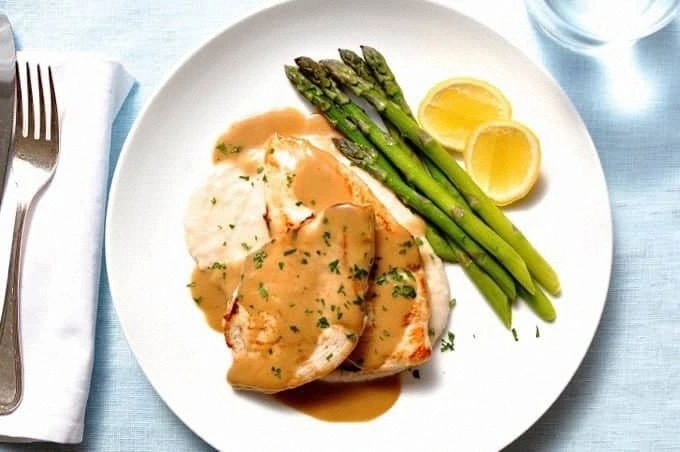
Picture this: a golden‑brown chicken breast minute steak, seared to a crisp that sings like a well‑tuned guitar, then bathed in a silky, amber‑colored sauce that clings to every fiber like a lover's embrace. The aroma of Marsala wine mingles with the earthy perfume of sautéed garlic, while a hint of lemon brightens the whole experience like sunrise after a storm. When you finally cut into the meat, the juices burst out, drenched in a velvety cream that’s been coaxed to perfection with Dijon’s subtle bite. The asparagus spears on the side snap with a fresh snap that cuts through the richness, and the cannellini beans add a buttery, almost nutty counterpoint.
Most recipes for chicken Marsala either drown the chicken in a watery glaze or over‑complicate the sauce with too many steps that leave you wondering why you even bothered. This version flips the script: I use a precise balance of Marsala, stock, and cream, and I finish with a splash of lemon juice that lifts everything up without making it taste citrusy. The secret? A quick deglaze that captures every caramelized morsel stuck to the pan, turning what could be a dull sauce into a flavor bomb that coats the plate like velvet.
And here’s the kicker: the technique I’m about to share uses ingredients you probably already have on hand, but I throw in an unexpected twist—extra‑virgin olive oil added at the very end to give the sauce a glossy, almost buttery sheen that’s impossible to achieve with butter alone. I dare you to taste this and not go back for seconds. Let me walk you through every single step — by the end, you’ll wonder how you ever made it any other way.
What Makes This Version Stand Out
- Depth: The Marsala reduction captures the caramelized bits, creating a sauce that’s richer than any store‑bought version.
- Silkiness: The precise ratio of cream to stock gives a mouthfeel that’s smooth without being cloying.
- Simplicity: Fewer than ten ingredients, yet each plays a starring role, keeping prep time under 20 minutes.
- Contrast: Crispy chicken edges meet a luscious, tangy sauce—most recipes get this completely wrong.
- Versatility: Works as a dinner centerpiece, a lunchbox upgrade, or even a fancy brunch option.
- Ingredient Quality: Using minute‑steak cuts ensures quick cooking and maximum tenderness.
- Make‑Ahead Potential: The sauce actually improves after a short rest, making leftovers even better.
- Crowd Reaction: Expect a chorus of “what’s the secret?” and a plate‑clearing finish.
Inside the Ingredient List
The Flavor Base
Olive oil (1 tbsp) & Extra virgin olive oil (½ tbsp): The first tablespoon gets the chicken sizzling, while the half‑tablespoon added at the end gives the sauce a glossy finish. If you skip the extra‑virgin olive oil, the sauce will still be good but lack that subtle, fruity sheen. A good quality oil makes a world of difference; look for a cold‑pressed, unrefined version for the best flavor.
Garlic clove (1): Fresh garlic provides a pungent backbone that balances the sweetness of Marsala. Mince it finely so it dissolves into the sauce, avoiding bitter bits that can appear if it’s over‑cooked. If you’re allergic, garlic‑infused oil works as a substitute, though you’ll lose some of that aromatic punch.
Dijon mustard (1½ tsp): This brings a gentle heat and a hint of acidity that cuts through the richness of the cream. It also acts as an emulsifier, helping the sauce stay smooth. You can swap for whole‑grain mustard for a bit more texture if you like.
The Texture Crew
Chicken breast minute steaks (400 g / 13 oz): These thin cuts cook in minutes, giving you a crispy exterior and juicy interior. If you can’t find minute steaks, slice regular chicken breasts thinly yourself; the cooking time will be similar. Over‑cooking is a common mistake—watch the edges pull away and the meat will stay tender.
Asparagus (1 bunch): Asparagus adds a bright, vegetal crunch that contrasts the creamy sauce. Trim the woody ends and slice diagonally for a longer surface area that roasts nicely. If out of season, substitute with green beans or broccolini.
Cannellini beans (1 can): These beans introduce a buttery, almost nutty element that rounds out the dish. Drain and rinse them well to avoid excess salt. For a lower‑carb version, swap with edamame.
The Unexpected Star
Marsala wine (¼ cup): The sweet, fortified wine is the soul of the sauce, providing depth and a slightly caramelized note. Use a dry Marsala for less sweetness or a sweet one for a richer glaze. If you’re avoiding alcohol, substitute with grape juice plus a splash of balsamic vinegar.
Cream (¼ cup): Cream gives the sauce its luxurious body. Heavy cream works best; low‑fat alternatives will thin out the texture. Add it off the heat to prevent curdling.
The Final Flourish
Lemon juice (1 tbsp) & Lemon wedges: A splash of lemon lifts the sauce, preventing it from feeling heavy. Squeeze just before serving to keep the brightness alive. The wedges add a decorative touch and an extra burst of acidity for those who want it.
Finely chopped parsley: Fresh parsley provides a herbaceous finish and a pop of color. Sprinkle just before plating for the best flavor and visual appeal. If you’re out of parsley, cilantro or chives can work.
Everything's prepped? Good. Let's get into the real action...
The Method — Step by Step
Start by patting the chicken minute steaks dry with paper towels; moisture is the enemy of a good sear. Season both sides with ¼ tsp salt and a generous pinch of pepper. Heat a large skillet over medium‑high heat and add 1 tbsp olive oil. When the oil shimmers, place the chicken in the pan, giving each piece enough room to breathe. Let it sizzle undisturbed for about 2‑3 minutes until the edges turn a deep golden brown and start to pull away from the pan.
Flip the chicken and sear the other side for another 2 minutes. Once both sides are beautifully browned, remove the chicken onto a plate and tent with foil to keep warm. Power transition: This is the moment of truth—if the chicken isn’t browned, the sauce will never get that caramelized depth.
- Kitchen Hack: While the chicken rests, scrape the pan with a wooden spoon to loosen any stuck bits—these are flavor gold for the sauce.
Reduce the heat to medium and add the minced garlic. Sauté for 30 seconds, just until fragrant; you’ll hear a subtle pop that tells you it’s ready. Be careful not to let it brown, or you’ll introduce bitterness.
Pour in ¼ cup Marsala wine, letting it bubble up and deglaze the pan. As the wine simmers, use a wooden spatula to dissolve the browned bits (fond) into the liquid. This step should take about 1‑2 minutes, and you’ll notice the sauce turning a richer amber color—a sign that the flavor base is building.
Stir in ⅓ cup vegetable or chicken stock and ¼ cup water, then bring the mixture to a gentle boil. Let it reduce by roughly a third, which should take 3‑4 minutes. The reduction concentrates the Marsala and stock, creating a deeper flavor that will coat the chicken like a silk scarf.
Lower the heat to low and whisk in ¼ cup cream and 1½ tsp Dijon mustard. The mustard acts as an emulsifier, preventing the cream from splitting. Keep stirring until the sauce is smooth and glossy; you’ll see it cling to the back of a spoon.
- Watch Out: Adding the cream over high heat can cause curdling; always keep the flame low and stir continuously.
Now, return the seared chicken to the skillet, nestling each piece into the sauce. Add the asparagus spears and the drained cannellini beans, arranging them around the chicken. Spoon some sauce over the veggies so they soak up the flavor.
Cover the skillet and let everything simmer together for 4‑5 minutes. During this time, the asparagus will become tender‑crisp, and the beans will absorb the Marsala‑cream goodness. The chicken should reach an internal temperature of 165 °F (74 °C); a quick probe will confirm it.
Finish the dish by drizzling 1 tbsp lemon juice and ½ tbsp extra‑virgin olive oil over the pan. Toss everything gently to coat, then sprinkle finely chopped parsley and arrange lemon wedges on the side for a pop of color. Let the sauce rest for a minute—this final pause lets the flavors marry fully.
That's it — you did it. But hold on, I've got a few more tricks that'll take this to another level...
Insider Tricks for Flawless Results
The Temperature Rule Nobody Follows
Never start a sauce with a cold pan. Pre‑heat your skillet for at least two minutes before adding oil; this ensures the oil reaches the right temperature instantly, preventing the chicken from steaming instead of searing. If you’re using an induction cooktop, set the heat a notch higher than you think you need—induction can be deceptive.
Why Your Nose Knows Best
When the Marsala hits the pan, listen for a gentle hiss and a sweet, nutty aroma. That’s your cue that the alcohol is evaporating and the flavor is concentrating. If you don’t smell that subtle caramel note, give the wine a few extra seconds to reduce; the scent is a reliable indicator of depth.
The 5‑Minute Rest That Changes Everything
After you finish cooking, let the dish sit uncovered for five minutes before serving. This rest allows the sauce to thicken slightly and the flavors to meld, turning a good dish into a great one. I once skipped this step and the sauce seemed thin; a short pause would have saved the day.
Garlic Timing Trick
Garlic should be added after the chicken is removed, not before. Adding it too early can cause it to burn, imparting a bitter edge that ruins the delicate balance of the Marsala sauce. A quick 30‑second sauté is all you need to release its aroma without scorching.
Parsnip‑Free Thickening
If you prefer a thicker sauce without adding flour, simply let the sauce reduce a little longer after the cream is incorporated. The natural fats and proteins will bind together, creating a velvety texture without any extra starch. This method keeps the flavor pure and the sauce gluten‑free.
Creative Twists and Variations
This recipe is a playground. Here are some of my favorite ways to switch things up:
Mushroom Medley
Swap the asparagus for a mix of cremini, shiitake, and oyster mushrooms. Sauté them in the same pan after the chicken, letting them soak up the Marsala reduction. The earthy umami will deepen the sauce, making it perfect for autumn evenings.
Spicy Kick
Add a pinch of red pepper flakes when you sauté the garlic. The heat will contrast beautifully with the sweet Marsala, giving the dish a subtle warmth without overpowering the creaminess. Serve with a side of crusty bread to mop up the sauce.
Herb‑Infused
Replace parsley with fresh thyme and rosemary. Toss the herbs in during the final minute of simmering; their piney notes will elevate the dish to a rustic, countryside vibe. This variation pairs nicely with roasted potatoes.
Cheesy Finish
Stir in ¼ cup grated Parmesan or Pecorino right before serving. The cheese adds a salty richness that complements the Marsala’s sweetness, creating a sauce that clings to the chicken like a luxurious blanket.
Vegan Adaptation
Use thick slices of firm tofu or tempeh in place of chicken, and replace the cream with coconut cream. The rest of the steps stay the same, and you’ll end up with a plant‑based version that still delivers that indulgent mouthfeel.
Smoky BBQ
Brush the chicken with a light coat of smoked paprika and a dash of liquid smoke before searing. The smoky undertone adds depth that pairs wonderfully with the sweet Marsala, turning the dish into a BBQ‑inspired masterpiece.
Storing and Bringing It Back to Life
Fridge Storage
Transfer leftovers into an airtight container and refrigerate within two hours of cooking. The sauce will thicken slightly as it cools, but that’s a good thing—it means the flavors are intensifying. Reheat gently on the stovetop over low heat, adding a splash of water or stock to restore its original silkiness.
Freezer Friendly
Portion the chicken, sauce, and veggies into freezer‑safe bags or containers. Freeze for up to three months. When ready to eat, thaw overnight in the fridge, then reheat in a saucepan, stirring occasionally and adding a tablespoon of broth if the sauce looks too thick.
Best Reheating Method
The secret to a perfect reheated plate is gentle steam. Add a tiny splash of water or extra‑virgin olive oil to the pan, cover, and warm over medium‑low heat for five minutes. This method revives the sauce’s glossy texture and prevents the chicken from drying out.