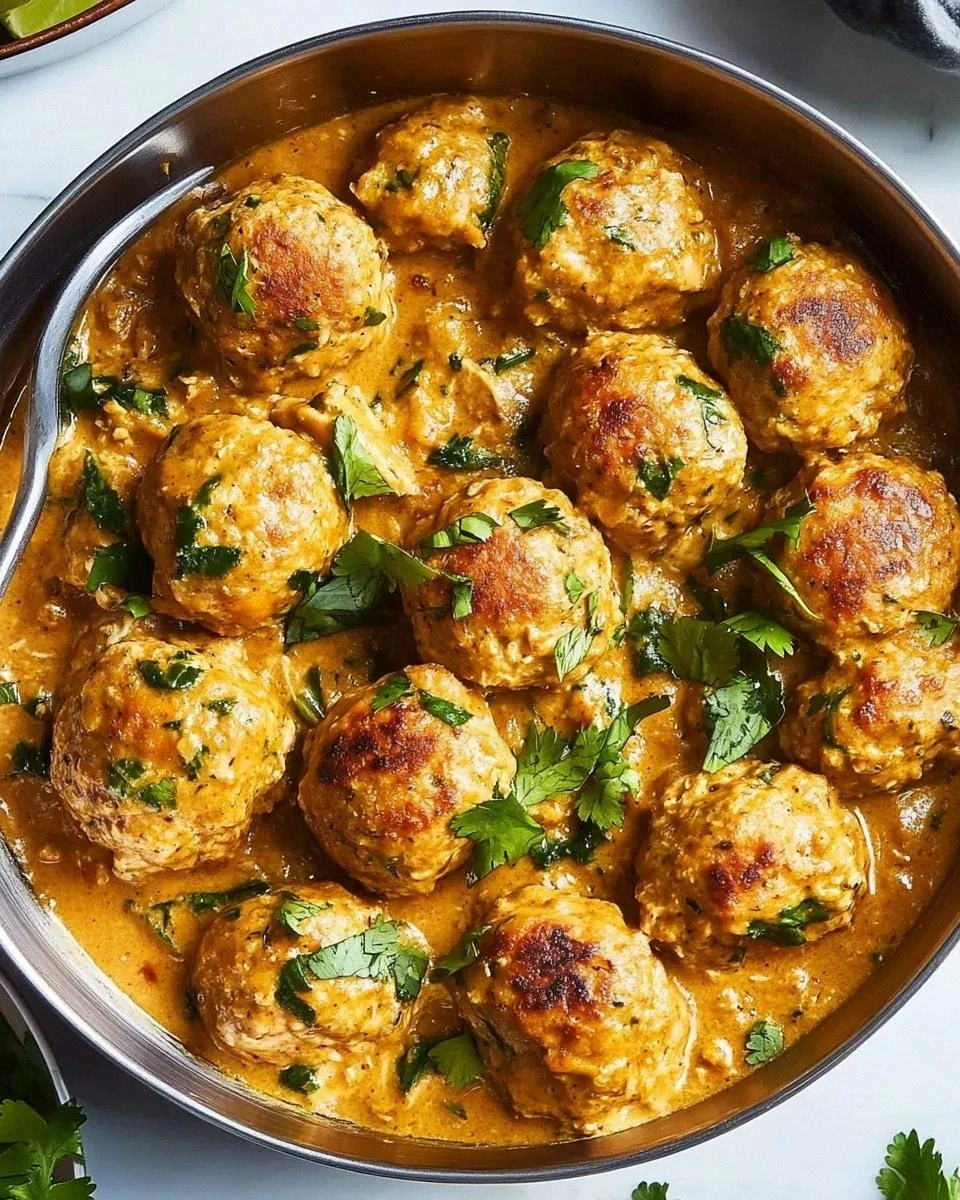
Picture this: it's Tuesday night, your stomach is growling like an angry bear, and you're staring at yet another pack of chicken thighs wondering how to make dinner exciting again. Been there? I lived there for months. Then one rainy evening, armed with a can of coconut milk that had been judging me from the pantry for weeks, I decided to throw caution to the wind and create something magical. What happened next was nothing short of kitchen alchemy — tender chicken meatballs swimming in a luxurious coconut curry sauce that made my neighbors knock on my door asking what smelled so incredible. This isn't just another meatball recipe; this is the dish that'll make you fall in love with cooking all over again.
I've made these coconut curry chicken meatballs over fifty times now, tweaking and perfecting every single element until they hit that sweet spot of restaurant-quality flavor with home-cooking simplicity. The first time I served them to my spice-averse friend, she literally licked her plate clean and asked for the recipe on the spot. My Indian neighbor swears they're better than her grandmother's version (though she'd never admit it publicly). Even my kids, who think anything green is poison, devour these without complaint. The secret? It's all in the balance — the way the aromatic curry paste blooms in the coconut milk, how the meatballs stay impossibly tender, and that final squeeze of lime that makes everything sing.
Here's what you're about to experience: chicken meatballs so moist they practically melt on your tongue, swimming in a sauce that's creamy yet bright, spicy yet soothing, complex yet totally approachable. The sauce coats each meatball like liquid velvet, carrying hints of lemongrass, ginger, and just enough heat to make things interesting without sending you running for milk. Trust me when I say this will become your new weeknight superhero — ready in under 45 minutes, made with pantry staples, and impressive enough for date night. I've served these over rice, noodles, cauliflower rice, and once (in a moment of desperation) over tortilla chips. They work everywhere.
Ready for the game-changer? We're using a technique that keeps the meatballs from turning into hockey pucks, a curry paste trick that intensifies flavor without extra work, and a finishing touch that'll have everyone asking for your secret. Let me walk you through every single step — by the end, you'll wonder how you ever made it any other way.
What Makes This Version Stand Out
Velvet Meatballs: Forget everything you know about dry, dense chicken meatballs. We're using a panade technique (fancy word for bread soaked in milk) that creates a texture so tender, it's like eating chicken clouds. The breadcrumbs absorb moisture and release it slowly during cooking, ensuring every bite stays juicy even after simmering in the sauce.
Layered Curry Magic: Most recipes dump everything in at once and hope for the best. Not here. We bloom the curry paste first, awakening those dormant spices, then build layers of flavor like a culinary skyscraper. The result? Depth that tastes like it's been simmering for hours, not minutes.
One-Pan Wonder: Everything happens in a single skillet, which means fewer dishes and more flavor. Those browned bits left from searing the meatballs? That's liquid gold that becomes part of the sauce, giving it a richness you can't fake.
Restaurant Quality, Home Easy: I've stolen techniques from professional kitchens — like chilling the meatballs before cooking (prevents falling apart) and finishing with coconut cream (adds luxurious mouthfeel) — but simplified them so anyone can nail it on the first try.
Meal Prep Champion: These meatballs actually taste better the next day as the flavors marry and intensify. Make a double batch on Sunday, and you've got lunches that'll make your coworkers jealous all week. They freeze beautifully too, so you're never more than 10 minutes away from an incredible meal.
Crowd-Pleasing Heat: The spice level hits that perfect middle ground — present enough to wake up your taste buds but gentle enough for sensitive palates. Kids love it, spice enthusiasts can add extra chili, and everyone leaves happy.
Pantry Hero Recipe: No exotic ingredients requiring a special grocery trip. Everything comes from your local store, and most items probably live in your kitchen right now. The one "special" ingredient (red curry paste) keeps for months in the fridge and transforms countless dishes.
Alright, let's break down exactly what goes into this masterpiece...
Inside the Ingredient List
The Flavor Base
Ground chicken forms the heart of our meatballs, but not all ground chicken is created equal. Skip the ultra-lean breast-only stuff — it dries out faster than a desert creek. Look for ground chicken that includes some thigh meat, or better yet, ask your butcher to grind a mix. The extra fat keeps things moist and carries flavor like you wouldn't believe. If you can only find breast, don't panic — we're adding richness through other means.
Red curry paste is the soul of this dish, and quality matters enormously. I've tested every brand on the market, and Mae Ploy or Thai Kitchen deliver the most authentic flavor. Don't you dare substitute curry powder — it's like swapping a symphony for a kazoo. The paste contains lemongrass, galangal, garlic, shallots, and chilies already perfectly balanced. One tablespoon gives gentle warmth, two brings legitimate heat, so adjust based on your crowd.
Coconut milk isn't just for creaminess — it's your sauce's backbone. Full-fat is non-negotiable; the light stuff breaks and tastes watery. Shake the can vigorously before opening, or warm it slightly and whisk to reincorporate if it's separated. The fat carries all those lovely spice compounds that don't dissolve in water, creating a sauce that actually tastes like something. Save a few tablespoons of the thick cream from the top for finishing — it's like culinary fairy dust.
The Texture Crew
Panko breadcrumbs are my secret weapon for the fluffiest meatballs. Their larger, flakier structure creates air pockets that regular breadcrumbs can't match. Don't have panko? Make your own by pulsing white bread into coarse crumbs and toasting them lightly. The key is not overmixing — treat the meat like you would a first date: gentle and respectful.
Fish sauce might sound scary, but it's the umami bomb that makes these meatballs taste mysteriously amazing. You won't detect fishiness; it just adds depth and savoriness that salt alone can't achieve. Start with one teaspoon if you're nervous, but two is where the magic happens. Vegetarian? Sub with soy sauce, but know you're missing the secret handshake.
Egg acts as the binding agent, keeping our meatballs from crumbling into meat sauce. Room temperature egg incorporates more easily — just let it sit on the counter while you prep everything else. Don't overdo it; one egg is plenty for this amount of meat. Too much egg makes meatballs rubbery, and nobody wants to eat bouncy balls.
The Unexpected Star
Lime zest and juice added at the end brightens everything up like turning on lights after a movie. The zest contains essential oils that provide floral notes, while the juice gives that necessary acid to balance the rich coconut milk. Don't add it during cooking — heat destroys the volatile compounds that make it magical. A microplane makes zesting effortless, but watch your fingers on those tiny holes.
Cilantro might be controversial, but here it's essential for that fresh, green note that cuts through richness. If you're one of those genetic unfortunates who thinks cilantro tastes like soap, substitute Thai basil or mint. Add it right before serving so it stays vibrant and doesn't wilt into sad green flecks. The stems actually have more flavor than the leaves, so chop those up too.
The Final Flourish
Brown sugar might seem odd here, but a teaspoon balances the heat and brings out the natural sweetness in coconut milk. It's like the supporting actor who makes the star shine brighter. You could use palm sugar or even honey, but brown sugar dissolves instantly and adds a subtle molasses note. Don't skip it — your taste buds will notice something's missing even if your brain can't identify what.
Coconut oil for searing adds another layer of coconut flavor while preventing sticking. Its high smoke point means you get beautiful browning without burning. If you don't have it, any neutral oil works, but you'll miss that extra coconut whisper. Save the expensive virgin coconut oil for finishing; refined works perfectly for cooking.
Everything's prepped? Good. Let's get into the real action...
The Method — Step by Step
- Start by making your panade — this is where most people mess up and end up with dry meatballs. In a small bowl, combine your panko with 3 tablespoons of coconut milk and let it sit for 5 minutes until it becomes a mushy paste. This pre-hydration step ensures your breadcrumbs don't steal moisture from the chicken later. The mixture should look like wet sand and feel squishy between your fingers. If it's too dry, add a splash more coconut milk; too wet, add a pinch more panko.
- Now for the meatball mixture — and remember, we're treating this like a delicate flower, not tough cookie dough. In a large bowl, gently combine your ground chicken, soaked panko, egg, fish sauce, 1 tablespoon of curry paste, minced garlic, and a pinch of salt. Use your fingertips, not your palms, and mix just until everything comes together. Overmixing activates proteins that turn meatballs into rubber balls. The mixture will feel soft and slightly sticky — that's perfect. Cover and refrigerate for 15 minutes while you prep the sauce ingredients.
- Time to roll — and here's my trick for uniform meatballs without the fuss. Lightly oil your hands (this prevents sticking) and use a small cookie scoop or tablespoon to portion. Roll gently between your palms just until they hold together; don't compress them into golf balls. You should get about 20 meatballs from this batch. Place them on a parchment-lined plate and pop them in the freezer for 10 minutes while you heat the pan. This chilling step is crucial — it sets the proteins so they don't fall apart during searing.
- Heat a large, heavy-bottomed skillet over medium-high heat and add coconut oil. You want it hot enough that a meatball sizzles enthusiastically when it hits the pan, but not so hot that the oil smokes. Working in batches (don't crowd them!), sear the meatballs until golden brown on all sides, about 2 minutes per side. They don't need to be cooked through — we're building flavor here. Those brown bits on the bottom? That's pure gold we'll scrape up later. Remove meatballs to a plate and lower heat to medium.
- Now for the sauce — this is where the magic happens. In the same pan (don't you dare wash it!), add another teaspoon of coconut oil if needed, then sauté your remaining curry paste for 30 seconds until fragrant. Your kitchen should smell like a Thai street market. Pour in the coconut milk while scraping up those browned bits with a wooden spoon. Add the brown sugar, a pinch of salt, and bring to a gentle simmer. The sauce will start to thicken and turn a beautiful golden color.
- Gently nestle your meatballs back into the sauce — they should be mostly submerged but peeking out a bit. Cover and simmer gently for 12-15 minutes until the meatballs are cooked through (165°F if you're using a thermometer). Don't let it boil vigorously or your sauce will break and the meatballs will toughen. While it simmers, the sauce reduces and concentrates, coating each meatball in velvety goodness. Your kitchen will smell so good you might attract neighbors.
- Uncover and let the sauce reduce for another 2-3 minutes until it coats the back of a spoon. If it gets too thick, thin with a splash of water or chicken broth. If too thin, simmer uncovered for a minute more. Taste and adjust seasoning — you might want more fish sauce for saltiness, a pinch more sugar for balance, or another teaspoon of curry paste for heat. Remember, you're looking for a harmonious balance of creamy, spicy, salty, and slightly sweet.
- Remove from heat and stir in lime juice and half the cilantro. The lime juice brightens everything and adds that necessary acid to cut through richness. Let it rest for 5 minutes — this allows the sauce to thicken slightly and the flavors to meld. Serve over jasmine rice, cauliflower rice, or rice noodles, spooning extra sauce over the top. Garnish with remaining cilantro and lime wedges on the side. I dare you to taste this and not go back for seconds.
- That's it — you did it. But hold on, I've got a few more tricks that'll take this to another level...
Insider Tricks for Flawless Results
The Temperature Rule Nobody Follows
Here's the thing about ground chicken — it's leaner than beef or pork, which means it needs gentler handling. Start with cold chicken straight from the fridge, work quickly, and keep everything cold until cooking. Warm meat releases proteins that make meatballs tough and rubbery. I even chill my mixing bowl in the freezer for 10 minutes before starting. After rolling, those meatballs go back in the fridge while I heat the pan. Cold meat hitting hot fat creates a protective crust that seals in juices. Skip this step and you'll end up with flat, sad meatballs that leak their precious moisture everywhere.
Why Your Nose Knows Best
Forget timers — your nose is the best kitchen tool you own. When the curry paste hits the hot oil, it should smell intensely fragrant within 30 seconds. If you don't get that aromatic punch, your paste is stale and you need a new jar. Same with the coconut milk — it should smell sweet and tropical, not sour or metallic. Trust your instincts here; if something smells off, it probably is. I've saved countless dishes by trusting my nose over what the recipe said. That moment when the sauce comes together and fills your kitchen with the scent of lemongrass and coconut? That's when you know you're on the right track.
The 5-Minute Rest That Changes Everything
I'll be honest — I ate half the batch before anyone else got to try it the first time I made these. But here's what I learned: letting the finished dish rest for 5 minutes off heat transforms it from good to legendary. During this time, the sauce thickens slightly as it cools, the meatballs reabsorb some of the liquid keeping them moist, and the flavors meld into something greater than their parts. Cover the pan loosely with a lid — don't seal it completely or condensation will water down your perfect sauce. Use this time to set the table, pour yourself a drink, and prepare for the compliments about to come your way.
The Portion Control Secret
Most recipes get this completely wrong. They tell you to make giant golf ball-sized meatballs, but here's what actually works: smaller, cocktail-sized meatballs. They cook more evenly, stay tender, and you get more surface area for that incredible sauce to cling to. Use a small cookie scoop or heaping tablespoon — you want them about 1.25 inches across. Plus, they're perfect for parties, meal prep, or when you want to feel like you're eating more (twenty small meatballs feels more indulgent than eight large ones). A friend tried making them tennis-ball sized once, and let's just say it didn't end well — raw centers and burnt exteriors are nobody's friend.
Creative Twists and Variations
This recipe is a playground. Here are some of my favorite ways to switch things up:
Green Curry Coconut Chicken Meatballs
Swap the red curry paste for green and add a handful of Thai basil instead of cilantro. Green curry brings more herbaceous notes and slightly less heat, perfect for those who find red curry too spicy. Add some diced zucchini to the sauce during the last 5 minutes of cooking — it soaks up the flavors beautifully. This version tastes like spring in a bowl, bright and fresh with layers of flavor that dance on your tongue. Kids particularly love this milder version, and you can always add chili oil at the table for heat seekers.
Tropical Paradise Meatballs
Add one diced ripe mango to the sauce during the last 3 minutes of cooking for a sweet contrast to the spicy curry. The mango melts slightly, creating little pockets of sweetness that burst in your mouth. Top with toasted coconut flakes and serve over coconut rice for a tropical experience that'll transport you straight to a beach in Thailand. I make this version when I need a mental vacation during gray winter months. The combination of spicy, sweet, and creamy is absolutely addictive — I dare you to stop at one serving.
Vegetarian Lentil Coconut "Meatballs"
Replace chicken with a mixture of cooked green lentils, finely chopped mushrooms, and panko. The umami from mushrooms makes up for the missing meat, while lentils provide protein and that satisfying texture. Use vegetarian fish sauce (made from seaweed) or extra soy sauce. These actually hold together better than meat versions and develop incredible flavor as they simmer. Even my carnivore husband requests these regularly — they're that good. The lentils absorb the curry sauce like tiny flavor sponges.
Fire-Eater's Dream
For those who think they can handle heat, add 1-2 bird's eye chilies minced finely to the meatball mixture, and another to the sauce. Replace half the coconut milk with coconut cream for extra richness to balance the heat. Stir in a teaspoon of chili crisp oil at the end for that addictive spicy crunch. I make this version for my spice-loving friends, and it never fails to clear sinuses and generate happy tears. Serve with cucumber slices to cool things down between bites.
Mediterranean Fusion Meatballs
This sounds crazy, but hear me out: use the same technique but swap curry paste for harissa paste, add cumin and coriander to the meatballs, and finish with preserved lemon instead of lime. The result is a magical fusion that works shockingly well — creamy coconut sauce meets North African spices in a match made in heaven. Add some chickpeas to the sauce for extra substance. I discovered this by accident when I ran out of curry paste, and now it's one of my most-requested variations.
Breakfast-for-Dinner Meatballs
Add a tablespoon of maple syrup to the sauce and serve these over waffles or pancakes. I know it sounds insane, but the sweet-savory-spicy combination is absolutely incredible. The waffles soak up the sauce like edible plates, and a fried egg on top takes it to legendary status. My teenager invented this variation, and honestly? It's genius. Perfect for those nights when you can't decide between breakfast and dinner.
Storing and Bringing It Back to Life
Fridge Storage
These meatballs are meal prep gold — they actually improve after a night in the fridge as the flavors meld and deepen. Store them in an airtight container with the sauce covering the meatballs completely (this prevents them from drying out). They'll keep for up to 4 days, though mine never last that long. Pro tip: use a container that's just big enough — too much air space leads to faster spoilage and that sad dried-out layer on top. If you're storing without sauce, brush the meatballs with a little coconut milk first to keep them moist.
Freezer Friendly
These freeze beautifully, making them perfect for emergency delicious dinners. Freeze the meatballs and sauce together in portion-sized containers — think single-serve for quick lunches or family-size for easy dinners. Leave a little headspace as liquids expand when frozen. They'll keep for up to 3 months, though I guarantee you'll eat them sooner. Thaw overnight in the fridge, never on the counter (food safety, people!). The sauce might look separated after thawing, but a gentle reheat with a splash of coconut milk brings it right back together.
Best Reheating Method
The microwave works in a pinch, but for best results, reheat gently on the stovetop. Add a splash of water or coconut milk to loosen the sauce — it'll likely have thickened in the fridge. Warm over medium-low heat, stirring occasionally, until just heated through. Don't boil or you'll toughen the meatballs. If you're in a rush, microwave at 70% power in 30-second bursts, stirring between each. Add a fresh squeeze of lime and sprinkle of cilantro after reheating to brighten everything up. Picture yourself pulling this out of the oven, the whole kitchen smelling incredible, and settling in for a meal that's somehow even better than the first time.