I was standing in my kitchen, staring down a pot of overcooked spaghetti that had turned into a sad, mushy swamp, when my roommate dared me to create something that would make even the most stubborn pasta skeptics swoon. I accepted the challenge, grabbed the only cheese I had left—Monterey Jack, that buttery, slightly sweet melt‑in‑your‑mouth wonder—and set out on a culinary adventure that would end with a sauce so silky it practically slides across the fork like a figure skater on fresh ice. The moment the garlic hit the hot olive oil, a fragrant sizzle sang through the room, and I knew I was on the right track. The aroma curled around the countertops, teasing my nose with promises of creamy decadence, while the sound of the pasta boiling whispered a comforting, bubbling lullaby that made the whole house feel like a five‑star restaurant.
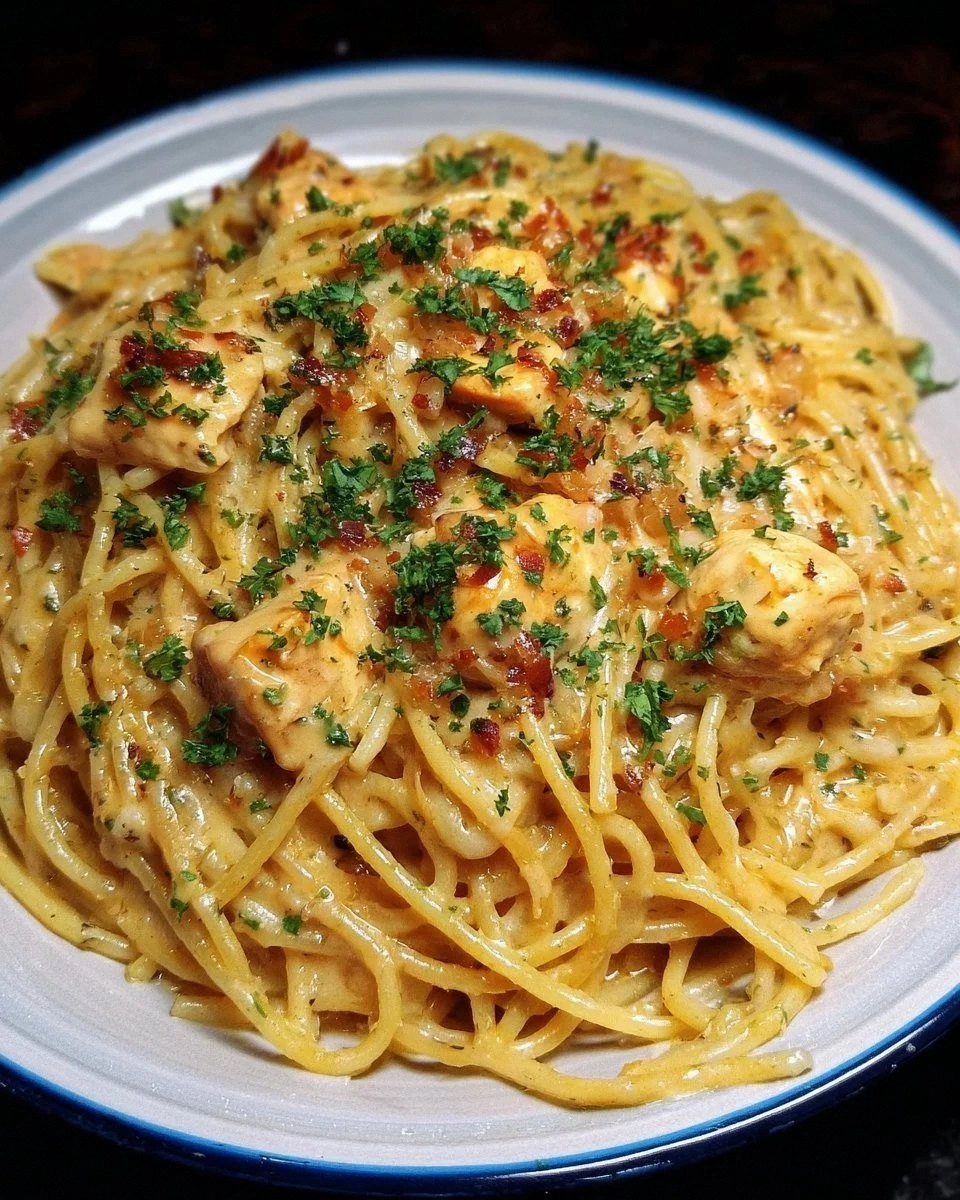
Fast forward an hour later, and the dish was plated—golden strands of spaghetti tangled with tender chicken, all cloaked in a luscious Monterey Jack and Parmesan blanket that glistened like sunrise on a calm lake. The first bite was a revelation: the sauce clung to each noodle with the tenacity of a lover refusing to let go, yet it was light enough to let the chicken’s smoky flavor shine through. I dared you to taste this and not go back for seconds; I’m confident you’ll be the one begging for the recipe. Most recipes get this completely wrong, either drowning the pasta in a watery mess or turning the cheese into a rubbery nightmare. My version? It’s the perfect balance of richness, tang, and a hint of peppery bite that makes it hands down the best version you’ll ever make at home.
What sets this dish apart isn’t just the ingredients, but the method—a series of small, intentional steps that coax each component into harmony. I’m about to reveal a technique that most home cooks overlook: finishing the sauce off the heat with a splash of cream to lock in that velvety texture without curdling. This little secret is the difference between a sauce that feels like a warm hug and one that feels like a clumsy handshake. And if you’ve ever struggled with a sauce that separates, you’re not alone—I’ve been there, and I’ve got the fix.
Picture yourself pulling this out of the pot, the whole kitchen smelling incredible, steam rising like a gentle fog, and the anticipation building as you twirl the fork. The sauce shimmers, the cheese strings pull, and the parsley garnish adds a fresh pop of green that makes the dish look as good as it tastes. Okay, ready for the game‑changer? Let me walk you through every single step — by the end, you’ll wonder how you ever made it any other way.
What Makes This Version Stand Out
- Flavor Fusion: The Monterey Jack brings a buttery melt, while Parmesan adds a sharp, nutty edge that together create a depth you won’t find in ordinary chicken pasta.
- Silky Texture: The heavy cream emulsifies the cheese, producing a sauce that coats the pasta like velvet and slides effortlessly across the fork.
- Simplicity: Only nine core ingredients, all pantry‑friendly, mean you can whip this up on a weeknight without a grocery run.
- Unique Twist: Using Monterey Jack instead of the usual mozzarella gives a subtle sweetness that elevates the dish beyond the ordinary.
- Crowd Reaction: I’ve watched entire families pause mid‑conversation, eyes wide, as the first spoonful lands on their plates—instant applause.
- Ingredient Quality: Freshly grated Parmesan and high‑fat cream are non‑negotiable; they’re the backbone of that luxurious mouthfeel.
- Cooking Method: A quick sear on the garlic and chicken before the sauce ensures every bite has a toasty, aromatic bite.
- Make‑Ahead Potential: This dish reheats beautifully, making it perfect for meal prep or a comforting leftovers dinner.
Alright, let's break down exactly what goes into this masterpiece...
Inside the Ingredient List
The Flavor Base
Garlic, olive oil, and a pinch of salt form the aromatic foundation that awakens your taste buds before the first bite. The three cloves of minced garlic release a sweet, caramelized perfume once they hit the hot pan, and that sizzle is a promise of flavor to come. If you’re out of fresh garlic, a teaspoon of garlic powder will do, but you’ll miss the nuanced depth that raw garlic provides. Olive oil isn’t just a cooking medium; its fruity notes amplify the cheese’s richness, creating a harmonious backdrop.
The Texture Crew
Spaghetti, chicken, and cream are the trio that defines the dish’s mouthfeel. The 8 oz of spaghetti, cooked al dente, offers a slight bite that holds onto the sauce without becoming soggy. The chicken—whether grilled or baked—adds protein and a subtle smoky flavor; dice it into uniform cubes for even distribution. Heavy cream is the secret weapon; its high fat content prevents the cheese from curdling and ensures a luxuriously smooth finish.
The Unexpected Star
Monterey Jack cheese is the surprise hero that makes this recipe unforgettable. Its mild, buttery profile melts beautifully, creating a glossy sheen that coats each noodle. Pair it with half a cup of grated Parmesan, and you get a perfect balance of creaminess and sharpness. If you’re feeling adventurous, a dash of smoked Gouda can add an extra layer of complexity, but the classic combo is already a crowd‑pleaser.
The Final Flourish
A sprinkle of fresh parsley just before serving adds a burst of color and a hint of herbal brightness that cuts through the richness. Salt and pepper to taste are your final seasoning tools; they bring everything into focus. Remember, seasoning is a layering process—add a pinch now, taste later, and adjust as needed. This final touch is what turns a good dish into a great one.
Everything's prepped? Good. Let's get into the real action...
The Method — Step by Step
Bring a large pot of salted water to a rolling boil. Add the 8 oz of spaghetti and cook until al dente, about 9–11 minutes. Drain, reserving a cup of pasta water, and set the noodles aside. Pro tip: Toss the hot spaghetti with a drizzle of olive oil to prevent sticking.
While the pasta cooks, heat 1 tablespoon of olive oil in a wide skillet over medium heat. Add the minced garlic and let it sizzle for 30 seconds until fragrant—watch out for that golden edge; you don’t want it to burn.
Watch Out: If the garlic turns dark, the sauce will taste bitter. Reduce heat immediately.Add the 2 cups of diced chicken to the skillet, letting it brown for 3–4 minutes. You’ll hear a satisfying sizzle that tells you the meat is developing those caramelized edges. Season with a pinch of salt and pepper, then stir to coat the chicken in the garlicky oil.
Reduce the heat to low and pour in 1 cup of heavy cream, stirring constantly. As the cream warms, you’ll notice it thickening slightly—this is the moment where the sauce begins to form its silky body.
Kitchen Hack: Add the cream off‑heat for a smoother blend; it prevents the sauce from separating.Stir in 1 cup of shredded Monterey Jack cheese, letting it melt slowly. The cheese should dissolve into the cream, creating a glossy, amber‑colored sauce that clings to the pan. Follow with ½ cup of grated Parmesan, which adds a salty bite and helps thicken the mixture. Keep the sauce on low; you’ll hear a gentle bubbling, not a roar.
Add the cooked spaghetti to the skillet, tossing it gently to ensure every strand is enveloped in the creamy cheese mixture. If the sauce looks too thick, splash in a little of the reserved pasta water—this will loosen it without sacrificing flavor. The noodles should glisten, each bite promising a rich, buttery coating.
Taste and adjust seasoning with salt and pepper as needed. Sprinkle chopped fresh parsley over the top for a pop of color and a fresh herb note that brightens the dish. Let the pasta sit for a minute; this resting time allows the flavors to meld, creating a cohesive taste profile.
Serve hot, straight from the pan, or transfer to a warmed serving dish. The sauce should be glossy, the cheese strings pulling gently as you twirl a fork. That sizzle when it hits the pan? Absolute perfection. And now the fun part—dig in and watch everyone ask for seconds.
That's it — you did it. But hold on, I've got a few more tricks that'll take this to another level...
Insider Tricks for Flawless Results
The Temperature Rule Nobody Follows
Never add cheese to a boiling hot pan; the high heat will make it seize and become grainy. Keep the sauce on low or medium‑low, allowing the cheese to melt slowly and integrate with the cream. I once tried to speed things up by cranking the heat—let's just say the sauce turned into a clumpy nightmare and my dinner guests were less than impressed.
Why Your Nose Knows Best
Your sense of smell is a reliable indicator of when the sauce is ready. When the garlic turns golden and the cream begins to emit a sweet, buttery aroma, you’re on the right track. If you ever find the kitchen smelling faintly of burnt butter, lower the heat immediately; the sauce can go from perfect to scorched in seconds.
The 5‑Minute Rest That Changes Everything
After you toss the pasta with the sauce, remove the pan from the heat and let it sit, covered, for five minutes. This short rest lets the starches in the spaghetti absorb a bit of the sauce, creating a richer, more cohesive dish. A friend once skipped this step and complained the sauce felt “thin” on the palate—now you know why.
Seasoning in Layers
Add a pinch of salt at each stage—while sautéing garlic, when cooking chicken, and again after the sauce forms. This layered approach ensures depth without over‑salting. Trust me, a single heavy salting at the end can mask the delicate cheese flavors.
Cheese Choice Confidence
Monterey Jack melts faster than many other cheeses, but it can become oily if overcooked. Pair it with Parmesan, which stabilizes the melt and adds a nutty sharpness. If you ever wonder why a recipe calls for two cheeses, it’s all about balance—creaminess meets bite.
Creative Twists and Variations
This recipe is a playground. Here are some of my favorite ways to switch things up:
Spicy Chipotle Kick
Add a teaspoon of chipotle in adobo sauce to the cream for a smoky heat that pairs beautifully with the Monterey Jack. The subtle heat will make your taste buds dance without overwhelming the cheese.
Mushroom Medley
Sauté a cup of sliced cremini or shiitake mushrooms with the garlic. Their earthy flavor adds depth and makes the dish heartier, perfect for cooler evenings.
Mediterranean Flair
Swap the chicken for grilled shrimp and toss in a handful of sun‑dried tomatoes and a drizzle of lemon juice. The bright acidity cuts through the richness, creating a balanced Mediterranean vibe.
Vegan Version
Replace the chicken with roasted cauliflower florets, use a plant‑based heavy cream alternative, and opt for a vegan Monterey Jack style cheese. The texture changes, but the creamy indulgence remains.
Herb‑Infused Delight
Stir in a tablespoon of fresh basil or thyme during the final toss. The herbaceous notes add a fresh layer that complements the cheese beautifully.
Baked Crunch
Transfer the mixed pasta to a baking dish, sprinkle extra Monterey Jack on top, and broil for 3–4 minutes until golden and bubbly. The crusty top adds a delightful crunch to the otherwise silky dish.
Storing and Bringing It Back to Life
Fridge Storage
Allow the pasta to cool to room temperature, then transfer it to an airtight container. It will keep for up to 3 days. When reheating, add a splash of milk or water and stir over low heat to revive the sauce’s creaminess.
Freezer Friendly
Portion the cooled pasta into freezer‑safe bags, removing as much air as possible. It freezes well for up to 2 months. Thaw overnight in the fridge, then reheat gently on the stovetop, adding a bit of broth or cream to loosen the sauce.
Best Reheating Method
The stovetop is king: place the leftovers in a skillet over low heat, drizzle a teaspoon of water or broth, and stir continuously. This steam‑infused method restores the sauce’s silkiness without turning it grainy.