I still remember the night I tried to make a “quick” tomato soup for a midnight snack and ended up with a bowl that tasted like a soggy, over‑cooked tomato smoothie. The tomatoes were so mushy they didn’t even recognize themselves, and the broth was bland enough to make me question my life choices. That disaster became the spark that lit my culinary curiosity: what if I could turn that soggy mess into silky, velvety soup that makes the kitchen smell like a warm summer day? I set out to find the secret, and after countless experiments, I finally cracked the code.
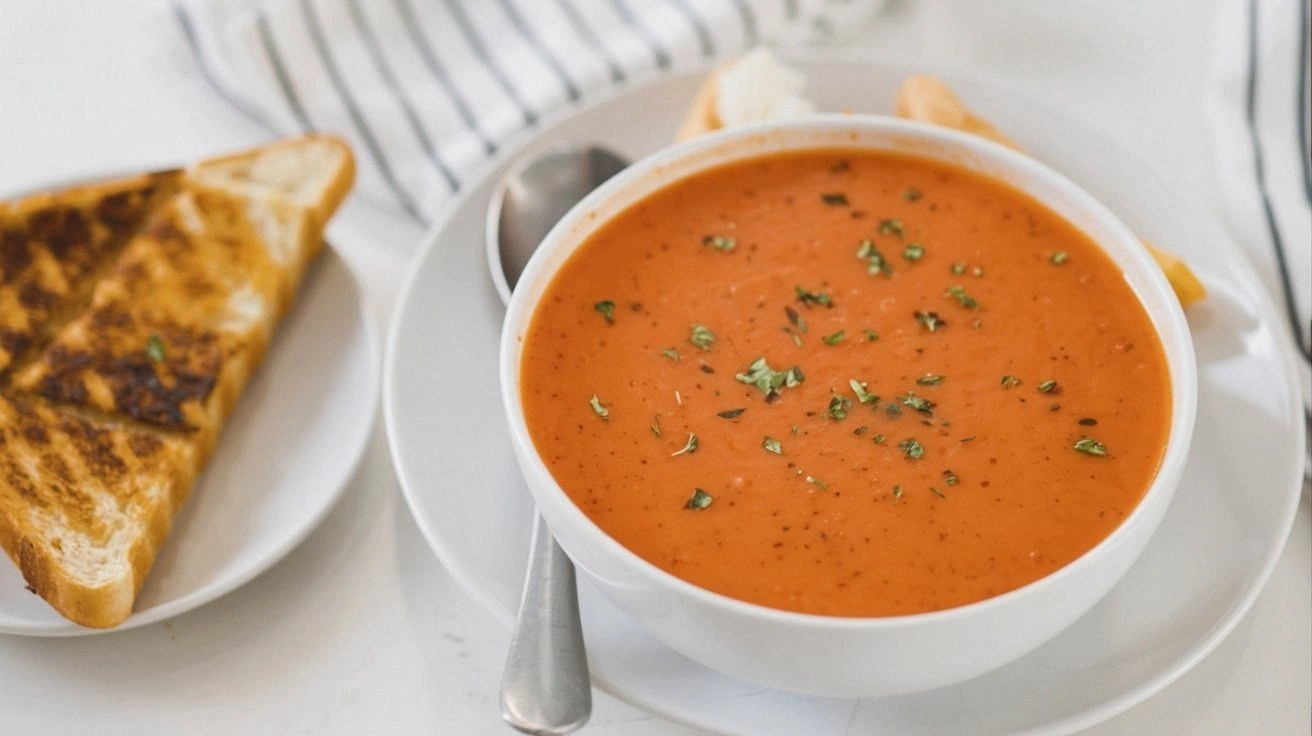
The moment you ladle the first spoonful, the aroma of roasted tomatoes and garlic will envelop your senses, whispering promises of comfort. The sound of the spoon gliding through the thick broth feels almost ceremonial, like a ritual of nourishment. The texture is a paradox of creaminess and subtle chunkiness—each bite feels like a hug from the inside. The flavor profile is a balanced duet of sweet acidity, herbaceous undertones, and a gentle umami kick. The finish is silky, leaving a faint echo of basil that lingers on the palate for minutes. This isn’t just soup; it’s an edible memory.
What makes this version stand out is not just the silky texture but the precision of every step. I’ve distilled the process into a single pot, eliminated unnecessary ingredients, and introduced a surprisingly simple technique that transforms ordinary tomatoes into a luxurious base. The result? A soup that feels like a gourmet experience but can be whipped up in under an hour. I dare you to taste this and not go back for seconds, because once you do, you’ll never settle for anything else.
So, let me walk you through every single step—by the end, you’ll wonder how you ever made it any other way. From the first sauté to the final swirl of cream, each motion is deliberate, each ingredient purposeful. This recipe will become your go-to for cozy nights, impressing guests, or simply treating yourself to something special. Ready? Let’s dive in.
What Makes This Version Stand Out
- Taste: The soup balances acidity and sweetness without the need for added sugar, thanks to the natural sugars in ripe tomatoes and a touch of tomato paste. The result is a flavor that’s both bright and comforting, with a subtle depth that comes from slow simmering.
- Texture: The immersion blender creates a silky consistency that feels like a creamy sauce rather than a chunky broth. It’s smooth enough to pour into a bowl and yet still contains gentle tomato bits that give it body.
- Time: From prep to finish, you’re looking at less than an hour. The one‑pot method cuts down on cleanup, while the quick sauté of aromatics lifts the flavor profile.
- Ingredient Quality: Using high‑quality olive oil and a fresh can of San Marzano tomatoes (or your favorite ripe variety) elevates the dish beyond the average supermarket version.
- Crowd‑Pleaser: Whether you’re feeding a family, a group of friends, or just yourself, the creamy texture and bold flavor make it a hit with all ages.
- Versatility: The base can be transformed into a vegan version with coconut milk, a low‑fat option with Greek yogurt, or even a spicy kick with cayenne.
- Make‑Ahead Friendly: The soup keeps well for up to five days in the fridge and freezes for up to three months, making it an excellent option for meal prep.
Alright, let’s break down exactly what goes into this masterpiece…
Inside the Ingredient List
The Flavor Base
Olive oil, onions, garlic, and a splash of tomato paste form the aromatic foundation of this soup. The olive oil provides a silky mouthfeel, while the onions and garlic give depth and a subtle sweetness that balances the tomato’s acidity. The tomato paste concentrates the tomato flavor, creating a rich undertone that lingers on the palate. Skipping any of these will leave the soup feeling flat and under‑seasoned.
The Texture Crew
Heavy cream is the secret to that silky finish. It coats the spoon, giving the soup a luxurious mouthfeel that feels like a dessert rather than a savory dish. If you’re looking to keep calories down, substitute with Greek yogurt or a splash of milk for a lighter version. Remember, the cream should be added at the end of cooking to preserve its smoothness; over‑heating can cause it to separate.
The Unexpected Star
Red pepper flakes add a subtle heat that awakens the other flavors. They’re not overpowering, but they give the soup a memorable kick that keeps it from feeling too sweet. If you’re not a fan of spice, simply omit them or reduce the amount. The dish still shines with or without them.
The Final Flourish
Fresh basil and a sprinkle of grated Parmesan finish the soup with a bright, aromatic lift. The basil adds a fresh, green contrast to the deep tomato, while the Parmesan provides a nutty, savory note that rounds out the dish. These garnishes are optional, but they add a professional touch that makes the soup look and taste restaurant‑quality.
Everything's prepped? Good. Let’s get into the real action…
The Method — Step by Step
- Heat the oil: In a large, heavy‑bottom pot, warm the olive oil over medium heat until it shimmers. This signals that the oil is hot enough to sauté the aromatics without burning them. The aroma of garlic will begin to rise, hinting at the depth of flavor to come.
- Sauté onion: Add the diced onion and a pinch of salt. Cook, stirring occasionally, until the onion turns translucent and starts to caramelize, about 5 minutes. The onions should be golden, not brown, to preserve their sweet note.
- Garlic and spices: Toss in the minced garlic, oregano, basil, and red pepper flakes. Sauté for 30 seconds until the garlic turns fragrant, being careful not to let it burn. This step releases essential oils that bind the soup’s flavors together.
- Tomato paste: Stir in the tomato paste and let it cook for 2 minutes. This caramelizes the paste, turning it slightly darker and adding a rich, umami depth. The paste should coat the vegetables evenly, forming a glossy base.
- Tomatoes and broth: Pour in the crushed tomatoes and vegetable broth. Bring the mixture to a gentle simmer. The broth dilutes the tomato paste’s intensity while allowing the flavors to meld. Simmer for 15 minutes to let the tomatoes break down.
- Blend: Use an immersion blender to puree the soup directly in the pot until silky and smooth. If you don’t have an immersion blender, transfer the soup in batches to a countertop blender. Be cautious of hot liquid splattering.
- Add cream: Lower the heat to low and stir in the heavy cream. Warm the soup gently, ensuring it doesn’t boil, to maintain the cream’s smooth texture. The soup should look glossy and be slightly thickened.
- Season: Taste and adjust with salt, pepper, and sugar if needed. The sugar balances acidity, but use it sparingly to avoid a sweet finish.
- Finish and serve: Remove from heat. Ladle into bowls and garnish with fresh basil and a sprinkle of Parmesan if desired. Serve hot with crusty bread or a side salad.
That's it — you did it. But hold on, I've got a few more tricks that'll take this to another level…
Insider Tricks for Flawless Results
The Temperature Rule Nobody Follows
Keeping the soup at a low simmer after adding the cream is crucial. A gentle heat ensures the cream emulsifies with the tomato base, creating that coveted silky mouthfeel. I once let my soup boil after adding cream, and it separated into a greasy layer. The lesson? Patience pays off.
Why Your Nose Knows Best
Smell the soup as it simmers. If it starts to smell like burnt garlic, lower the heat immediately. A faint, caramelized tomato aroma signals that the flavors have developed fully. Trust your nose; it’s the best judge of readiness.
The 5‑Minute Rest That Changes Everything
Let the soup rest for five minutes after turning off the heat. This allows the flavors to marry and the soup to thicken slightly. The rest period also lets the heat distribute evenly, preventing hot spots.
Use a Whisk for Extra Smoothness
If you notice any lumps after blending, whisk vigorously for a few seconds. The whisk pulls the mixture into a uniform texture without the risk of splattering.
Keep It Fresh with Fresh Basil
Add fresh basil at the very end, just before serving. The basil’s essential oils evaporate quickly, so adding it last preserves its bright, herbal flavor. I love seeing the green flecks dance in the soup.
Serve with a Twist of Lemon
A squeeze of fresh lemon juice before serving brightens the soup, cutting through the richness. It adds a fresh zing that makes the soup feel lighter, especially on hot days.
Creative Twists and Variations
This recipe is a playground. Here are some of my favorite ways to switch things up:
Spicy Jalapeño Kick
Add diced jalapeños during the sauté step for a fiery version. The heat pairs beautifully with the tomato’s sweetness, creating a balanced profile that’s perfect for summer nights.
Herbed Greek Yogurt Finish
Swap heavy cream for Greek yogurt to reduce fat and add a tangy twist. Stir in the yogurt after the soup has cooled slightly to prevent curdling. The result is a creamy, probiotic‑rich dish.
Roasted Red Pepper Fusion
Roast red bell peppers until charred, then blend them into the soup. The smoky flavor adds depth, making the soup feel like a hearty stew. Pair with crusty bread for a comforting meal.
Cheesy Parmesan Layer
Stir in a handful of shredded cheddar or Gruyère at the end for a gooey, melty texture. The cheese melts into the soup, creating a velvety layer that’s irresistible to kids and adults alike.
Vegan Coconut Cream
Use coconut cream and a splash of almond milk for a dairy‑free version. The coconut adds a subtle tropical note, while the almond milk keeps the soup light and airy.
Breakfast Bowl
Serve the soup over a fried egg and toast for a hearty breakfast. The yolk’s richness complements the tomato, and the toast adds crunch. It’s a quick, comforting start to any day.
Storing and Bringing It Back to Life
Fridge Storage
Cool the soup completely before transferring it to an airtight container. Store in the refrigerator for up to five days. The richness of the cream helps preserve the soup’s texture, preventing it from becoming watery.
Freezer Friendly
For longer storage, freeze the soup in single‑serving portions. Add a splash of water to each container before freezing to keep the consistency silky when thawed. Thaw overnight in the fridge, then reheat gently.
Best Reheating Method
Reheat on low, stirring frequently to avoid scorching. Add a teaspoon of water or broth if the soup thickens too much during reheating. A tiny splash of water steams the soup back to its original silky texture, keeping it luscious.