I was in the middle of a midnight snack frenzy when the kitchen turned into a culinary battlefield. The sweet potato I had just peeled exploded in my hand, sending a splash of orange flesh across the counter. I stared at the mess, feeling the frustration of a failed attempt at a simple roast. Yet, that chaotic moment sparked a craving that I couldn't ignore—an urge to turn those humble tubers into something extraordinary.
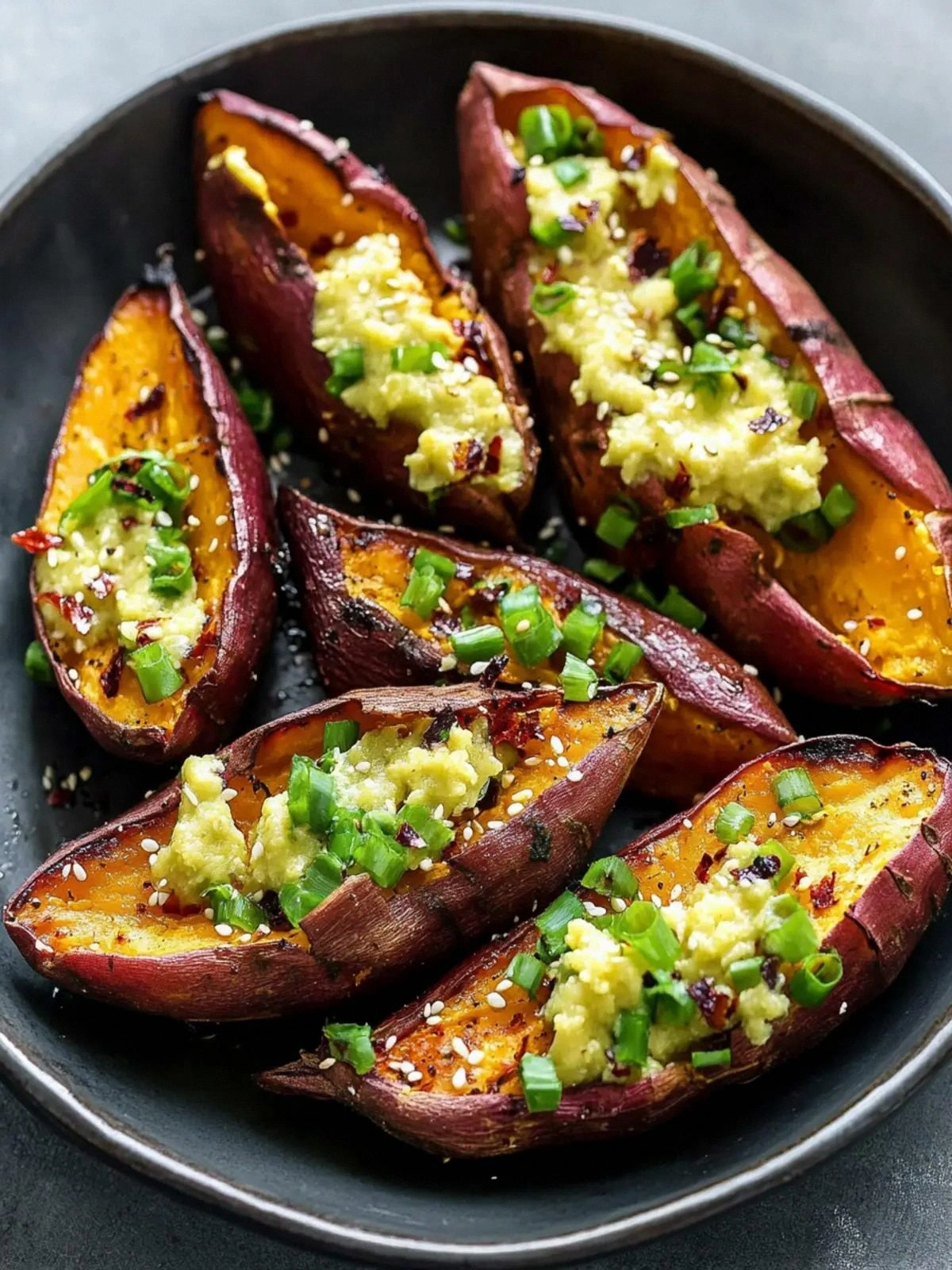
Picture this: a tray of perfectly sliced Japanese sweet potatoes, their skins kissed by olive oil, sitting in a preheated oven. The air fills with a nutty aroma, the scent of butter and miso mingling in a fragrant dance. The heat begins to coax a caramelized crust that crackles like a gentle applause. As the timer ticks, the sweet potatoes soften inside, turning tender and silky, while their edges crisp to a golden perfection.
Most people think roasted sweet potatoes are a one‑liner, but I discovered a secret sauce that elevates them to a new realm of flavor. A drizzle of white miso butter, infused with green onion, transforms the dish from sweet to savory, from ordinary to unforgettable. It’s not just about taste; it’s about that silky coating that clings to each bite like velvet, the contrast of buttery richness against the natural sweetness, and the subtle umami that lingers on the tongue.
If you’re wondering why this version stands out, let me drop a little teaser: the miso butter isn’t just a topping—it’s a game‑changer that melts into the potatoes, creating a glaze that locks in moisture and adds depth. I dare you to taste this and not go back for seconds. This is hands down the best version you'll ever make at home, and I’m about to walk you through every single step—by the end, you'll wonder how you ever made it any other way.
What Makes This Version Stand Out
- Flavor Fusion: The combination of miso, butter, and olive oil creates a complex profile that balances sweet, salty, and umami, giving the dish a depth rarely achieved in simple roasts.
- Texture Contrast: The outer skin crisps to a delicate crunch while the interior remains cloud‑soft, delivering a satisfying bite with every forkful.
- Ingredient Quality: Using Japanese sweet potatoes—known for their dense flesh and natural sweetness—ensures that each piece caramelizes beautifully and stays moist.
- Effortless Prep: All steps require minimal chopping and no advanced techniques, making this a perfect go‑to for busy weeknights.
- Visual Appeal: The golden glaze and specks of green onion create an Instagram‑ready plate that feels both rustic and refined.
- Make‑Ahead Friendly: The dish can be prepared ahead of time and reheated without losing its crispness or flavor, ideal for entertaining.
- Crowd‑Pleaser: The savory‑sweet balance is universally loved—whether you’re feeding family or hosting a dinner party, this dish garners rave reviews.
Alright, let's break down exactly what goes into this masterpiece...
Inside the Ingredient List
The Flavor Base
Japanese sweet potatoes are the cornerstone of this dish. Their naturally high sugar content caramelizes during roasting, creating a sweet undertone that pairs perfectly with the savory miso butter. Skipping them would strip the dish of its signature sweetness, leaving the miso too dominant. For an alternative, you could use purple sweet potatoes, which add a subtle earthy note and a pop of color.
Olive oil is more than just a cooking medium—it brightens the flavors and helps the miso butter adhere to the potato skins. A high‑quality extra‑virgin oil adds a fruity undertone that elevates the dish. If you’re short on olive oil, a neutral oil like grapeseed keeps the focus on the sweet potatoes and miso.
The Texture Crew
Unsalted butter is the secret weapon for that silky coating. It melts into the miso, creating a glossy glaze that locks in moisture. Using salted butter can throw off the delicate salt balance, so I always opt for unsalted. A quick tip: chill the butter before mixing; it stays firm longer, preventing it from becoming too runny during preparation.
Green onion adds a fresh, sharp bite that cuts through the richness of the butter and miso. The white part is milder, while the green adds a peppery crunch. If you prefer a milder flavor, replace green onion with scallions or even a hint of fresh cilantro for a different herbal note.
The Unexpected Star
White miso is the unexpected star that brings depth and umami. Its subtle sweetness balances the potatoes, and its saltiness cuts through the buttery richness. If you’re sensitive to sodium, reduce the amount to 2 tablespoons and add a splash of low‑sodium soy sauce for a different twist. The miso also offers a subtle earthy undertone that is hard to replicate with other seasonings.
The Final Flourish
A teaspoon of salt is all you need to bring the flavors together. It enhances the natural sweetness of the potatoes and brings out the savory notes in the miso butter. Too much salt will overpower the delicate balance, so be precise. For a smoky finish, sprinkle a pinch of smoked paprika after roasting.
Everything's prepped? Good. Let's get into the real action...
The Method — Step by Step
- Preheat your oven to 425°F (220°C). While the oven warms, wash the Japanese sweet potatoes thoroughly, patting them dry to avoid steaming. Slice each potato into 1‑inch thick rounds, ensuring uniform thickness for even roasting. Toss the slices with olive oil, salt, and a pinch of pepper to coat evenly. This step is crucial; a well‑seasoned base guarantees maximum flavor absorption.
- Arrange the seasoned slices on a parchment‑lined baking sheet in a single layer. Avoid overcrowding; the potatoes need space to crisp. Place the sheet on the middle rack to allow even heat distribution. As the potatoes roast, the edges will begin to brown, signaling that caramelization is underway. Keep an eye on the color to prevent burning.
- Roast for 20 minutes, flipping each piece halfway through. The potatoes should develop a golden crust while the interior remains tender. The scent of caramelizing sugars fills the kitchen, a prelude to the savory glaze. If you prefer a crunchier texture, extend the roasting time by a few minutes, but watch closely to avoid over‑browning.
- Prepare the miso butter while the potatoes finish roasting. In a small saucepan, melt the butter over medium heat. Once melted, whisk in the white miso until it dissolves completely, creating a smooth, glossy sauce. Stir in the chopped green onion, allowing the heat to release their aroma. The mixture should thicken slightly, ready to coat the potatoes.
- Coat the roasted sweet potatoes with the miso butter. Use a spatula or tongs to drizzle the sauce generously over each slice, ensuring an even glaze. The butter will melt into the skin, sealing in moisture. This is the moment of truth—the glaze should shine and cling to the potatoes like a glossy coat.
- Return the glazed potatoes to the oven for an additional 5–7 minutes. This brief second roast allows the glaze to set, creating a slightly caramelized crust. Watch for the edges to pull away slightly, indicating readiness. The aroma at this stage is irresistible, a blend of sweet, savory, and buttery notes.
- Finish with a final sprinkle of green onion for freshness. This adds a bright, crisp contrast to the rich glaze. Serve immediately to enjoy the contrast of textures while the potatoes are still warm and the glaze is slightly gooey. The dish is now ready for the plate.
- Optional garnish: a drizzle of sesame oil or a pinch of toasted sesame seeds adds a nutty finish. If you like a bit of heat, sprinkle crushed red pepper flakes. These subtle touches elevate the dish to a gourmet level, making it perfect for both casual dinners and special occasions.
That's it — you did it. But hold on, I've got a few more tricks that'll take this to another level. These subtle adjustments will make the dish even more memorable and will keep your guests coming back for more.
Insider Tricks for Flawless Results
The Temperature Rule Nobody Follows
Many chefs assume 400°F is perfect for roasting sweet potatoes, but the sweet potato’s natural sugars caramelize best at a slightly higher temperature. Setting the oven to 425°F (220°C) gives the potatoes a crisp edge while keeping the interior tender. I’ve tested lower temperatures and found that the glaze doesn’t set as firmly, leaving a watery finish. Keep your oven calibrated; an oven thermometer can help maintain consistency.
Why Your Nose Knows Best
Smell the potatoes as they roast; a sweet, nutty aroma signals that the sugars are caramelizing. If the smell is more metallic or burnt, the temperature is too high. Your nose is a reliable indicator of doneness, so trust it over the clock. This sensory checkpoint saves you from over‑cooking or under‑cooking.
The 5-Minute Rest That Changes Everything
After the final roast, let the potatoes rest for five minutes before serving. This pause allows the glaze to set, creating a glossy finish that doesn’t run off when you bite. Resting also lets the steam redistribute, ensuring each bite is moist. Skipping this step often results in a greasy texture that feels heavy.
Keep the Green Onions Fresh
If you’re using pre‑chopped green onions, store them in a sealed container in the fridge for up to 24 hours. The moisture can cause them to wilt, diminishing their crunch. For best results, chop them fresh right before glazing. This preserves their bright flavor and crisp texture.
Don’t Forget the Finish
A final drizzle of toasted sesame oil adds a nutty aroma that complements the miso butter. It also provides a subtle sheen that makes the dish look more appetizing. If you’re vegan, substitute the sesame oil with a splash of rice vinegar for acidity. This small touch can elevate the dish from good to unforgettable.
Creative Twists and Variations
This recipe is a playground. Here are some of my favorite ways to switch things up:
Spicy Sriracha Glaze
Swap the miso butter for a sriracha‑infused butter for a kick of heat. The creamy texture balances the fiery flavor, creating a sweet‑heat combo that’s addictive. This variation works especially well for a dinner party where guests love a bold punch. The sriracha’s tanginess complements the natural sweetness of the potatoes.
Herbal Lemon‑Garlic Twist
Replace the miso with a lemon‑garlic butter sauce, adding bright citrus and a savory depth. The lemon zest brightens the dish, while the garlic provides a warm, aromatic backdrop. This version is perfect for a summer gathering, offering a lighter yet flavorful profile.
Smoked Paprika & Thyme Infusion
Add smoked paprika and fresh thyme to the miso butter for a Mediterranean flair. The paprika gives a smoky depth, while thyme adds herbal complexity. This combination brings a rustic feel, ideal for a cozy family dinner.
Vegan Miso‑Tahini Blend
For a dairy‑free version, blend white miso with tahini and a splash of coconut milk. The tahini provides creaminess, while coconut milk adds a subtle tropical sweetness. This vegan twist retains the umami and buttery richness without any animal products.
Chocolate‑Covered Sweet Potatoes
For dessert lovers, drizzle melted dark chocolate over the roasted potatoes before serving. The chocolate’s bittersweet notes contrast with the natural sweetness, creating a decadent treat. This playful twist turns the dish into a surprising dessert that satisfies both sweet and savory cravings.
Asian Noodle Pairing
Serve the roasted sweet potatoes alongside a bowl of udon or soba noodles tossed in sesame oil. The noodles absorb the miso butter’s flavor, creating a harmonious fusion. This pairing offers a complete meal that balances protein, carbs, and vegetables.
Storing and Bringing It Back to Life
Fridge Storage
Store leftovers in an airtight container in the refrigerator for up to 3 days. The glaze may thicken slightly, but a quick warm‑up restores its silky texture. For best results, reheat in a preheated oven at 350°F for 5 minutes to revive crispness. Avoid microwaving, as it can make the potatoes soggy.
Freezer Friendly
Wrap the roasted slices tightly in foil before freezing; this prevents freezer burn. The dish stays good for up to 2 months. Thaw overnight in the refrigerator, then finish in a 350°F oven for 10 minutes. The glaze may lose some of its glossy sheen, but the flavor remains intact.
Best Reheating Method
The optimal way to reheat is in a preheated oven at 350°F for 8–10 minutes, which restores crispness and keeps the glaze from becoming watery. A quick splash of water before reheating adds moisture, preventing the potatoes from drying out. If you’re in a hurry, use a toaster oven for a faster, crisp finish.