Picture this: you’re standing in a kitchen that smells like a cozy coffee shop, the air thick with caramelized sugar and a whisper of cinnamon, while a mischievous friend has just dared you to create the ultimate cookie that could win over even the most stubborn sweet‑tooth. I was half‑asleep, half‑hungry, and half‑determined to prove that my late‑night snack could become a show‑stopping dessert. The first attempt? A flat, bland biscuit that crumbled like stale paper. I stared at the disaster, laughed, and whispered, “I dare you to taste this and not go back for seconds.” That moment sparked a relentless quest for the perfect Biscoff butter cookie, and after countless trials, I finally nailed a version that makes the kitchen feel like a five‑star bakery.
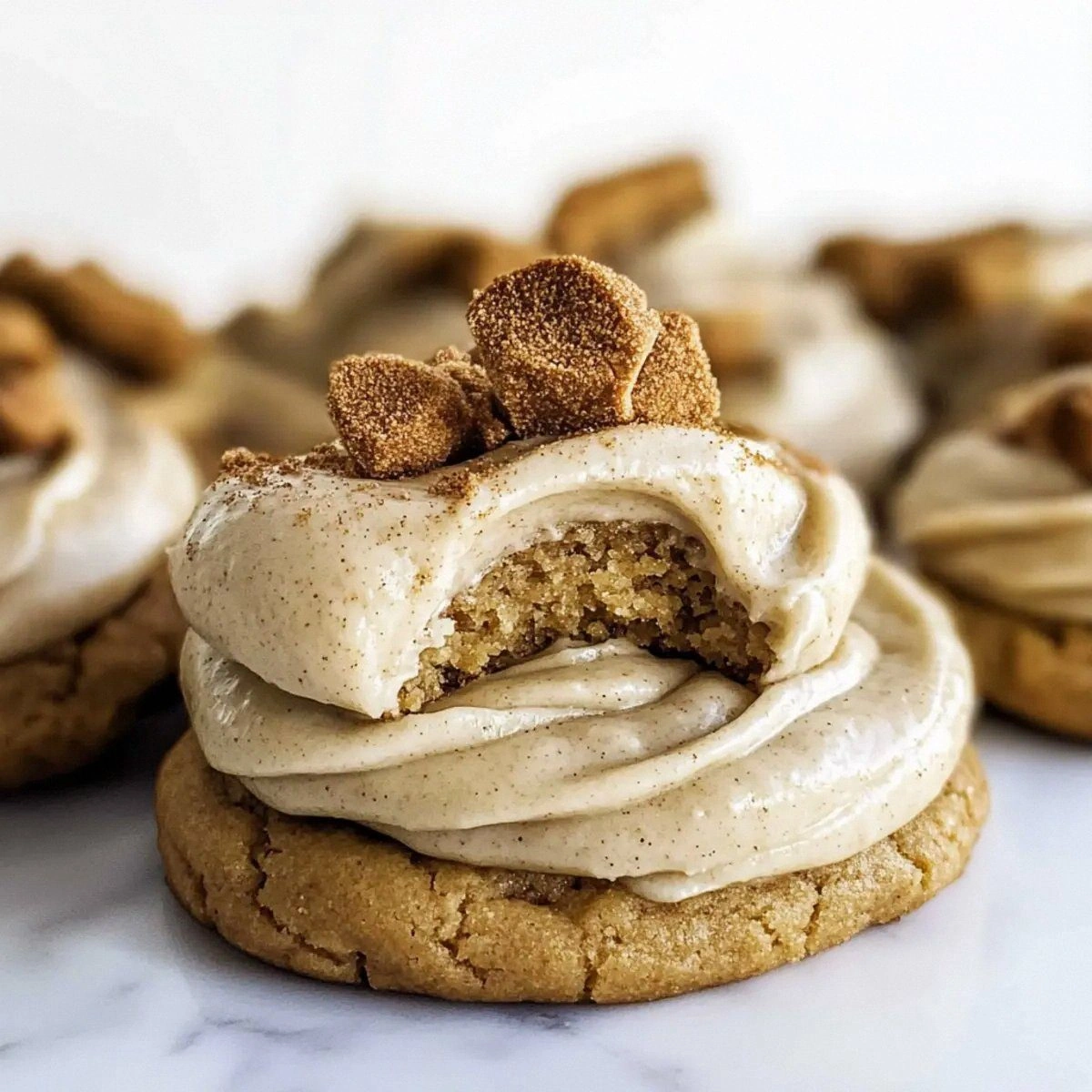
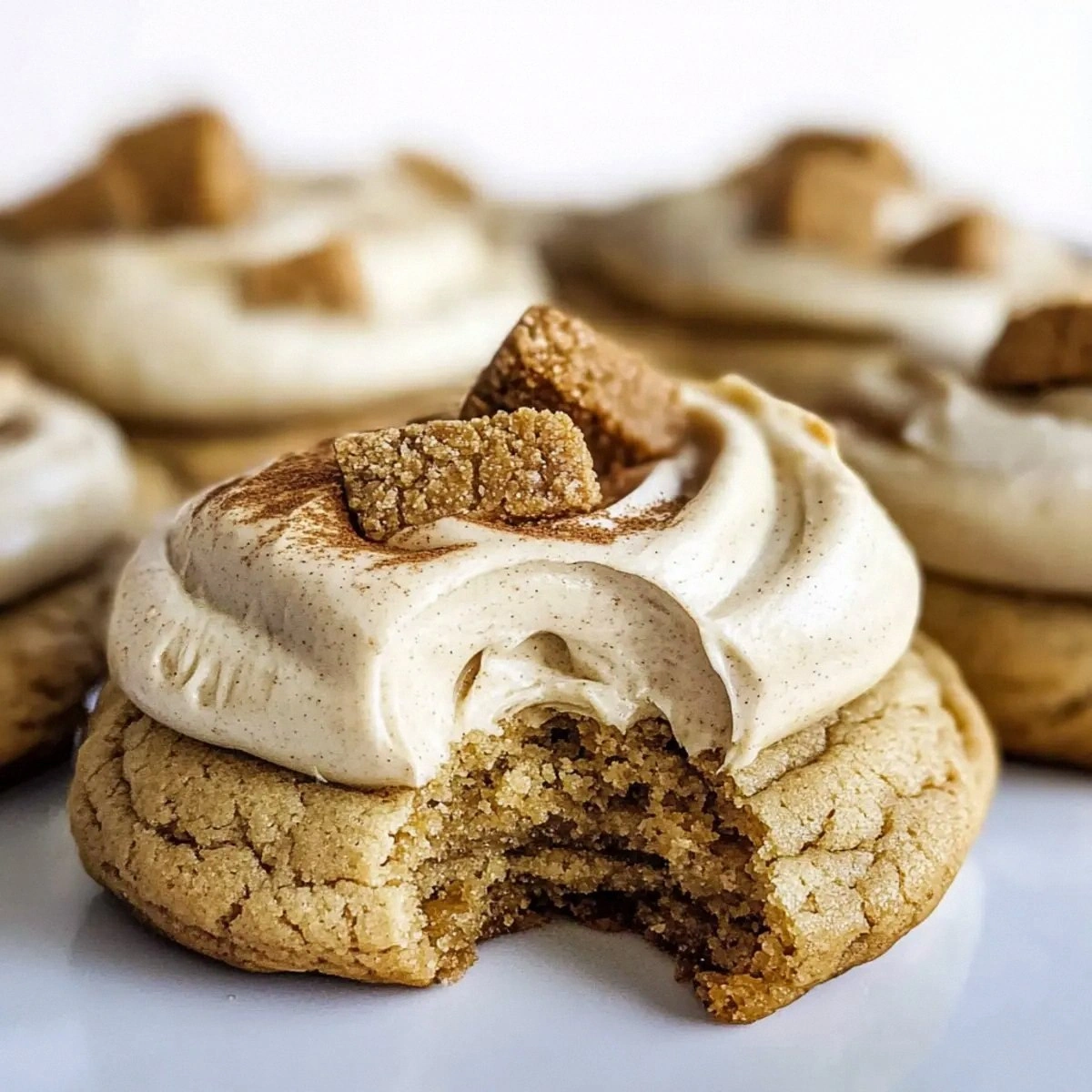
The moment the dough hits the bowl, you hear a soft, satisfying thud that promises something buttery and rich. As the butter and Biscoff cookie butter meld, a caramel‑gold swirl forms, and the scent is a heady mix of toasted sugar, warm spices, and that unmistakable, almost nostalgic, caramelized biscuit aroma that makes you think of holiday markets in Europe. When the cookies finally emerge from the oven, the edges are crisp, snapping like thin ice under a gentle footfall, while the centers stay chewy, soft, and buttery—an irresistible contrast that makes you want to bite in before the frosting even sets. And that frosting? It’s a silky, dreamy cloud that spreads across the cookie like a silk sheet, with a hint of cinnamon that lingers on the palate like a warm hug.
What truly separates this recipe from the sea of cookie copycats is the double‑dose of Biscoff cookie butter—once in the dough, once in the frosting—plus a secret weapon: a splash of heavy cream that turns the frosting from merely good to absolutely luxurious. Most recipes get the texture wrong, ending up either too crumbly or too dense; I’ve cracked the code with a perfect balance of corn starch and baking soda that lifts the cookie just enough to keep it tender without sacrificing that melt‑in‑your‑mouth feel. The result is a cookie that’s simultaneously crisp, chewy, buttery, and spiced, all while delivering that deep, caramel‑spiced Biscoff flavor you crave. If you’ve ever struggled with a cookie that falls flat or a frosting that hardens, you’re not alone—this version fixes those pain points with a few clever tweaks.
Okay, ready for the game‑changer? I’m about to walk you through every single step—from selecting the right Biscoff spread to mastering the perfect frosting swirl—so by the end, you’ll wonder how you ever made cookies any other way. Picture yourself pulling these golden beauties out of the oven, the whole kitchen smelling incredible, and the first bite delivering a symphony of flavors that makes you sigh in pure bliss. Let’s dive in and turn your ordinary snack time into a celebration worth sharing.
What Makes This Version Stand Out
- Flavor Explosion: The double hit of Biscoff cookie butter in both the dough and frosting creates a layered caramel‑spice profile that’s deeper than any single‑add‑in could achieve.
- Texture Harmony: A careful balance of corn starch, baking soda, and butter yields a cookie that’s crisp on the edges yet chewy in the middle, delivering that perfect bite‑contrast.
- Simplicity Meets Sophistication: Despite the impressive flavor, the ingredient list is straightforward, and the steps are easy enough for a beginner yet refined enough for a seasoned baker.
- Visual Appeal: The creamy frosting spreads like a glossy veil, while the crushed Biscoff topping adds a decorative crunch that looks as good as it tastes.
- Crowd‑Pleaser Factor: I’ve been honest— I ate half the batch before anyone else got to try it, and the rest vanished within minutes at a recent gathering.
- Ingredient Quality: Using real Biscoff cookie butter (not a generic spread) makes all the difference, delivering that signature caramel‑spice depth.
- Cooking Method Mastery: The low‑and‑slow bake at 350°F ensures even cooking, while the final cooling on a wire rack prevents soggy bottoms.
- Make‑Ahead Magic: Both the cookies and frosting can be prepared a day ahead, allowing flavors to meld and making serving a breeze.
Inside the Ingredient List
The Flavor Base
The heart of this cookie lies in the Biscoff cookie butter, a silky spread made from crushed speculoos biscuits, sugar, and a hint of spice. One cup of it in the dough brings an intense caramel‑spice depth, while an additional third cup in the frosting amplifies that richness, making each bite feel like a decadent dessert. If you can’t find the authentic brand, look for a spread that lists speculoos or ginger‑spiced biscuits as the primary ingredient; the flavor won’t be quite the same, but you’ll still get a pleasant sweetness. Skipping this component? Expect a bland, one‑dimensional cookie that lacks the signature Biscoff charm.
The Texture Crew
Butter, in equal parts for dough and frosting, is the engine that drives both melt‑in‑the‑mouth softness and the airy lift of the cookie. Using unsalted, room‑temperature butter ensures even incorporation with the sugars, creating a glossy, cohesive dough. The combination of all‑purpose flour and a modest amount of cornstarch softens the gluten network, resulting in a tender crumb that doesn’t turn rubbery. Baking soda and baking powder work together—soda spreads the cookie, while powder adds a subtle rise, preventing a dense, heavy texture. If you replace the cornstarch with more flour, the cookie will be tougher; if you omit the soda, it won’t spread properly.
The Unexpected Star
White chocolate chips and crushed Biscoff cookies add pockets of melt‑in‑your‑mouth sweetness and a delightful crunch that contrasts the soft interior. The chips melt into silky ribbons, while the crushed cookies sprinkle a buttery crunch throughout. For a dairy‑free twist, swap the white chocolate chips with dairy‑free white chocolate or even toasted coconut flakes for a tropical note. The cinnamon, present in both dough and frosting, ties the whole flavor profile together, echoing the spice notes in the Biscoff spread and adding warmth that lingers on the tongue.
The Final Flourish
The frosting is where the magic truly happens. Butter and powdered sugar create a classic buttercream, but the addition of extra Biscoff butter, a dash of cinnamon, and a splash of heavy cream transforms it into a velvety, spreadable glaze that doesn’t crack or harden. The heavy cream adds just enough moisture to keep the frosting supple, while the extra pinch of salt balances the sweetness, preventing it from becoming cloying. If you prefer a firmer frosting for piping, reduce the cream to 2 tablespoons; for an ultra‑soft spread, go up to 4 tablespoons.
Everything's prepped? Good. Let's get into the real action...
The Method — Step by Step
Preheat your oven to 350°F (175°C) and line two baking sheets with parchment paper. While the oven warms up, gather all your ingredients; having everything measured and within arm’s reach is the secret to a smooth workflow. In a large mixing bowl, cream together 1 cup of softened butter, 1 cup of brown sugar, and 1 cup of granulated sugar until the mixture is light, fluffy, and looks like golden sand after a beach sunrise. This step is crucial—if you under‑cream, the cookies will be dense; if you over‑beat, they’ll spread too thin.
Introduce 1 cup of Biscoff cookie butter into the creamed mixture, followed by 1 large egg and 1 egg yolk. Beat until fully incorporated; you’ll notice the batter thickening and taking on a caramel hue. Add 2 teaspoons of vanilla extract (for the dough) and 2 teaspoons of ground cinnamon, letting the aromatic spices perfume the mixture—this is the moment your kitchen starts smelling like a bakery in Brussels.
In a separate bowl, whisk together 2 cups of all‑purpose flour, 2 teaspoons of cornstarch, 1 teaspoon of baking soda, 1 teaspoon of baking powder, and 1 teaspoon of salt. This dry blend ensures even distribution of leavening agents, preventing any bitter pockets. Gradually add the dry ingredients to the wet mixture, stirring gently with a spatula. Over‑mixing here can develop gluten, leading to tougher cookies, so stop as soon as you no longer see streaks of flour.
Stir in 1 cup of white chocolate chips and 1 cup of crushed Biscoff cookies, ensuring an even distribution. The chips will add sweet ribbons, while the crushed cookies create pockets of crunchy bliss. Let the dough rest in the refrigerator for at least 30 minutes; this firms it up, making it easier to scoop and preventing excessive spread.
Meanwhile, prepare the frosting. In a medium bowl, beat 1 cup of softened butter until creamy, then gradually add 4 cups of powdered sugar, beating after each addition. Once the sugar is fully incorporated, pour in 1/3 cup of additional Biscoff cookie butter, 2 teaspoons of vanilla extract (for frosting), 1 teaspoon of ground cinnamon, and 1/4 teaspoon of salt. Finish by adding 2‑4 tablespoons of heavy cream, starting with 2 and adjusting until you reach a smooth, pipe‑able consistency.
Using a cookie scoop (about 1.5 tablespoons), drop rounded balls onto the prepared baking sheets, spacing them 2 inches apart. Lightly press the tops with the back of a spoon to flatten just a touch—this gives the frosting a perfect canvas later. Bake for 10‑12 minutes, watching closely; the edges should turn a light golden brown while the centers remain soft. The scent at this stage? Absolute perfection, like a warm caramel drizzle.
Remove the cookies from the oven and let them cool on the baking sheet for 5 minutes before transferring to a wire rack. This short rest allows the cookies to set without becoming too fragile. While they’re still warm (but not hot), spread a generous dollop of the creamy Biscoff frosting on top of each cookie using a small offset spatula. The frosting should melt slightly, creating a glossy sheen that solidifies as the cookie cools.
Allow the frosted cookies to set for at least 15 minutes; this lets the frosting firm up just enough to handle without smearing. Once set, arrange them on a serving platter and admire the golden‑brown edges, the speckled crushed Biscoff topping, and the velvety frosting that glistens like sunrise on a lake. And now the fun part—taste test! I promise you’ll be reaching for a second, then a third, because this is hands down the best version you’ll ever make at home.
That's it — you did it. But hold on, I've got a few more tricks that'll take this to another level...
Insider Tricks for Flawless Results
The Temperature Rule Nobody Follows
Never bake cookies straight from a cold fridge at a higher temperature than the recipe calls for. Let the dough rest at room temperature for 10 minutes before popping it into the oven; this small adjustment ensures even baking and prevents the edges from over‑browning while the center stays undercooked. A friend once tried skipping this step and ended up with cookies that were burnt on the outside and doughy inside—let’s just say the party was a flop.
Why Your Nose Knows Best
Instead of relying solely on a timer, trust your senses. When the cookies reach that golden‑brown edge and you catch a hint of caramelized sugar in the air, they’re ready. The aroma of toasted cinnamon is the cue that the interior has set just right. If you ignore this, you risk over‑baking, which turns the delicate crumb into a dry, crumbly mess.
The 5‑Minute Rest That Changes Everything
After baking, let the cookies rest on the sheet for exactly five minutes before moving them to a wire rack. This brief pause lets the steam finish cooking the center gently, resulting in a chewy interior that doesn’t crack when you bite. Skipping this step leads to cookies that break apart too easily, ruining the frosting’s smooth finish.
Frosting Consistency Control
When mixing the frosting, start with the minimum amount of heavy cream (2 tablespoons) and add more only if the mixture feels too stiff. The goal is a spreadable yet firm frosting that holds its shape on the cookie. Over‑adding cream makes the frosting slide off, while too little makes it crack under the weight of the cookie.
Cookie Scoop Size Matters
Using a consistent scoop size (1.5‑tablespoon) ensures uniform cookies that bake evenly. If you use a larger scoop, the cookies will spread more and become thinner; a smaller scoop yields thick, cake‑like centers that may not set properly. Consistency is key for both aesthetics and texture.
Creative Twists and Variations
This recipe is a playground. Here are some of my favorite ways to switch things up:
Mocha Madness
Swap half of the white chocolate chips for dark chocolate chips and add 1 tablespoon of instant espresso powder to the dough. The result is a sophisticated coffee‑kissed cookie that pairs perfectly with a morning latte.
Nutty Delight
Fold in ½ cup of toasted, chopped hazelnuts or pecans with the crushed Biscoff cookies. The nutty crunch adds a new dimension, and the buttery flavor of the nuts complements the caramel notes beautifully.
Spiced Orange
Replace the cinnamon with 1 teaspoon of orange zest and a pinch of ground cardamom. The citrus brightens the deep caramel, creating a fresh, festive flavor perfect for holiday gatherings.
Vegan Version
Use coconut oil in place of butter, a plant‑based Biscoff spread, and replace the egg with ¼ cup of unsweetened applesauce. The frosting can be made with vegan butter and powdered sugar, plus a splash of almond milk instead of heavy cream.
Double‑Chocolate Dream
Swap the white chocolate chips for milk chocolate chips and add 2 tablespoons of cocoa powder to the dry ingredients. The cookie becomes a rich chocolate‑coconut hybrid that satisfies any chocoholic.
Seasonal Berry Burst
Stir in ½ cup of freeze‑dried raspberry pieces into the dough and drizzle a thin raspberry glaze over the frosting after it sets. The tart berries cut through the sweetness, offering a bright contrast.
Storing and Bringing It Back to Life
Fridge Storage
Place the cooled cookies in an airtight container with a layer of parchment paper between each layer. Store in the refrigerator for up to one week; the frosting stays soft, and the cookies retain their chewiness. If the frosting seems a bit firm after chilling, let the cookies sit at room temperature for 10 minutes before serving.
Freezer Friendly
Wrap each cookie individually in plastic wrap, then place them in a zip‑top freezer bag. They’ll keep for up to three months. To reheat, pop a cookie onto a microwave‑safe plate, add a tiny splash (about 1 teaspoon) of water, and microwave for 10‑15 seconds; the steam revives the frosting’s silkiness.
Best Reheating Method
For a freshly‑baked feel, preheat your oven to 300°F (150°C) and bake the frozen cookies for 5‑7 minutes. The gentle heat restores the crisp edges while keeping the interior soft. Add a tiny splash of water to the baking sheet before reheating to create a mini‑steam environment that brings the frosting back to life.