I still remember the night I tried to impress my family with a “simple” roast goose. I had watched a few videos, followed a handful of recipes, and thought I was ready. I trimmed the goose, seasoned it with salt, pepper, and a splash of olive oil, and tossed it into the oven. The first thing that hit me was the smell—sweet, smoky, almost like a caramelized forest. My kitchen filled with the aroma of roasting meat, and I could hear the faint hiss of fat sizzling against the hot pan. Yet, when I finally pulled the bird out, the skin was a dull brown, the meat inside was dry, and my family’s eyes were polite but disappointed. That night taught me a hard lesson: a goose isn’t just about heat; it’s about layers of flavor, timing, and a touch of daring.
Fast forward to a crisp November evening, I was flipping through a culinary magazine when a photo of a golden goose, its skin crackling like a freshly fried pancake, caught my eye. I stared, almost hypnotized, and thought, “If only I could replicate that.” I dug into my pantry, gathered an orange, a lemon, fresh herbs, and a handful of spices that had been sitting on my shelf for months. I set the stove to a low simmer, let the herbs steep in oil, and the kitchen was suddenly alive with citrus zest and aromatic steam. The anticipation was palpable; the air smelled of citrus, rosemary, and a hint of ginger. I knew then that this would be the goose that would become a family legend.
What makes this version stand out is not just the ingredients—it’s the philosophy behind every step. I refuse to let a goose be a generic roast. I treat it as a canvas, painting layers of flavor that build upon each other. The result is a bird whose skin is blistered to a crisp, buttery sheen, while the meat inside remains juicy and tender, practically falling off the bone. The subtle sweetness of the orange and lemon, the earthy warmth of the herbs, and the depth from star anise and cinnamon create a symphony that lingers on the palate. I dare you to taste this and not go back for seconds. That’s the promise of this recipe.
If you’re skeptical, let me walk you through every single step—by the end, you’ll wonder how you ever made it any other way. Picture yourself pulling this out of the oven, the whole kitchen smelling incredible, the table set, and your guests leaning in, mouths slightly open, ready for the first bite. This isn’t just cooking; it’s an experience that turns a dinner into a celebration. Let’s dive in.
What Makes This Version Stand Out
- Flavor Depth: The combination of citrus, herbs, and warm spices creates a layered profile that sets this goose apart from any other roast you’ve tried. The citrus not only brightens the meat but also acts as a natural tenderizer, while the herbs infuse the fat for a fragrant, aromatic base.
- Texture Contrast: The skin is rendered to a crisp, almost caramelized finish, while the meat stays moist and buttery. This contrast feels like a satisfying crunch followed by a melt‑in‑your‑mouth tenderness.
- Simplicity with Purpose: Despite the number of ingredients, the technique is straightforward. Each step builds on the last, ensuring you never feel overwhelmed.
- Ingredient Quality: Using a whole goose rather than cuts gives the dish a rustic authenticity. Fresh herbs and real spices make the difference between “good” and “legendary.”
- Make‑Ahead Friendly: The roast can be prepped a day ahead, marinated in the refrigerator, and cooked the next day, saving you precious time on busy evenings.
- Crowd‑Pleaser: The combination of sweet, savory, and aromatic flavors makes it a hit for holiday dinners, family gatherings, or any special occasion.
Alright, let’s break down exactly what goes into this masterpiece…
Inside the Ingredient List
The Flavor Base
The heart of this recipe starts with the citrus and herbs. A whole orange, halved, and a whole lemon, halved, are not just for garnish—they release oils that penetrate the skin, brightening the overall flavor. The fresh herbs—thyme, rosemary, sage, and bay—are packed with essential oils that infuse the fat during roasting. If you skip the herbs, you lose that fragrant backdrop, and the dish feels flat. Swap them for dried versions if fresh isn’t available, but use half the amount to avoid overpowering bitterness.
The Texture Crew
Carrots, parsnips, and celery bring a subtle sweetness and a satisfying crunch when roasted alongside the goose. These vegetables also help to lift the bird from the pan, allowing the juices to circulate and baste the meat naturally. If you’re short on space, you can reduce the quantity or omit one of the root vegetables. Just remember that each root adds a layer of flavor that complements the savory meat.
The Unexpected Star
Star anise, a cinnamon stick, and fresh ginger might seem like odd companions for a goose, but they bring warmth, depth, and a hint of exotic sweetness. The star anise imparts a licorice note that balances the richness, while the cinnamon stick offers a subtle spiciness. Ginger adds a fresh, peppery kick that cuts through the fat. If you can’t find star anise, a pinch of ground cloves can mimic its flavor profile. However, the whole spice is preferable for a more nuanced aroma.
The Final Flourish
Salt is the final touch, but it’s more than just seasoning. It pulls moisture from the skin, allowing it to crisp up beautifully. A pinch of salt on the skin before roasting is essential; too little, and the bird will taste bland; too much, and it can become overly salty. If you prefer a low-sodium version, use a salt substitute, but keep in mind that the crispness may suffer.
Everything's prepped? Good. Let's get into the real action…
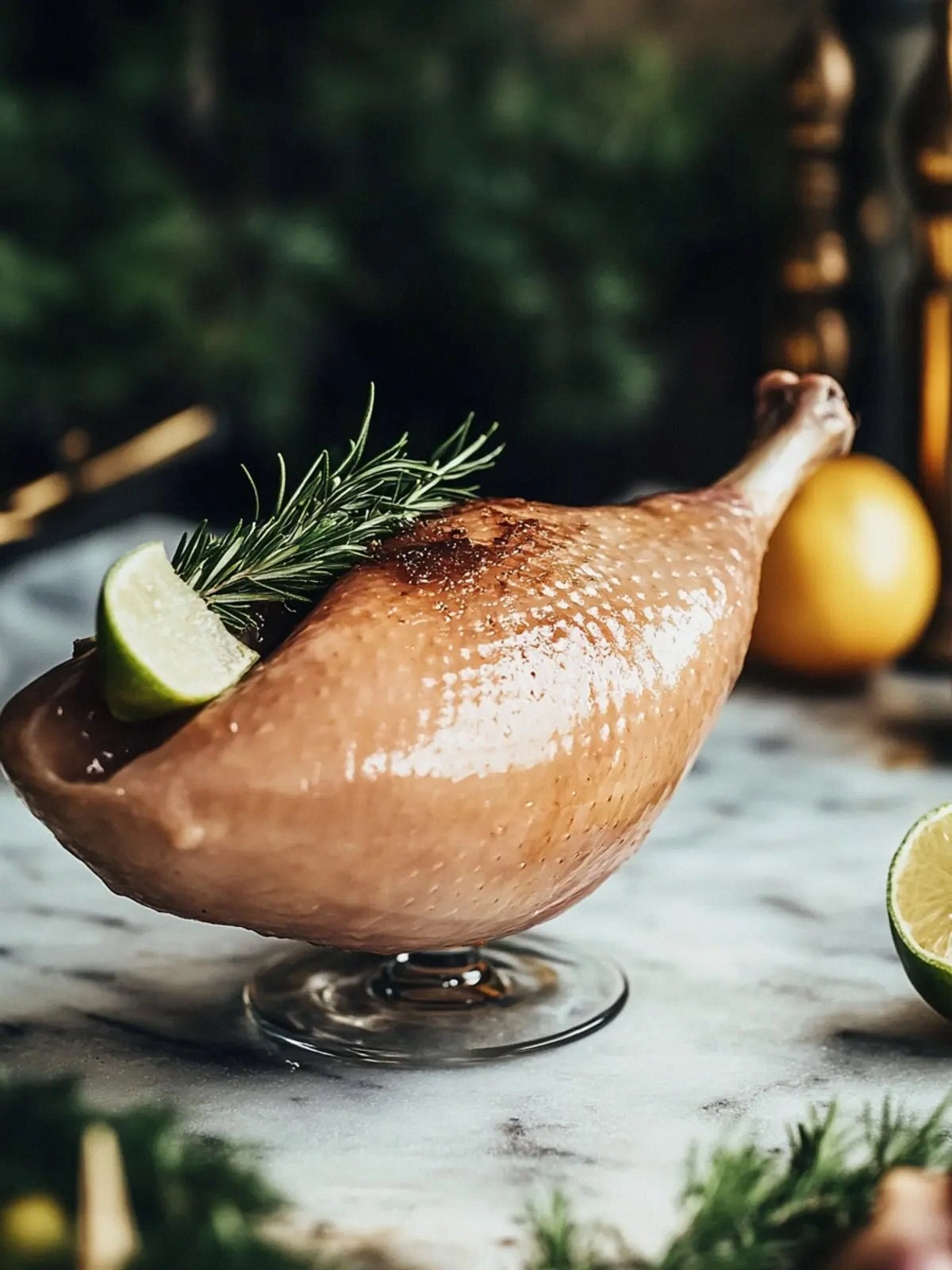
The Method — Step by Step
- Preparation and Brining: Begin by patting the goose dry with paper towels. Season the cavity with salt and pepper, then stuff it with the halved orange, lemon, and a few sprigs of fresh herbs. Tie the legs together with kitchen twine and place the goose on a rack in a roasting pan. Let it sit at room temperature for 30 minutes before cooking. This step allows the flavors to penetrate the meat and helps the skin dry out for crisping.
- Herb & Spice Rub: In a small bowl, combine crushed garlic, finely chopped fresh ginger, a pinch of salt, and the whole spices—star anise, cinnamon stick, and a few whole cloves if you like. Rub this mixture all over the goose’s skin, ensuring it’s evenly coated. The garlic and ginger will release their aromatic oils as they roast, infusing the meat with depth. If you’re a fan of bold flavors, add a dash of smoked paprika to the rub.
- Roasting Setup: Preheat your oven to 160°C (320°F). Place the goose on a rack in a roasting pan, breast side up. Add the carrots, parsnips, celery, and the remaining herbs to the pan, arranging them around the bird. The vegetables will roast in the fat, turning into a flavorful side and a natural basting liquid.
- Low‑Heat Roast: Roast the goose for 2 hours at 160°C. This low temperature allows the fat to render slowly, keeping the meat moist. Keep the lid partially open to allow steam to escape, preventing soggy skin. During this phase, you’ll notice the aroma intensify, filling the kitchen with a warm, savory scent.
- Temperature Boost: After the initial 2 hours, increase the oven temperature to 220°C (425°F). Roast for an additional 45 minutes, or until the skin turns a deep, golden brown and a meat thermometer reads 74°C (165°F) at the thickest part of the thigh. The sudden heat blast is what gives the skin that coveted blistered, caramelized finish. Watch the skin closely; it can go from perfect to burnt quickly.
- Resting Period: Once the goose reaches the target temperature, remove it from the oven and tent it loosely with foil. Let it rest for 20 minutes. This resting period allows the juices to redistribute, ensuring each bite is succulent. While it rests, let the vegetables finish roasting; they’ll be ready for serving.
- Carving and Serving: Carve the goose using a sharp knife, starting with the breast meat, then the legs and thighs. Arrange the pieces on a platter with the roasted vegetables. Drizzle any pan juices over the meat for added moisture. Serve immediately with a side of apple sauce or a simple green salad.
- Finishing Touch: For a final flourish, squeeze fresh lemon juice over the roasted pieces and garnish with a few sprigs of fresh herbs. This brightens the dish and balances the richness of the meat.
That’s it—you did it. But hold on, I’ve got a few more tricks that will take this to another level…
Insider Tricks for Flawless Results
The Temperature Rule Nobody Follows
Many cooks think a single oven temperature is enough. In reality, a two‑phase roast is essential for perfect skin and moist meat. Starting low allows the fat to render slowly, while the final high heat blistering the skin. If your oven has hot spots, rotate the pan halfway through the high‑heat phase to avoid uneven browning.
Why Your Nose Knows Best
Trust your nose during roasting. The first time the skin starts to crackle and the aroma turns slightly caramelized, it’s time to flip the temperature. The smell of toasty fat is the cue that the bird is nearing perfection. Don’t rely solely on the clock; your senses are the best judge.
The 5‑Minute Rest That Changes Everything
Resting is not just a courtesy—it’s a game‑changer. During the 20‑minute rest, the meat’s juices redistribute, making every bite tender. If you cut into the goose immediately, you’ll release a torrent of liquid, leaving the meat dry. Let it rest, then carve. Trust me; the difference is noticeable.
Sautéing the Vegetables First
For an extra layer of flavor, sauté the carrots, parsnips, and celery in a skillet with a splash of olive oil before adding them to the roasting pan. This step caramelizes the sugars, giving the vegetables a sweet, nutty profile that balances the savory goose. It also shortens the overall cooking time slightly.
Using a Roasting Rack
A roasting rack keeps the goose elevated, allowing the fat to drip away and preventing the bird from sitting in its own juices. This elevates the flavor of the pan drippings, making for a richer sauce if you decide to make one later. If you don’t have a rack, place a layer of chopped onions at the bottom of the pan to lift the bird slightly.
Creative Twists and Variations
This recipe is a playground. Here are some of my favorite ways to switch things up:
Maple‑Glazed Goose
Swap the citrus rub for a glaze made from maple syrup, soy sauce, and a splash of bourbon. Brush the glaze every 30 minutes during the high‑heat phase for a sweet, caramelized finish. This variation is perfect for a cozy winter gathering.
Herb‑Crusted Goose
Instead of a simple herb rub, create a crust by mixing dried herbs, breadcrumbs, and melted butter. Press the mixture onto the skin before roasting. The crust adds crunch and a burst of herbal flavor that pairs beautifully with a red wine reduction.
Spicy Jerk Goose
Incorporate a jerk spice blend—allspice, cinnamon, nutmeg, and a hint of cayenne—into the rub. The result is a spicy, aromatic bird with a subtle sweetness from the citrus. Serve with a cooling cucumber yogurt sauce to balance the heat.
Asian‑Inspired Roast
Use soy sauce, hoisin sauce, and a splash of sesame oil in the rub. Add sliced bok choy and sliced daikon radish around the bird for a fresh, crunchy side. This version works well with a side of jasmine rice.
Vegetarian “Goose” with Stuffed Squash
For a plant‑based twist, roast a large butternut squash stuffed with quinoa, dried cranberries, and chopped nuts. The squash’s natural sweetness and the hearty stuffing mimic the richness of goose. Serve with a citrus vinaigrette for a bright finish.
Storing and Bringing It Back to Life
Fridge Storage
Cool the roast to room temperature, then wrap it tightly in foil or parchment paper and place it in an airtight container. Store in the refrigerator for up to 3 days. When you’re ready to reheat, let it sit at room temperature for 30 minutes before warming.
Freezer Friendly
Wrap the roast in plastic wrap, then foil, and freeze for up to 3 months. Thaw overnight in the refrigerator before reheating. Freezing preserves the flavor, but be careful not to over‑cook when reheating.
Best Reheating Method
Reheat the roast in a preheated oven at 150°C (300°F) for 15–20 minutes, or until warmed through. Add a splash of water or broth to the pan before covering with foil to keep the meat moist. The result is a juicy, flavorful dish that tastes almost as fresh as the first time.