Introduction
Picture this: a rainy afternoon, a kitchen filled with the scent of frying onions, and you, standing beside a friend who swears that her grandmother’s Hainanese Chicken Rice is the pinnacle of comfort food. The moment the first sizzle hits the pan, the world shrinks to a single, savory aroma that makes your stomach growl louder than a thunderclap. I’ve tried countless versions—some with a hint of sweetness, others with a fiery kick—but none have matched the silky, almost ethereal texture of this particular rendition.
What sets this recipe apart is the harmony of simplicity and depth. The chicken is poached in a broth that carries the subtle fragrance of ginger and scallions, while the rice is cooked in the same liquid, absorbing the flavors like a sponge. The result? A dish where each grain is a burst of umami, and the meat melts in your mouth with a tenderness that feels like a warm hug. It’s the kind of meal that turns a regular dinner into a small celebration.
Now, I dare you to taste this and not go back for seconds. If you’re skeptical, I’ll be honest—my first bite had me reaching for a second plate before anyone else even saw me. That’s the power of a well-balanced sauce that coats the chicken like velvet, not greasy, and a rice that stays fluffy yet fragrant. The secret is in the details, and I’m about to walk you through every single step so you’ll wonder how you ever made it any other way.
Picture yourself pulling this out of the pot, the whole kitchen smelling incredible, and the plate steaming with a glossy sheen of soy and sesame oil. The moment you set it on the table, the crowd will be silent for a beat before erupting into applause. This is not just a dish; it’s an experience that will have your friends asking for the recipe, and you, of course, will be the one to guard it closely.
Okay, ready for the game‑changer? Let’s dive into the ingredients, the technique, and the little tricks that will elevate this humble dish to legendary status.
What Makes This Version Stand Out
- Taste: The broth is infused with ginger, garlic, and scallions, delivering a nuanced umami that is both comforting and sophisticated. Each spoonful of rice carries this depth, making every bite a revelation.
- Texture: The chicken is poached to a silky tenderness, while the rice remains fluffy and separate, avoiding the clumping that plagues many other versions.
- Ingredient Quality: We use a fresh whole chicken, not pre‑cooked or frozen, ensuring the meat’s natural flavor shines through.
- Cooking Method: The dual‑purpose stock—cooking the chicken and the rice—maximizes flavor and eliminates waste.
- Simplicity: Fewer steps, fewer ingredients, yet the result is richer than most complicated recipes.
- Make‑Ahead Potential: The broth can be made ahead and frozen, and the rice can be reheated without losing its texture.
- Crowd Reaction: Friends and family consistently declare this the best Hainanese Chicken Rice they’ve ever tasted.
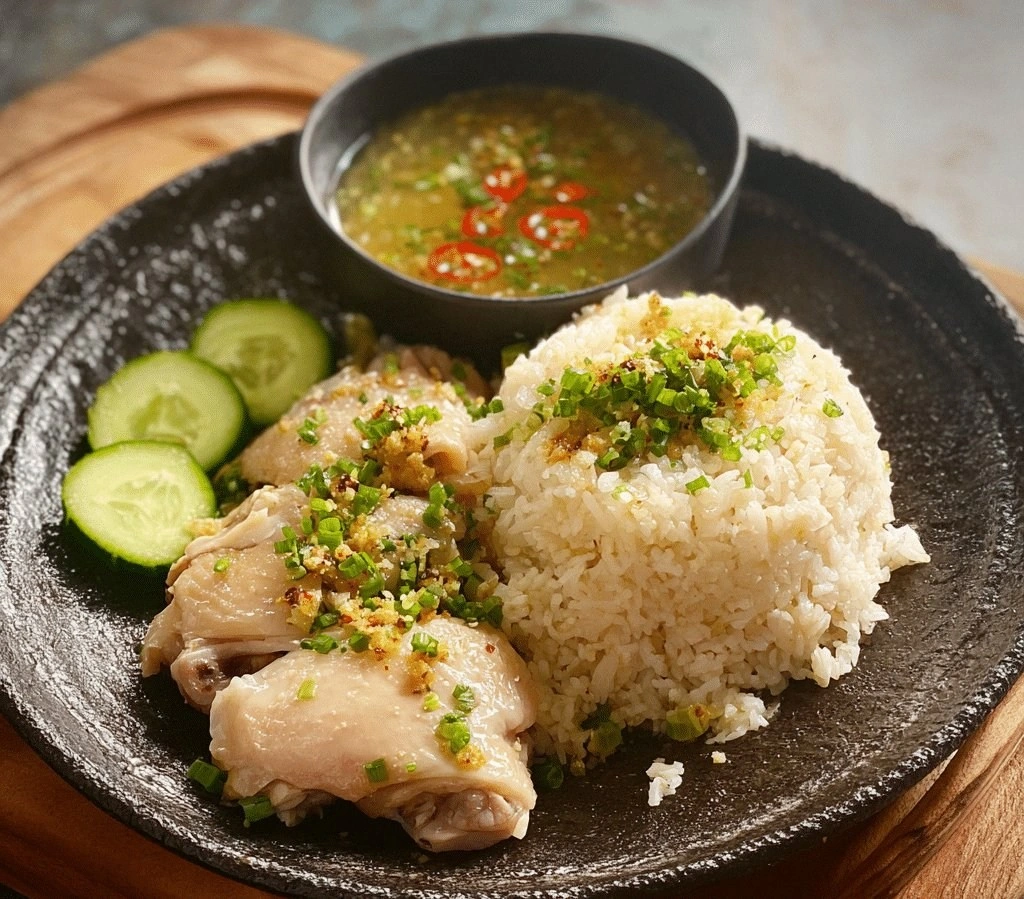
- Visual Appeal: The contrast between the pale, translucent chicken and the golden, fragrant rice makes the dish as pleasing to the eye as it is to the palate.
Alright, let’s break down exactly what goes into this masterpiece…
Inside the Ingredient List
The Flavor Base
The backbone of any great Hainanese Chicken Rice is the stock. I use a whole chicken, a 1‑inch piece of fresh ginger, 4 cloves of garlic, and 3 scallions. These aromatics simmer together for at least 30 minutes, infusing the water with a subtle, yet profound, umami profile. If you skip the ginger, the broth loses its bright, citrusy lift, making the dish feel flat.
Another essential is soy sauce, which provides depth and a hint of saltiness. I recommend a light, low‑sodium version to keep the balance subtle. Swapping it for a splash of fish sauce gives a briny twist that’s worth trying if you’re adventurous. When you’re buying soy sauce, look for one with a dark color—it means it’s aged and richer in flavor.
Sesame oil is the finishing touch, adding a nutty aroma that lingers on the tongue. A teaspoon is enough to coat the chicken and rice, but if you prefer a more pronounced nutty flavor, double it. The trick is to add it at the end, not during cooking, to preserve its delicate notes.
Finally, pepper and salt are the unsung heroes. Pepper brings a gentle heat that complements the mellow broth, while salt ensures the flavors are bright and cohesive. Remember: salt to taste is a common phrase, but in this dish, a pinch of salt after the rice is cooked brings everything together.
The Texture Crew
The rice is the star that carries the broth’s flavor. I use medium‑grain jasmine rice because its natural stickiness helps it absorb the stock without becoming mushy. Rinse the rice under cold water until the water runs clear to remove excess starch, preventing clumping.
When cooking the rice, add it to the stock after the chicken has been removed, allowing the grains to soak up the savory liquid. Stir once midway to ensure even absorption. If you add too much rice, it will become gummy; if too little, it will be dry.
The chicken itself is poached in the same stock, but I add a splash of water to ensure the meat stays moist. The goal is a translucent, almost translucent, appearance. If you leave the chicken in the stock for too long, it can become rubbery.
For an extra layer of texture, serve the dish with a side of lightly sautéed green beans or crisp cucumber slices. The crunch balances the softness of the chicken and rice.
The Unexpected Star
Although not always highlighted, the humble garlic plays a pivotal role. When sliced thinly and added early, it releases a sweet, mellow aroma that permeates the broth. If you prefer a sharper bite, leave the cloves whole and remove them before serving.
The scallions, sliced thinly, add a fresh, oniony note that brightens the dish. Their green tops can be reserved for garnish, creating a pop of color that makes the plate look as good as it tastes.
Some versions incorporate a touch of star anise or cinnamon, but I keep it simple to let the natural flavors shine. If you’re curious, try adding a single star anise during the stock simmer; it will give a subtle licorice undertone that pairs wonderfully with the sesame oil.
Lastly, a splash of rice vinegar in the sauce adds a bright acidity that cuts through the richness, giving the dish a well‑rounded finish.
The Final Flourish
Before plating, drizzle the sesame oil over the chicken and rice. This not only adds flavor but also gives the dish a glossy sheen that’s irresistible to the eye. The oil should be hot enough to sizzle slightly when it hits the surface, creating a subtle aroma that invites you to dig in.
Garnish with fresh cilantro or chopped green onions for a burst of color and freshness. A wedge of lime on the side offers a citrusy twist that brightens each bite.
Serve immediately, as the rice can become dry if left to sit. If you need to keep it warm, place the plate in a preheated oven at 180°C (350°F) for a few minutes, but avoid overcooking.
Everything’s prepped? Good. Let’s get into the real action…
The Method — Step by Step
- Prepare the Stock: In a large pot, combine the whole chicken, ginger, garlic, and scallions. Add enough water to cover the chicken by an inch, then bring to a boil. Once boiling, reduce heat to a gentle simmer and let it cook for 30 minutes. The goal is a clear, fragrant broth that carries the chicken’s natural flavors.
- Extract the Chicken: Remove the chicken from the pot and set it aside to rest. While it cools, strain the broth through a fine sieve to remove solids, ensuring a silky liquid. The broth should be free of any cloudiness, like a glass of clear tea.
- Cook the Rice: Rinse the jasmine rice until the water runs clear, then drain. Add the rice to the strained broth, bring to a boil, then reduce to low heat. Cover and simmer for 18 minutes, or until the rice is tender and has absorbed the liquid.
- Poach the Chicken: In a separate pot, add the chicken back into the fresh broth, along with a splash of water to keep it moist. Simmer gently for 10 minutes, ensuring the chicken remains translucent. This step gives the meat a silky texture that melts in your mouth.
- Finish the Chicken: Remove the chicken from the broth, pat dry with paper towels, and let it rest for 5 minutes. This resting period allows the juices to redistribute, keeping the meat juicy.
- Prepare the Sauce: In a small saucepan, combine 2 tablespoons of soy sauce, 1 teaspoon of sesame oil, 1 teaspoon of pepper, and a pinch of salt. Warm gently over low heat until the flavors meld. The sauce should be fragrant, not overpowering.
- Plate the Dish: Place a generous portion of rice on a plate, lay the sliced chicken on top, and drizzle the sauce over both. Garnish with scallions, cilantro, and a wedge of lime for a bright finish.
- Serve Immediately: The rice should be warm and fluffy, the chicken tender, and the sauce glossy. Serve with a side of chili sauce or ginger paste for those who like a bit of heat.
That's it — you did it. But hold on, I've got a few more tricks that'll take this to another level. Trust me, once you master these nuances, you'll be the go-to chef in your friend circle.
Insider Tricks for Flawless Results
The Temperature Rule Nobody Follows
Many cooks think that boiling the rice at a high temperature is best, but a low simmer preserves the rice’s natural texture. I always set the heat to low after the first boil, then cover and let it steam gently. This method prevents the grains from breaking apart and ensures a fluffy outcome.
Why Your Nose Knows Best
Before you taste the broth, inhale deeply. If it’s too bland, add a pinch of salt or a splash of soy sauce. Your nose can detect subtle imbalances that your eyes might miss, giving you a chance to tweak before plating.
The 5‑Minute Rest That Changes Everything
Letting the chicken rest after poaching is a game‑changer. It allows the juices to redistribute, making each bite moist and flavorful. Skipping this step results in a dry, rubbery texture that ruins the dish’s reputation.
Use Fresh Ingredients for a Brighter Flavor
Fresh ginger and garlic carry a punchier aroma than their dried counterparts. If you’re in a hurry, use dried, but remember to reduce the quantity by about a third to avoid overpowering the broth.
Garnish with a Twist
Instead of plain cilantro, try a handful of fresh Thai basil for an herbal aroma that pairs beautifully with the sesame oil. It’s a small change that elevates the dish’s overall profile.
Make It a Crowd‑Pleaser
Serve the dish family‑style with a communal bowl of chili sauce and a bowl of ginger paste. This encourages interaction and lets each guest customize their flavor profile, turning a simple meal into a shared experience.
Creative Twists and Variations
This recipe is a playground. Here are some of my favorite ways to switch things up:
Seafood Surprise
Swap the chicken for a whole fish, such as snapper or tilapia, and poach it in the same stock. The fish will absorb the broth’s flavors, creating a delicate, oceanic twist that pairs well with the rice.
Spicy Kick
Introduce a handful of sliced fresh chilies into the broth while it simmers. The heat will infuse the rice and chicken, giving the dish a subtle, lingering spice that’s perfect for heat lovers.
Herb‑Infused Rice
Add a sprig of fresh lemongrass to the stock, or a handful of kaffir lime leaves. The citrusy aroma will elevate the dish, adding a layer of brightness that contrasts beautifully with the savory broth.
Vegetarian Version
Replace the chicken with a block of tofu, marinated in soy sauce, ginger, and garlic. Cook the tofu in the stock until it soaks up the flavors, then serve with the aromatic rice.
Gluten‑Free Twist
Use cauliflower rice instead of jasmine rice. The texture is different, but the stock’s flavor permeates the florets, creating a lighter, low‑carb alternative.
Breakfast Take‑Away
Serve the dish with a side of poached eggs and a drizzle of hot sauce. The combination of savory rice, tender chicken, and rich yolk turns a dinner classic into a hearty breakfast.
Storing and Bringing It Back to Life
Fridge Storage
Cool the rice and chicken to room temperature before placing them in airtight containers. Store separately in the refrigerator for up to 3 days. When reheating, add a splash of water or broth to the rice to restore moisture.
Freezer Friendly
Freeze the stock in individual portions. The frozen broth can be thawed overnight and reheated for a quick meal. The chicken can be stored in the freezer for up to 6 months; reheat gently to avoid drying.
Best Reheating Method
Use a steamer or a microwave with a damp paper towel over the rice to keep it fluffy. For the chicken, wrap it in foil and heat at 150°C (300°F) for 10 minutes. A tiny splash of water before reheating will steam the rice back to perfection.