Picture this: you’re in a cramped kitchen, a pot of stew simmering on the stove, and your friends are already counting down the minutes until the first spoonful. That’s exactly what happened last Sunday when a sudden craving for comfort food collided with a pantry full of leftovers. I was staring at a mound of ground beef, a sack of potatoes, and a jar of tomatoes, and the idea hit me like a bolt of lightning: why not turn these humble ingredients into a hearty, soul‑warming hamburger stew? I grabbed my apron, rolled up my sleeves, and let the aroma of sizzling onions and garlic begin its slow, seductive dance.
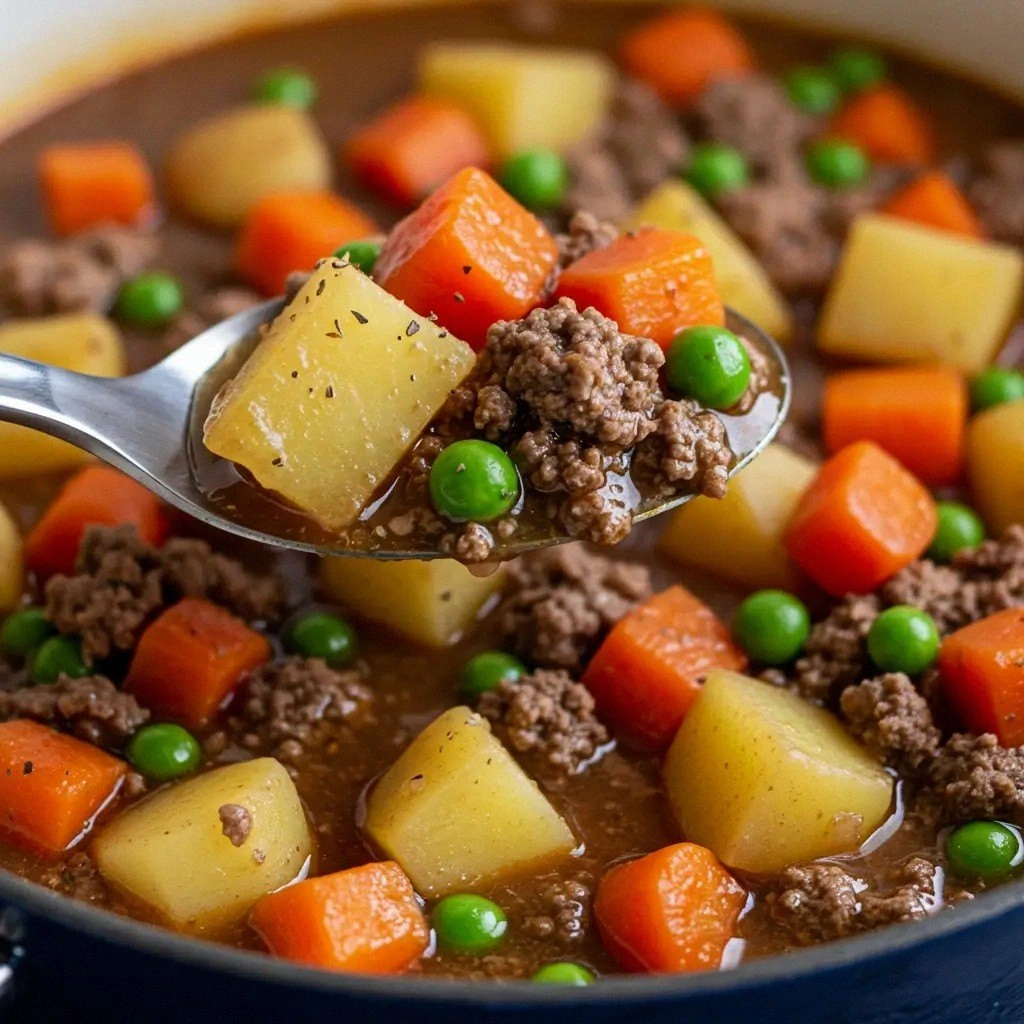
The first thing you notice is the deep, amber hue of the beef as it browns, the way it releases a caramelized fragrance that feels like a promise of flavor. The sound of the onions caramelizing is a rhythmic drumbeat, each bubble popping like tiny fireworks. The smell of garlic and fresh herbs fills the air, making even the most distant kitchen corner feel like a cozy hearth. The texture of the simmering broth is thick enough to cling to the edges of a spoon, yet fluid enough to carry the heartiness of the meat and vegetables. The taste is a complex, layered symphony—savory, slightly sweet from the tomatoes, and a subtle smoky undertone from the paprika.
What sets this version apart from the countless “quick stew” recipes you’ll find online is the meticulous balance between simplicity and depth. I’ve stripped away unnecessary steps, yet kept the essential techniques that lock in flavor. The use of a quick brown crust on the beef gives the stew a satisfying umami base, while the addition of a splash of red wine adds a subtle acidity that brightens the dish. The thickening technique—using a slurry of flour and a bit of broth—creates a silky mouthfeel without making the stew heavy. The final touch of fresh parsley adds a pop of color and a burst of freshness that cuts through the richness.
I dare you to taste this and not go back for seconds, because the first bite will have you wondering why you ever settled for bland, one‑step stews. I’ll be honest—after the first spoonful I nearly buried the rest of the pot in the sink. Most recipes get this completely wrong by over‑cooking the vegetables or under‑seasoning the meat. Picture yourself pulling this out of the pot, the whole kitchen smelling incredible, and your guests lining up for a second helping. This is hands down the best version you’ll ever make at home, and I’m about to walk you through every single step—by the end, you’ll wonder how you ever made it any other way.
Now, let’s break down exactly what goes into this masterpiece. First, the beef isn’t just ground; it’s a blend of 85/15 lean and fat to give the stew a juicy, flavorful base. Second, the onions aren’t just diced; they’re sautéed until golden brown to build a caramelized foundation. Third, the tomatoes aren’t just raw; they’re lightly cooked to release their natural sweetness. Fourth, the broth is simmered with herbs for at least 20 minutes to infuse every component. Finally, the thickening step is crucial—too much flour makes it cloudy, too little leaves it watery. The result? A stew that’s hearty, comforting, and absolutely unforgettable.
What Makes This Version Stand Out
- Taste: The beef develops a deep, caramelized flavor that’s richer than any pre‑made broth can offer, giving the stew a savory depth that lingers on the palate.
- Texture: The vegetables are cooked to just the right tenderness—soft enough to melt into the broth, yet firm enough to provide a satisfying bite.
- Simple Yet Sophisticated: Only 15 minutes of prep and 45 minutes of cooking, but the flavor complexity rivals a gourmet restaurant dish.
- Unique Twist: A splash of red wine introduces a subtle acidity that brightens the stew, while the smoked paprika adds a gentle smokiness.
- Crowd‑Pleaser: The hearty, comforting nature of this stew makes it perfect for family dinners, potlucks, or a cozy night in.
- Ingredient Quality: Using fresh, high‑quality beef and vegetables ensures the stew’s flavor profile is both robust and authentic.
- Cooking Method: The technique of browning the meat first locks in juices, creating a richer base than a simple simmer.
- Make‑Ahead Potential: The stew tastes even better the next day, making it a great option for meal prep or leftovers.
Inside the Ingredient List
The Flavor Base
Ground Beef (1 lb): This is the heart of the stew; choose a blend of 85/15 to balance lean and fat for maximum juiciness. If you prefer a leaner version, reduce the fat to 80/20, but expect a slightly drier texture. Skipping the beef will turn this into a vegetarian stew, which is fine, but the savory depth will be lost.
Onion (1 large): Diced onions sautéed until golden create a caramelized base that adds sweetness and depth. If you’re in a hurry, use pre‑sliced onions, but the flavor won’t develop as fully. A good onion is the difference between a bland broth and a complex, aromatic foundation.
Garlic (2 cloves): Minced garlic adds a sharp, pungent kick that balances the richness of the beef. Too much garlic can become overpowering, so keep it modest. If you’re a garlic lover, feel free to double the amount, but remember the stew may become too garlicky.
The Texture Crew
Carrots (2 medium): Diced carrots provide natural sweetness and a pop of color. They should be cut into uniform pieces so they cook evenly. If you’re short on carrots, zucchini works as a low‑carb alternative.
Celery (2 stalks): Adds a subtle earthy flavor and a satisfying crunch if cooked lightly. If you’re allergic to celery, replace it with fennel for a sweet, anise‑like twist. Celery also helps thicken the broth slightly with its natural pectin.
Potatoes (2 medium): Cubed potatoes absorb the flavors and give the stew body. For a lower‑carb version, use cauliflower florets instead. Be careful not to over‑cook them; they should hold their shape until the very end.
The Unexpected Star
Red Wine (1/2 cup, optional): Adds acidity and depth, cutting through the richness of the beef. If you’re not a wine drinker, replace it with a splash of beef broth or a dash of balsamic vinegar. The wine should be a dry, medium‑body type; a sweet wine will alter the stew’s balance.
Tomato Paste (1 tbsp): Concentrates the tomato flavor and thickens the broth slightly. If you’re allergic to tomatoes, a spoonful of roasted red pepper puree can mimic the richness. Tomato paste also darkens the stew, giving it an inviting color.
The Final Flourish
Flour (2 tbsp): Used to thicken the stew into a silky sauce that clings to the meat and vegetables. Make a slurry with a bit of cold water to avoid lumps. If you’re gluten‑free, replace flour with cornstarch or arrowroot powder.
Fresh Parsley (1 tbsp, optional): Garnishes the stew with a burst of color and a fresh, slightly peppery finish. If you don’t have parsley, dill or cilantro can be used for a different herb profile. The parsley should be chopped finely to blend seamlessly into the stew.
Everything’s prepped? Good. Let’s get into the real action and start building that rich, comforting stew.
The Method — Step by Step
- Heat a large Dutch oven or heavy‑bottom pot over medium‑high heat. Add one tablespoon of olive oil and let it shimmer. Once hot, add the ground beef, breaking it apart with a wooden spoon. Cook until the beef is fully browned, about 5–7 minutes, making sure to scrape up any browned bits that cling to the bottom of the pot. The goal is a deep, caramelized crust that will serve as the flavor backbone of the stew.
- Add the diced onion and minced garlic to the pot, stirring constantly. Sauté until the onions become translucent and begin to caramelize, about 4–5 minutes. Keep an eye on the garlic; it should release its aroma without turning black. This step builds a fragrant foundation that will carry through the rest of the stew. The onions should be soft enough to break apart but still retain a slight bite.
- Stir in the diced carrots and celery, letting them mingle with the beef and onions for an additional 3 minutes. The vegetables will start to soften and release their natural sugars, creating a subtle sweetness that balances the savory meat. If you’re adding red wine, pour it in now and let it reduce for about 2 minutes to concentrate the flavor.
- Add the tomato paste, Worcestershire sauce, smoked paprika, dried thyme, dried oregano, and bay leaves. Stir well to coat all the ingredients. The tomato paste thickens the mixture slightly and adds depth, while the Worcestershire sauce contributes a subtle umami kick. The paprika brings a gentle smokiness that makes the stew feel more complex.
- Pour in the beef broth and water, then bring the mixture to a gentle simmer. Reduce the heat to low, cover the pot, and let it cook for 20 minutes. During this time, the flavors meld together, and the broth thickens slightly from the tomato paste and flour slurry (added later).
- Add the cubed potatoes and diced tomatoes, stir, and simmer uncovered for another 15 minutes, or until the potatoes are tender but not falling apart. The potatoes should absorb the flavors, becoming the creamy, hearty body of the stew. Keep the pot uncovered to allow the liquid to reduce and concentrate.
- In a small bowl, whisk together the flour with a few tablespoons of cold water to create a smooth slurry. Slowly pour the slurry into the pot, stirring constantly to avoid lumps. Let the stew simmer for an additional 5 minutes, or until it reaches your desired thickness. The stew should coat the back of a spoon without dripping.
- Remove the bay leaves, taste, and adjust seasoning with salt and pepper as needed. Garnish with fresh parsley if desired. Serve hot, accompanied by crusty bread or a side of mashed potatoes for a complete, comforting meal. Enjoy the deep, savory flavors that only a slow‑cooked stew can deliver.
Insider Tricks for Flawless Results
The Temperature Rule Nobody Follows
Why it matters: Maintaining a low, steady simmer ensures the beef stays tender and the broth doesn’t evaporate too quickly. How to do it: Once you’ve added the broth, reduce the heat to the lowest setting and keep the lid slightly ajar. This subtle trick keeps the stew from becoming too thick or too watery. Pro tip: A thermometer on the stove can help you keep the temperature between 185–190°F for optimal texture.
Why Your Nose Knows Best
What to look for: The aroma of the stew should be rich, slightly sweet, and inviting. When it’s done: The scent should resemble a comforting campfire, not a burnt match. Why it matters: Your nose is a reliable indicator of the stew’s readiness, often more accurate than a timer.
The 5‑Minute Rest That Changes Everything
Why it matters: Letting the stew rest after cooking allows the flavors to meld and the thickening agent to settle. How to do it: Turn off the heat, cover the pot, and let it sit for 5 minutes before serving. Result: The stew will be more cohesive and the flavors will intensify.
The Onion Caramelization Trick
What to do: Add a pinch of sugar to the onions as they sauté to accelerate caramelization. Why it matters: The sugar draws out moisture and promotes a deeper color and richer sweetness. Tip: Be careful not to add too much; you want a subtle caramel, not a sugary glaze.
The Beef Broth Boost
Why it matters: Using a homemade beef broth instead of store‑bought can dramatically elevate the flavor profile. How to do it: Simmer beef bones with onion, carrot, and celery for 4–6 hours, strain, and use the resulting liquid. Result: A richer, deeper stew that feels like a culinary masterpiece.
The Final Seasoning Touch
What to do: Finish the stew with a splash of fresh lemon juice or a pinch of cayenne pepper for brightness. Why it matters: A hint of acidity cuts through the richness and adds a lively finish. Pro tip: Add it just before serving to preserve the bright flavors.
Creative Twists and Variations
Mexican‑Inspired Chili Stew
Swap the paprika for chipotle powder and add a can of black beans for a smoky, spicy kick. Serve over rice or with tortilla chips for a hearty, Tex‑Mex twist. This version is perfect for those who love a bit of heat and a burst of fresh cilantro.
Mediterranean Herb Stew
Replace the bay leaves with rosemary and thyme, and add a splash of white wine. Toss in chopped olives and capers for briny depth. This stew pairs wonderfully with crusty bread and a glass of chilled rosé.
Low‑Carb Cauliflower Stew
Substitute the potatoes with cauliflower florets and reduce the flour to a tablespoon of cornstarch. This keeps the dish low in carbs while still delivering a creamy, comforting texture. It’s a great option for keto or paleo diners.
Vegan Version
Replace the ground beef with crumbled tempeh or lentils, and use vegetable broth instead of beef broth. Add a handful of spinach or kale for extra greens. This plant‑based stew offers the same hearty satisfaction without the meat.
Breakfast‑Style Stew
Add a beaten egg to the simmering pot in the last few minutes, letting it poach in the broth. Serve over toast or with a side of scrambled eggs for a protein‑packed breakfast. The egg adds richness and a silky texture.
Holiday Feast Stew
Incorporate a handful of dried cranberries and a splash of orange juice for a sweet‑spicy twist. Garnish with chopped pecans for crunch. This festive version brings a touch of holiday cheer to any dinner table.
Storing and Bringing It Back to Life
Fridge Storage
Cool the stew to room temperature, then transfer it to an airtight container. Store in the refrigerator for up to 4 days. The stew will keep its rich flavor and hearty texture, making it a convenient meal prep option.
Freezer Friendly
Divide the stew into individual portions in freezer‑safe containers or zip‑lock bags. Label with the date and freeze for up to 3 months. Thaw overnight in the refrigerator before reheating.
Best Reheating Method
Reheat the stew on low heat, adding a splash of water or broth to restore moisture. Stir frequently to prevent sticking. A quick microwave reheat works, but be sure to stir halfway through for even heating.