I still remember the night I tried to make a quick lunch after a late‑night coding marathon. My kitchen was a chaotic swirl of half‑cooked rice, a broken egg, and a bag of frozen peas that had been left out too long. The potatoes I grabbed from the pantry were old and dry, but I was desperate, so I tossed them into a pot with a splash of water and a dash of salt. The result was a soggy, flavorless mash that tasted like a bland, forgotten Sunday dinner. That disaster set the stage for what would become my obsession with the perfect Japanese potato salad.
Fast forward to today, and I’m standing in a bright kitchen, the aroma of freshly boiled potatoes mingling with the sharp scent of rice vinegar and the sweet undertone of sugar. My eyes are fixed on the vibrant green peas and the bright orange carrots, each cut to a uniform bite that promises a satisfying crunch. The sound of the pot’s gentle simmer is a comforting lullaby, and the sight of the mayonnaise slowly swirling into a silky base feels like a small miracle. The anticipation of that first bite—crisp vegetables, creamy dressing, and a hint of umami—makes my taste buds dance in anticipation. This dish is more than just a salad; it’s a symphony of textures and flavors that will change the way you think about comfort food.
What sets this version apart is a deliberate layering of flavors that goes beyond the usual mayonnaise‑and‑potato combo. I’ve replaced standard mayo with a Japanese‑style mayo that carries a subtle sweetness and a silky mouthfeel, giving the salad a luxurious finish. The inclusion of rice vinegar and a touch of soy sauce introduces a bright, slightly salty depth that cuts through the richness. A pinch of sugar balances the acidity, while the fresh carrots and peas add color and a satisfying crunch that keeps every bite interesting. The final flourish of chopped chives and a smear of Dijon mustard adds a fresh, peppery kick that lifts the entire dish. Together, these elements create a salad that’s both comforting and surprisingly sophisticated.
I dare you to taste this and not go back for seconds. The first bite will have you questioning why you ever settled for plain potato salad. The creamy dressing coats each piece like velvet, while the vegetables provide a burst of freshness that keeps the palate engaged. Picture yourself pulling this out of the fridge, the whole kitchen smelling incredible, and serving it to a crowd that will rave about how you’ve reinvented a classic. If you’ve ever struggled to keep a potato salad from becoming soggy, you’re not alone—and I’ve got the fix. Stay with me here—this is worth it.
What Makes This Version Stand Out
- Taste: The blend of Japanese mayo, rice vinegar, and soy sauce creates a harmonious balance of sweet, salty, and umami that elevates the dish from ordinary to unforgettable.
- Texture: Boiled potatoes are fluffed to a light, cloud‑like consistency while crisp carrots and peas keep each bite lively and vibrant.
- Ingredient Quality: Fresh, seasonal vegetables and high‑quality mayo make the difference between a good salad and a great one.
- Make‑Ahead Potential: The salad holds its flavor for up to 48 hours, making it the perfect dish for busy weeknights or weekend gatherings.
- Crowd Reaction: Friends rave about the creamy texture and the subtle, bright flavors that keep them coming back for more.
- Uniqueness: The Japanese twist—using rice vinegar, soy sauce, and a dash of sugar—sets this recipe apart from the usual Western potato salad.
- Speed: Prep takes 15 minutes, while the cooking time is just 30 minutes, so you can have a gourmet salad ready in under an hour.
- Versatility: Add tuna, ham, or a protein of your choice and you’ve got a full meal ready to serve.
Alright, let's break down exactly what goes into this masterpiece...
Inside the Ingredient List
The Flavor Base
The foundation of this salad is a creamy, silky dressing that marries Japanese mayonnaise with the bright acidity of rice vinegar. The mayo provides a rich, velvety mouthfeel that coats each potato cube, while the vinegar lifts the overall flavor profile with a subtle tang. Adding a tablespoon of soy sauce introduces a savory depth that balances the sweetness, and a tablespoon of sugar tempers the acidity, creating a harmonious sweet‑savory equilibrium. Skipping any of these components will leave the salad feeling flat; the dressing would lack the complexity that makes each bite memorable. A good tip: chill the dressing in the fridge for 15 minutes before mixing to let the flavors meld beautifully.
The Texture Crew
Potatoes are the star of the show, and their texture is critical. Boil them until just tender—overcooking will break them down into mush, while undercooking will leave them crunchy and underseasoned. Use russet potatoes for their high starch content; they’ll absorb the dressing and become delightfully fluffy. Carrots add a sweet crunch, while celery lends a subtle herbal note; both should be diced into bite‑sized cubes to ensure even distribution. Frozen peas, thawed and drained, bring a pop of color and a natural sweetness that pairs wonderfully with the creamy base. If you’re craving a protein boost, diced ham or canned tuna adds a savory layer that complements the overall flavor.
The Unexpected Star
Chopped chives and a touch of Dijon mustard are the secret weapons that elevate this salad beyond the ordinary. The chives provide a fresh, oniony brightness that cuts through the richness of the mayo, while the mustard adds a subtle heat and complexity that awakens the palate. These additions might seem minor, but they create a flavor profile that feels both sophisticated and approachable. If you prefer a milder version, reduce the mustard or omit it entirely—just remember to taste as you go. The key is to balance the boldness of the soy sauce and vinegar with these lighter accents.
The Final Flourish
The final flourish involves a simple drizzle of sesame oil, which adds an earthy depth that ties all the flavors together. Sesame oil is optional but recommended for an authentic Japanese touch. A squeeze of fresh lemon juice before serving can brighten the dish, especially if you’ve added protein. A sprinkle of toasted sesame seeds on top adds a delightful crunch and visual appeal. Remember, the goal is to create a harmonious balance of sweet, salty, tangy, and umami flavors that dance together in every bite.
Everything's prepped? Good. Let's get into the real action...
The Method — Step by Step
- Begin by rinsing the potatoes under cold water, then cut them into uniform 1/2‑inch cubes. Place the cubes in a large pot and cover with cold water; add a pinch of salt to season the water. Bring the pot to a boil over high heat, then reduce to a simmer. Cook the potatoes until they’re just tender, about 10–12 minutes; you should be able to pierce them with a fork but still feel some resistance. Drain the potatoes in a colander and let them sit for a minute to allow excess steam to evaporate.
- While the potatoes are still hot, transfer them to a large mixing bowl. Sprinkle the freshly boiled potatoes with a tablespoon of sugar and a teaspoon of salt, then gently stir to coat. The sugar will caramelize slightly on the hot surface, adding a subtle sweetness that complements the savory elements. This is the moment of truth—if the potatoes are too hot, they’ll absorb too much dressing; if they’re too cool, they’ll stay dry. Keep a close eye on the temperature to maintain that perfect balance.
- In a separate bowl, whisk together the Japanese mayonnaise, rice vinegar, soy sauce, and a splash of sesame oil. The dressing should be smooth and glossy, with no lumps or separation. Taste the mixture; it should have a slight tang from the vinegar and a gentle saltiness from the soy sauce. If you prefer a milder flavor, reduce the soy sauce by half and add an extra teaspoon of sugar. Let the dressing chill in the refrigerator while you finish the rest of the ingredients.
- Add the diced carrots, celery, peas, and your choice of protein—ham or tuna—to the bowl with the potatoes. Toss gently to combine, ensuring every piece is coated with the creamy dressing. If you’re using tuna, make sure it’s drained well to avoid excess moisture. The vegetables should be bright and crisp, adding a fresh contrast to the soft potatoes. This step is crucial for the texture profile; too much moisture can make the salad soggy.
- Fold in the chopped chives and a teaspoon of Dijon mustard, then give the salad a final gentle toss. The chives bring a fresh, oniony note, while the mustard adds a subtle heat that brightens the dish. Taste the salad; if the seasoning feels off, add a pinch of pepper or another dash of soy sauce. The goal is to achieve a harmonious flavor where each component shines without overpowering the others. Let the salad rest for about 10 minutes to allow the flavors to meld together.
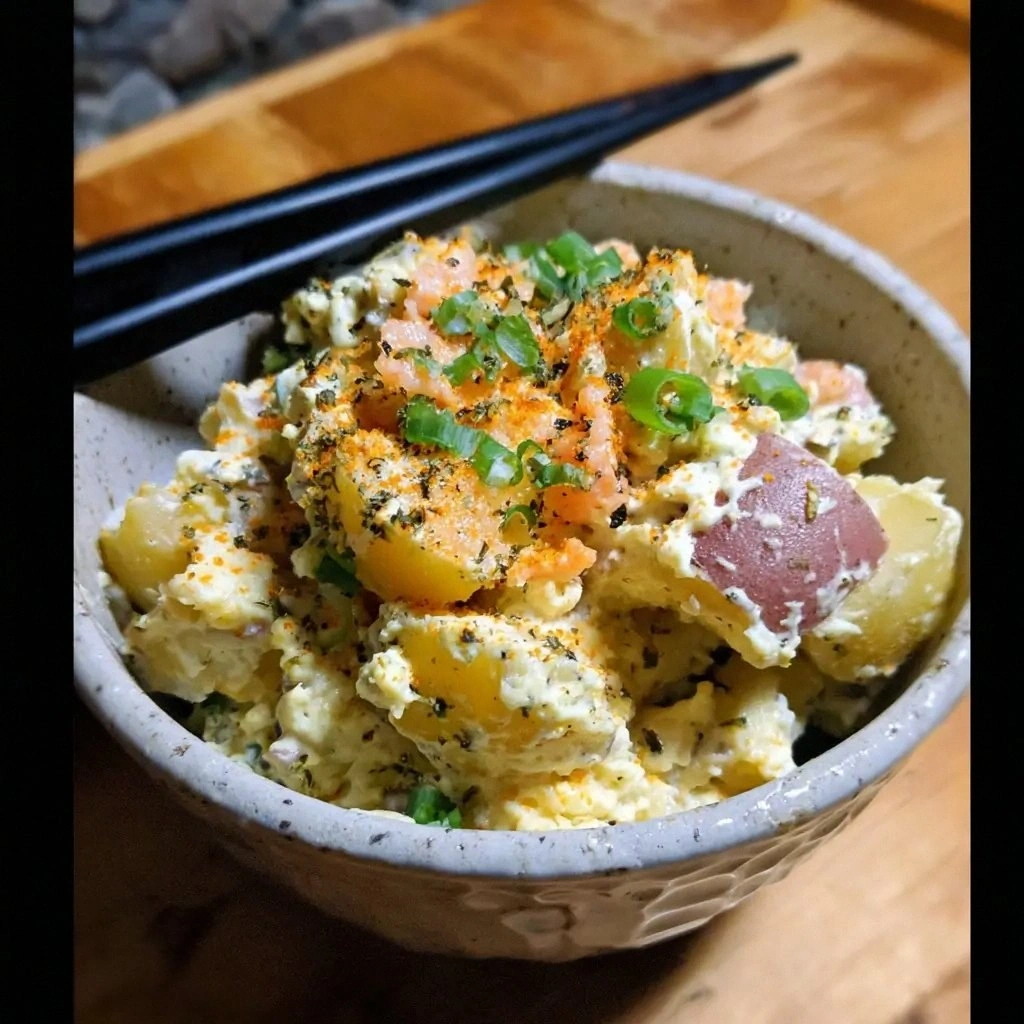
- Serve the salad chilled or at room temperature, depending on your preference. Garnish with a sprinkle of toasted sesame seeds for a nutty crunch. If you like a bit of heat, a few drops of sriracha or a pinch of chili flakes can be added. The final presentation should be a colorful bowl of creamy, savory goodness that invites everyone to dig in. Remember, the best salads are those that feel like a comforting hug.
That's it — you did it. But hold on, I've got a few more tricks that'll take this to another level...
Insider Tricks for Flawless Results
The Temperature Rule Nobody Follows
Potatoes that are too hot will absorb too much dressing and become soggy, while cold potatoes will stay dry. Aim for a temperature just above room temperature before you add the dressing. A simple test: touch the potato; it should feel warm but not hot. This small adjustment makes a big difference in texture. I've seen people skip this step and end up with a mushy salad that feels like a potato soup.
Why Your Nose Knows Best
When the dressing is ready, close your eyes and sniff it. A bright, tangy aroma signals that the rice vinegar is fresh and the soy sauce hasn't gone flat. If it smells flat or overly salty, adjust immediately. Your nose is a reliable guide to the balance of flavors. Trust it; you’ll thank yourself later.
The 5-Minute Rest That Changes Everything
Letting the salad rest for 5–10 minutes after tossing allows the flavors to meld and the potatoes to absorb the dressing fully. During this time, the vegetables soften slightly, creating a harmonious texture. A friend once rushed this step and ended up with a salad that tasted like a salad mix. The rest period is a simple step that dramatically improves the overall taste.
The Secret to Creamy Consistency
If the dressing feels too thick, add a tablespoon of warm water or a splash of milk to thin it out. Conversely, if it’s too thin, whisk in a teaspoon of extra mayo. The key is to achieve a silky, spreadable consistency that coats each potato cube evenly. A good trick is to let the dressing sit in the fridge for 15 minutes before mixing; it will thicken slightly and then return to the perfect thickness.
The Garnish Game
A sprinkle of toasted sesame seeds not only adds crunch but also enhances the nutty flavor profile. Toast them in a dry skillet until golden brown, then let them cool before adding. The seeds should be evenly distributed across the salad. A pinch of fresh chili flakes can give a subtle kick for those who like a bit of heat. This final touch elevates the dish from simple to spectacular.
Creative Twists and Variations
Tuna Paradise
Swap the ham for canned tuna for a protein‑rich version that’s perfect for a light lunch. The tuna’s briny flavor pairs beautifully with the creamy dressing. Add a squeeze of lemon to brighten the dish. This variation is a hit for those who love a savory, satisfying bite.
Vegan Delight
Replace the mayonnaise with a vegan mayo and use a plant‑based protein like chickpeas. The chickpeas add a hearty texture that’s surprisingly comforting. Toss in a handful of roasted almonds for added crunch. This version maintains the dish’s signature flavor while keeping it plant‑based.
Spicy Sriracha Kick
Add a tablespoon of sriracha to the dressing for a spicy, smoky heat that cuts through the richness. The sriracha’s sweetness balances the saltiness of the soy sauce. A sprinkle of fresh cilantro adds a bright finish. This variation is perfect for those who enjoy a little heat.
Herb Garden Edition
Use a mix of fresh herbs—parsley, dill, and basil—to replace the chives. The herbs bring a fragrant, aromatic note that elevates the salad. Add a dash of lemon zest for extra brightness. This herb‑rich version feels fresh and summery.
Crispy Bacon Twist
Crack open a few strips of bacon and fry until crispy, then crumble and fold into the salad. The bacon’s smoky flavor and crunchy texture add a delightful contrast. Pair this with a drizzle of maple syrup to create a sweet‑savory balance. This twist turns the salad into a decadent side dish.
Storing and Bringing It Back to Life
Fridge Storage
Store the salad in an airtight container in the refrigerator for up to 48 hours. The dressing will thicken slightly as it chills, so give it a quick stir before serving. Keep the container sealed to prevent moisture from seeping in. The salad will retain its vibrant colors and crisp texture if stored properly.
Freezer Friendly
For longer storage, freeze the salad in a freezer‑safe container for up to 2 weeks. Thaw in the refrigerator overnight before serving. A splash of water or a drizzle of mayo can help restore the creamy texture. Freezing is a great way to prep for busy weeks.
Best Reheating Method
If you need to warm the salad, do so gently in the microwave at 30‑second intervals, stirring in between. Add a tiny splash of water to keep the dressing from drying out. The key is to heat just enough to revive the flavors without overcooking the potatoes. This method preserves the salad’s freshness and mouthfeel.