I was standing in my kitchen, surrounded by the chaotic aftermath of a last‑night pizza experiment that turned into a disaster of melted cheese and a charred crust, when a friend texted me, “You need a sweet, light thing to clean up the mess.” I stared at the soggy pizza, the air thick with the scent of burnt mozzarella, and thought, “If I could pull a sweet, refreshing sorbet out of this mess, it would feel like a victory.” That moment sparked the idea for the Lemon Basil Sorbet, a dish that feels like a breath of fresh air after a culinary catastrophe.
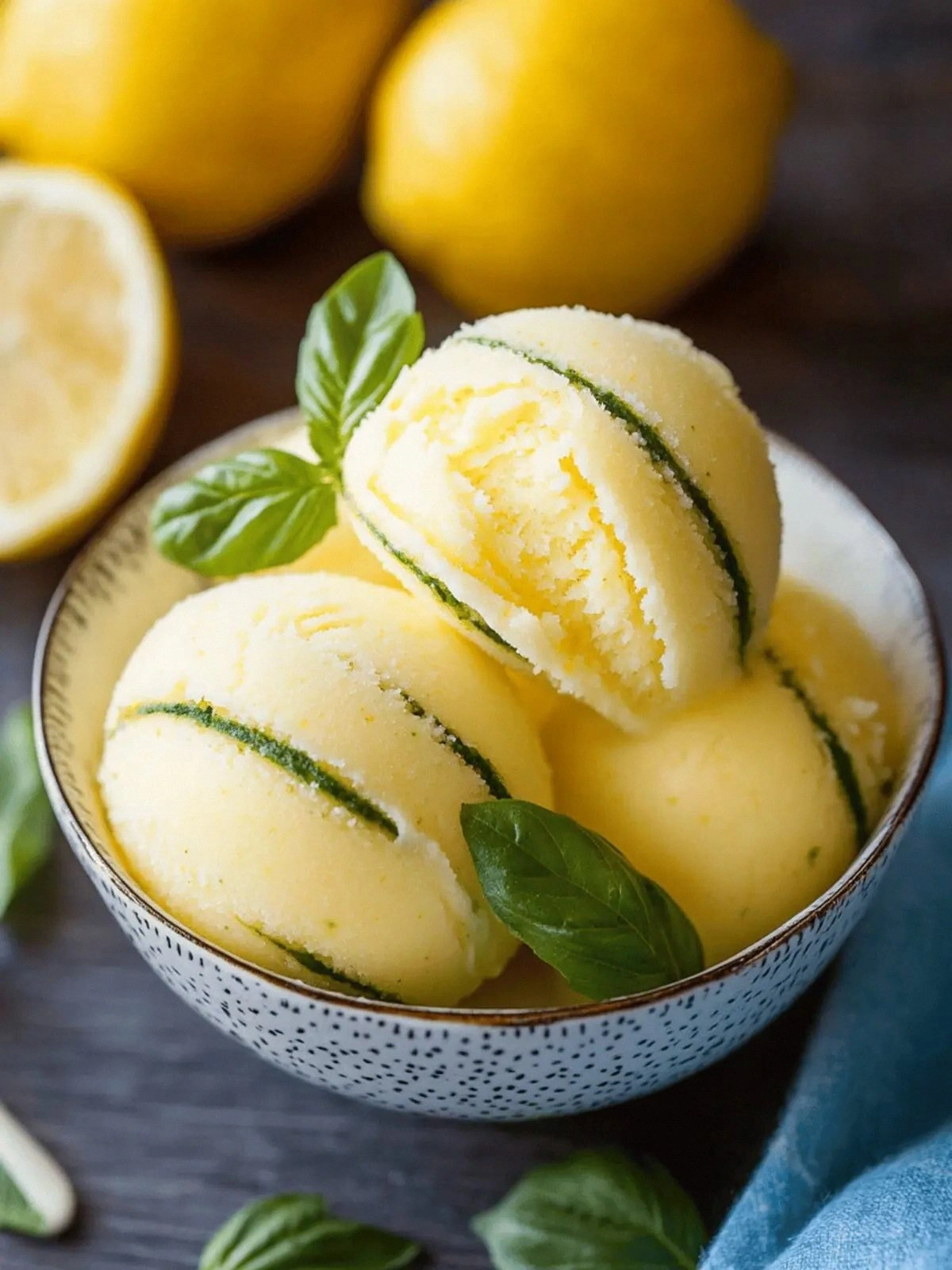
Picture this: a bright, citrusy aroma that cuts through the lingering smell of burnt cheese, the sharp, green tang of basil leaves dancing in the air, and the gentle, satisfying sound of a spoon gliding across a glossy, icy surface. The first bite melts on your tongue like a whisper of sunshine, leaving a crisp, clean finish that lingers with a faint herbal aftertaste. I tasted it and realized I’d just invented a dessert that feels like a vacation in a glass. If you’ve ever wondered how to turn a kitchen mishap into a triumph, this sorbet is your answer.
What makes this version stand out from every other lemon sorbet recipe you’ve seen is that it’s not just a simple blend of citrus and sugar. The basil isn’t just a garnish; it’s a flavor partner that brings a subtle earthiness that balances the bright acidity of the lemon. The method is designed to be foolproof, even for the kitchen novice, yet it delivers a professional texture that feels like it was churned in a high‑end ice cream maker. And the best part? You can make it in a matter of minutes, no fancy equipment required. I dare you to taste this and not go back for seconds.
Most recipes get this completely wrong by either over‑sugaring the sorbet, leaving it gritty, or under‑cooking the simple syrup, resulting in a watery mess. I’ve spent countless evenings tweaking the proportions and timing until the texture was the perfect balance of icy and silky. I’ll be honest — I ate half the batch before anyone else got to try it. The secret? A quick infusion of basil in the simple syrup that infuses the sorbet with a fresh, green note that’s unexpected yet utterly delightful.
Picture yourself pulling this out of the freezer on a scorching summer afternoon, the whole kitchen smelling incredible, and serving it in a chilled glass that’s as pretty as it is delicious. Let me walk you through every single step — by the end, you’ll wonder how you ever made it any other way. Stay with me here — this is worth it.
What Makes This Version Stand Out
- Taste: The bright citrus of fresh lemons is elevated by a subtle basil undertone, creating a layered flavor profile that feels both familiar and adventurous. The basil’s herbal notes cut through the sweetness, leaving a refreshing finish.
- Texture: The sorbet has a silky, smooth mouthfeel that melts effortlessly, thanks to a carefully balanced simple syrup and a quick freeze in an ice‑cream maker or a no‑churn method. No icy shards, just pure, velvety coolness.
- Ingredient Quality: Using only the freshest lemons and basil leaves ensures that every bite bursts with natural flavor. The simplicity of the ingredient list means you can trust the taste to come from the produce itself.
- Ease of Preparation: This recipe requires no special equipment, no complicated steps, and minimal active cooking time. It’s a one‑pot, one‑step process that delivers professional results.
- Crowd Reaction: Whether you’re serving it at a backyard barbecue or a formal dinner, guests will be amazed at how light and sophisticated this sorbet feels. It’s the perfect palate cleanser and a conversation starter.
- Make‑Ahead Potential: The sorbet freezes solid, so you can prepare it a day in advance. When ready to serve, just let it sit at room temperature for a few minutes, and it’ll be ready to scoop.
Inside the Ingredient List
The Flavor Base
Four medium fresh lemons are the cornerstone of this sorbet. The juice provides the bright acidity that cuts through the sweetness, while the zest adds a burst of essential oils that enhance the overall citrus profile. If you skip the zest, you’ll lose a layer of depth and complexity that makes this sorbet memorable.
The Herbal Companion
One cup of fresh basil leaves is more than a garnish; it’s an integral part of the flavor architecture. Basil’s aromatic compounds infuse the simple syrup, creating a green, slightly peppery undertone that balances the lemon’s sharpness. If you leave out the basil, the sorbet will taste like a standard lemon sorbet—good, but not unforgettable.
The Sweetener
One cup of granulated sugar is the sweetening agent that keeps the sorbet from becoming too tart. It also plays a critical role in the freezing point depression, allowing the mixture to remain soft and scoopable instead of turning into a hard block of ice. Substituting honey or agave syrup will change the texture and require adjustments in volume.
The Liquid Base
One cup of water completes the simple syrup and dilutes the lemon juice to the right consistency for freezing. Using filtered or bottled water can prevent any off‑flavors that tap water might introduce. If you prefer a slightly thicker sorbet, reduce the water by a quarter cup and increase the sugar slightly.
Everything’s prepped? Good. Let’s get into the real action.
The Method — Step by Step
- Step 1: Juice the Lemons — Start by cutting each lemon in half and extracting the juice with a citrus reamer. Aim for about 1 cup of fresh lemon juice. The juice should have a bright, tart aroma that instantly signals the freshness of the fruit. Keep a small amount of juice aside for later, just in case you need a touch more acidity.
- Step 2: Zest the Lemons — Using a fine microplane, zest the lemons, being careful to avoid the bitter white pith. The zest contains the essential oils that give lemon its signature aroma. Add the zest to a small saucepan with one cup of water, and bring to a gentle simmer. The water should absorb the zest’s oils, creating a fragrant infusion.
- Step 3: Infuse the Basil — While the zest is simmering, add one cup of fresh basil leaves to the pot. Let the basil steep for about 5 minutes, stirring occasionally. The basil will release its aromatic compounds, infusing the liquid with a green, herbaceous flavor. This step is crucial for the unique taste profile that sets this sorbet apart.
- Step 4: Make the Simple Syrup — Remove the pot from heat and strain the mixture through a fine mesh sieve into a measuring cup. Discard the solids. Add one cup of granulated sugar to the warm liquid and stir until the sugar dissolves completely. The syrup should be clear and free of grit. Allow it to cool to room temperature before proceeding.
- Step 5: Combine Lemon Juice and Syrup — In a separate bowl, whisk together the cooled simple syrup and the fresh lemon juice. The mixture should feel smooth and glossy. Taste it; it should be sweet enough to balance the tartness, but still bright. If it tastes too sweet, add a splash of lemon juice; if too tart, add a bit more sugar.
- Step 6: Chill the Mixture — Cover the bowl with plastic wrap and refrigerate for at least 30 minutes, or until the mixture is cold. Chilling is essential for achieving the right texture when frozen. The colder the base, the smoother the final sorbet.
- Step 7: Freeze or Churn — If you have an ice‑cream maker, pour the chilled mixture into the machine and churn according to the manufacturer’s instructions, usually about 20–25 minutes. If you don’t have a machine, pour the mixture into a shallow metal pan and freeze for 2 hours, stirring vigorously every 30 minutes. This prevents large ice crystals from forming and keeps the sorbet silky.
- Step 8: Serve and Garnish — Once the sorbet reaches a firm but scoopable consistency, transfer it to a container and freeze for an additional 30 minutes. When ready to serve, scoop into chilled glasses and garnish with a sprig of basil or a thin lemon twist. The garnish adds a pop of color and a burst of aroma that completes the experience.
That’s it — you did it. But hold on, I’ve got a few more tricks that will take this to another level.
Insider Tricks for Flawless Results
The Temperature Rule Nobody Follows
Chilling the base before freezing is essential. A base that’s too warm will freeze into large, uneven ice crystals, giving you a gritty texture. I’ve seen people skip the chilling step and end up with a sorbet that feels more like a slush than a refined dessert. Keep it cold, and you’ll have a silky mouthfeel every time.
Why Your Nose Knows Best
Smell the basil infusion before you strain it. A bright, herbal aroma signals that the basil has released enough flavor. If the scent is faint, let it steep a few more minutes. Trusting your nose is a simple, yet powerful way to ensure each component reaches its full potential.
The 5‑Minute Rest That Changes Everything
After you churn or freeze the sorbet, let it rest for 5 minutes at room temperature before scooping. This short rest allows the mixture to set slightly, making it easier to scoop without breaking the surface. I’ve tried scooping directly from the freezer and it was a mess; the 5‑minute rest makes the difference.
Use a Fine Mesh Sieve
When you strain the basil and zest infusion, use a fine mesh sieve or cheesecloth. This step removes all the solids, preventing a gritty texture. I’ve seen people skip this step and end up with a sorbet that has little bits of basil and zest clinging to the surface.
Freeze in a Shallow Pan
If you’re not using an ice‑cream maker, freeze the mixture in a shallow metal pan. A shallow pan increases the surface area, allowing the mixture to freeze more evenly. Stirring every 30 minutes breaks up ice crystals and keeps the sorbet smooth.
Creative Twists and Variations
This recipe is a playground. Here are some of my favorite ways to switch things up:
Mint‑Lemon Fusion
Swap basil for fresh mint leaves. The cool, sweet flavor of mint pairs wonderfully with lemon, creating a refreshing twist that’s perfect for a hot day. The result is a sorbet that feels like a minty lemonade.
Citrus Medley
Add a tablespoon of orange zest to the infusion. The orange adds a subtle sweetness that balances the tartness of the lemon, while the basil keeps the herbal note. It’s a citrus symphony that will impress your guests.
Honey‑Basil Blend
Replace the granulated sugar with honey. Honey’s floral undertones complement the basil’s earthiness, creating a richer flavor profile. Adjust the amount of honey to taste, as it’s naturally sweeter than sugar.
Spiced Sorbet
Add a pinch of crushed red pepper flakes to the basil infusion. The subtle heat contrasts with the citrus brightness, giving the sorbet a surprising kick. It’s a daring choice for adventurous palates.
Berry‑Basil Surprise
Blend a cup of fresh berries (strawberries, blueberries, or raspberries) into the final mixture before freezing. The berries add a burst of color and a fruity sweetness that pairs beautifully with the basil and lemon.
Storing and Bringing It Back to Life
Fridge Storage
Store the sorbet in an airtight container in the refrigerator for up to 3 days. Keep it wrapped in plastic wrap to prevent freezer burn and maintain its vibrant color. When ready to serve, let it sit at room temperature for 5 minutes to soften slightly.
Freezer Friendly
For longer storage, keep the sorbet in the freezer for up to 2 weeks. Use a freezer‑safe container with a lid, and leave a small gap for expansion. If you notice ice crystals forming, give it a quick stir before serving.
Best Reheating Method
If the sorbet has frozen solid, let it sit at room temperature for 10–15 minutes before scooping. Add a tiny splash of water or lemon juice and give it a gentle stir to re‑soften the texture. This trick steams back the sorbet to perfection, restoring its silky mouthfeel.