It was a Tuesday night, the kind of night where the fridge is a barren wasteland, the pantry is a dusty echo, and the only thing you can find is a single chicken breast that looks like it’s been through a marathon. I stared at it, thinking, “How do I turn this into something that makes my taste buds sing?” That moment sparked a culinary rebellion, a dare to myself that would culminate in a dish so bright, so zesty, and so utterly satisfying that I’d be tempted to keep it to myself. I laughed, grabbed my apron, and set the kitchen into motion, ready to create a meal that would survive the week and still feel like a fresh, gourmet experience.
As the first drizzle of olive oil hit the pan, the kitchen filled with a warm, almost buttery aroma that hinted at the promise of something extraordinary. The garlic, when it kissed the oil, released a sharp, aromatic burst that made the air taste like a sunny Mediterranean afternoon. The sizzling sound was the soundtrack to the transformation, a gentle reminder that every ingredient had a role to play. I could almost taste the citrusy brightness of lemon before it even touched the chicken, a promise of a bright, refreshing finish.
What sets this version apart isn’t just the lemony zest or the garlic-infused oil; it’s the harmony of flavors, the meticulous layering of textures, and the sheer simplicity of execution. Every bite delivers a crisp snap from the veggies, a tender melt of chicken, and a velvety sauce that clings to everything like a second skin. The result is a dish that feels like a culinary revelation—hands-down the best version you’ll ever make at home. The secret? A precise balance of acidity, herbs, and a touch of heat that keeps the palate engaged.
There’s one technique that will make you question why you ever cooked without it—tossing the quinoa with a splash of lemon juice before it cooks. This simple step infuses the grains with a bright, citrusy undertone that elevates the entire dish. I dare you to taste this and not go back for seconds. Picture yourself pulling this out of the oven, the whole kitchen smelling incredible, and knowing you’ve nailed the perfect meal prep staple that will impress even the most skeptical of taste buds. Let me walk you through every single step — by the end, you’ll wonder how you ever made it any other way.
What Makes This Version Stand Out
- Flavor: The bright citrus notes from fresh lemon juice and zest cut through the richness of the chicken, creating a balanced, refreshing profile that lingers on the tongue.
- Texture: The combination of tender chicken, crisp broccoli, and snap‑grilled zucchini delivers a satisfying contrast that keeps every bite interesting.
- Simple Prep: All the ingredients are prepped in under 15 minutes, and the cooking process takes no longer than 30 minutes, making it ideal for busy weekdays.
- Uniqueness: The addition of oregano and black pepper gives the sauce a subtle warmth, while the quinoa provides a nutty backdrop that complements the citrus.
- Crowd Reaction: Friends who taste this will rave about the “velvet” coating and the “snap” of the vegetables, making it a conversation starter at dinner parties.
- Ingredient Quality: Fresh, high‑quality produce and lean chicken are the foundation; the dish shines when the ingredients are at their peak.
- Cooking Method: A quick sear followed by a gentle simmer locks in juices and flavors, ensuring the chicken remains moist and the sauce thickens perfectly.
- Make‑Ahead Potential: The dish keeps well in the fridge for up to four days, and reheats without losing its vibrant flavor profile.
Inside the Ingredient List
The Flavor Base
At the heart of this dish lies a simple yet powerful mixture of olive oil, garlic, lemon juice, and zest. The olive oil acts as a flavor carrier, allowing the garlic to release its aromatic oils and the lemon to infuse a bright acidity that balances the richness of the chicken. If you skip the lemon juice, you lose that bright, tangy punch that lifts the entire dish. For those who love a bit of heat, a pinch of crushed red pepper flakes can be added to this base, giving the sauce a subtle kick without overpowering the citrus.
Choosing the right olive oil is essential; a light, fruity extra‑virgin olive oil provides the best flavor without overwhelming the dish. If you’re short on time, a small splash of white wine can be added to the pan after searing the chicken to deglaze and create a deeper, more complex sauce. The lemon zest, often overlooked, adds a fragrant oil that brightens the entire plate, so don’t discard it—use it generously.
The Texture Crew
Broccoli florets, red bell pepper, and zucchini are the vegetables that bring structure and crunch. Each vegetable is sliced to a uniform thickness to ensure even cooking. The broccoli should remain slightly firm, providing a satisfying bite that contrasts with the tender chicken. If you prefer a softer texture, blanch the broccoli for a minute before adding it to the pan; this will reduce the cooking time and help the flavors meld.
These veggies are not just side dishes; they’re integral to the dish’s nutritional profile, adding fiber, vitamins, and a splash of color. When cooked, the bell pepper releases a subtle sweetness that balances the acidity of the lemon. The zucchini, with its mild flavor, acts as a neutral canvas, absorbing the lemon‑garlic sauce beautifully.
The Unexpected Star
Quinoa is the unexpected hero that rounds out the meal with protein and a slightly nutty flavor. Cooking quinoa in water or chicken broth gives it a subtle savory undertone that complements the lemony sauce. The grains should be fluffy and separate, not sticky, which requires a gentle simmer and a quick rinse before cooking to remove the bitter saponin coating.
Using quinoa instead of rice or pasta not only increases the protein content but also adds a satisfying chew that pairs well with the crisp vegetables. If you’re in a hurry, pre‑cooked quinoa from the grocery store can be used—just heat it gently in a skillet with a splash of lemon juice to revive its flavor.
The Final Flourish
Fresh parsley is the finishing touch that adds a burst of green freshness and a subtle peppery note. It also serves as a visual cue, making the dish look vibrant and appetizing. A handful of chopped parsley should be sprinkled over the top just before serving, allowing the herbs to release their aroma.
Parsley also has natural antioxidant properties, which can help preserve the dish’s freshness during storage. If you’re looking for a different herb, consider basil or cilantro for a distinct flavor profile. Just remember to add them at the end to preserve their bright, fresh taste.
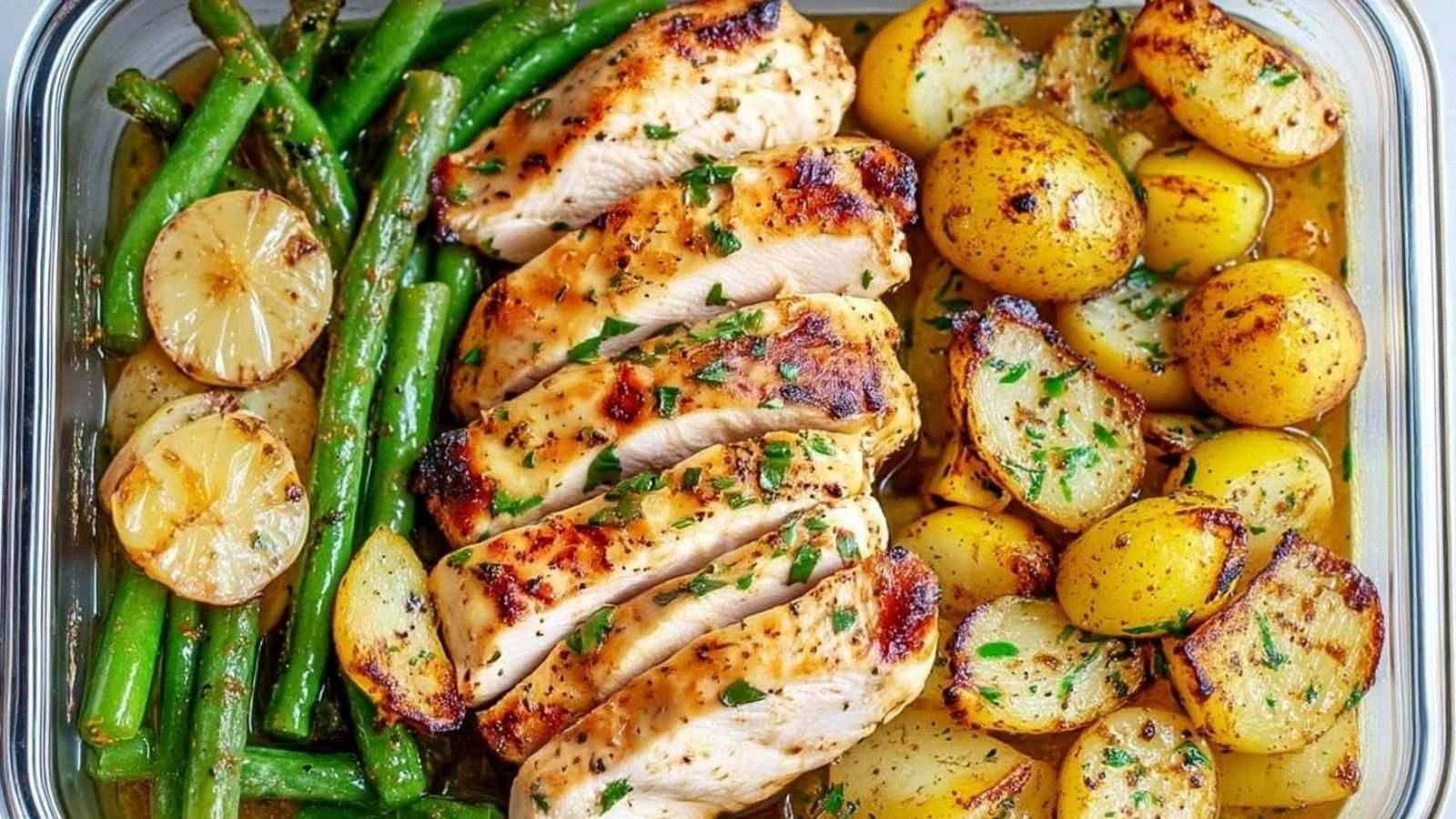
The Method — Step by Step
- Begin by patting the chicken breasts dry with paper towels; this step ensures a crisp sear. Season each breast with a pinch of salt and pepper, then set aside. The drier the surface, the more the olive oil can caramelize, creating a golden crust that locks in juices.
- Heat a large skillet over medium‑high heat, adding the olive oil. Once the oil shimmers, place the chicken breasts in the pan, skin‑side down if any skin remains. Listen for the satisfying sizzle that signals the pan is hot enough.
- Sear the chicken for 3–4 minutes on each side until a golden crust forms. Flip only once to maintain the integrity of the sear. The goal is a caramelized exterior that keeps the interior moist.
- Remove the chicken from the skillet and set aside on a plate. In the same pan, add the sliced bell pepper and zucchini, cooking for 3 minutes until they just start to soften. This step allows the vegetables to absorb the pan drippings, creating a natural flavor base.
- Add the broccoli florets to the skillet and sauté for an additional 2 minutes. The broccoli should remain bright green and slightly crisp, providing a refreshing crunch that contrasts the tender chicken.
- Pour the pre‑mixed lemon‑garlic sauce over the vegetables, stirring to coat each piece. Then, return the chicken breasts to the pan, nestling them among the veggies. Reduce the heat to low and cover the skillet.
- Simmer for 8–10 minutes, or until the chicken is cooked through and the sauce has thickened. The sauce should coat the chicken like velvet, creating a glossy, aromatic finish.
- While the chicken rests, cook the quinoa in water or chicken broth according to package instructions. Fluff with a fork once cooked, and let it cool slightly before combining with the main dish.
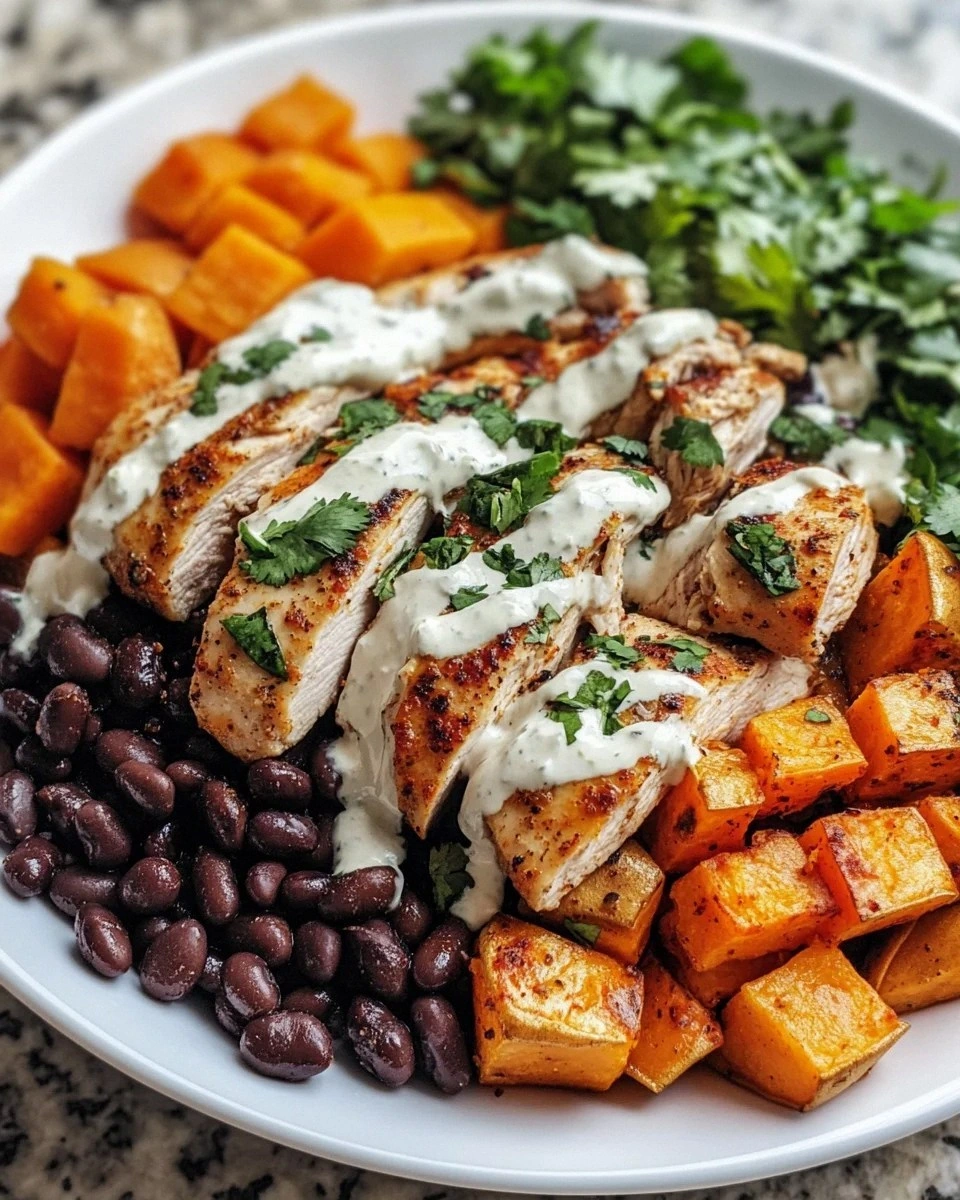
- Divide the cooked quinoa among meal prep containers, then top with the chicken and vegetable mixture. Sprinkle fresh parsley over each portion for a burst of color and freshness.
That’s it — you did it. But hold on, I’ve got a few more tricks that will elevate this dish from great to unforgettable. Let’s dive into the insider tips that will keep your meals tasting fresh and vibrant, no matter how many times you reheat them.
Insider Tricks for Flawless Results
The Temperature Rule Nobody Follows
Many cooks assume that a high heat is the key to a good sear, but the secret lies in the temperature’s consistency. Start with medium‑high heat and let the pan reach the right temperature before adding the oil. If the oil starts smoking, reduce the heat immediately. This ensures the chicken develops a beautiful crust without burning the exterior.
The 5‑Minute Rest That Changes Everything
After cooking, let the chicken rest for five minutes before slicing. This simple step allows the juices to redistribute, keeping the meat moist. A quick cut right after cooking will pull those juices out, resulting in a dry, less flavorful bite.
Why Your Nose Knows Best
Before adding the lemon juice, give the pan a quick sniff. A faint citrus aroma indicates the garlic has released its oils and the pan is ready for the acid. If the smell is weak, let the garlic cook a little longer to fully develop its flavor.
The Veggie Timing Trick
Adding the broccoli last keeps its bright color and crunch. If you add it too early, it will turn mushy and lose its vibrant green hue. This simple timing shift ensures each vegetable retains its distinct texture.
Pre‑Cooking the Quinoa for Speed
Quinoa takes longer to cook than most grains. Pre‑cook it in advance and store it in the fridge. When you’re ready to assemble the meal, simply reheat it with a splash of lemon juice to revive its flavor.
Reheating Without Drying Out
When reheating, add a splash of water or broth to the pan, then cover and heat over low. The steam will help the sauce re‑emulsify and keep the chicken moist. This technique is a game‑changer for weeknight dinners.
Creative Twists and Variations
Spicy Thai‑Inspired Twist
Swap the oregano for Thai basil and add a tablespoon of fish sauce to the sauce. Include a pinch of red pepper flakes for heat and finish with a drizzle of lime juice. This version brings a bold, umami‑rich flavor profile that will transport you to a bustling Thai market.
Herb‑Infused Mediterranean Variation
Replace oregano with fresh thyme and rosemary, and use a splash of balsamic vinegar instead of lemon juice. The result is a deeper, slightly sweet flavor that pairs wonderfully with the chicken’s natural juiciness.
Low‑Carb Keto Version
Omit the quinoa and replace it with cauliflower rice. Increase the amount of olive oil slightly to maintain moisture. This version keeps the dish keto‑friendly while still delivering the same bright, citrusy punch.
Vegan Adaptation
Swap the chicken for firm tofu, marinated in the same lemon‑garlic mixture. Sauté the tofu until golden before adding the vegetables. The tofu absorbs the sauce beautifully, offering a plant‑based alternative without compromising flavor.
Breakfast‑Style Power Bowl
Serve the chicken and vegetables over a bed of scrambled eggs and toast. Add a sprinkle of feta cheese for a creamy, tangy contrast. This breakfast twist provides a protein‑packed start to the day.
Asian Fusion Take
Replace the oregano with dried chili flakes and add a splash of soy sauce to the sauce. Garnish with sliced green onions and a drizzle of sesame oil for an authentic Asian flair.
Storing and Bringing It Back to Life
Fridge Storage
Store the meal prep containers in the refrigerator for up to four days. Keep the chicken and quinoa separate from the sauce until you’re ready to eat to prevent the grains from becoming soggy. Label each container with the date to keep track of freshness.
Freezer Friendly
For longer storage, place the cooked chicken and vegetables in freezer‑safe bags, leaving the quinoa in a separate bag. Freeze for up to two months. When ready to eat, thaw overnight in the fridge and reheat gently.
Best Reheating Method
Reheat the dish in a skillet over medium heat, adding a splash of water or broth to create steam. This method preserves the sauce’s thickness and prevents the chicken from drying out. Finish with a sprinkle of fresh parsley for a burst of color.