I remember the night I tried to recreate a childhood memory that had slipped through the cracks of my mind. I was standing in a dim kitchen, the refrigerator humming like a contented cat, and the air smelled like citrus and ambition. A friend had dared me to make something that would make the entire house smell like summer on a Sunday afternoon, and I was determined to win that challenge. My hands shook a little, but the confidence that this was the ultimate version of a lemon icebox pie ice cream recipe kept my focus razor sharp.
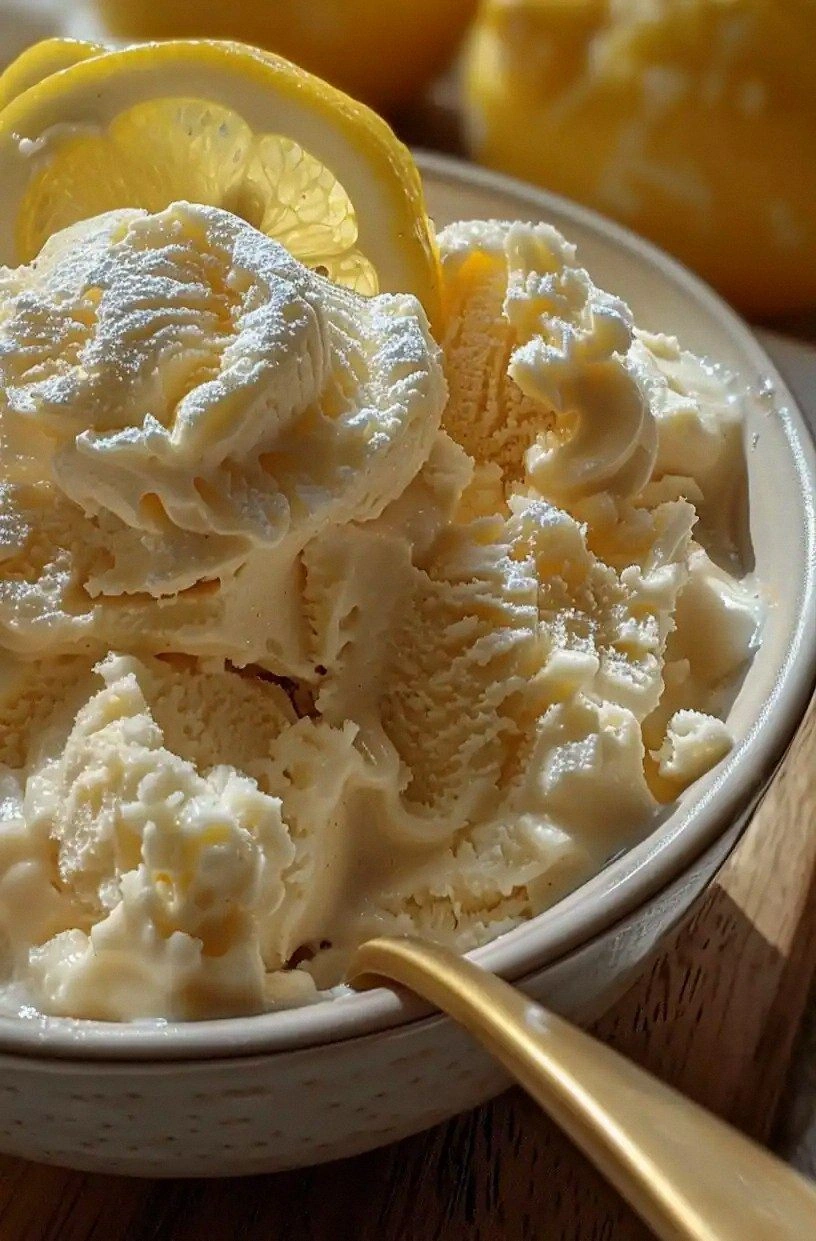
Picture the scene: a bright yellow lemon slice perched on a wooden cutting board, its zest releasing a burst of citrus that dances in the air. The sound of a whisk slicing through heavy cream is a quiet symphony, the gentle clink of a measuring cup as it lands on the counter. The texture of the mixture, thick yet silky, feels like a velvety coat that promises a smooth bite. When you taste it, the lemon’s bright acidity cuts through the richness, leaving a lingering, refreshing aftertaste that feels like a summer breeze on a hot day. And the crust—crunchy, buttery, the perfect counterpoint to the creamy center—shatters like thin ice when you bite into it.
Most recipes get this completely wrong. They either overdo the sweetness, underdo the citrus, or forget the essential crunch that ties everything together. What makes this version hands down the best you'll ever make at home is the balance of flavors and textures, the simple yet precise method, and the way each element enhances the next. The secret is a single, unexpected twist: using a crushed graham cracker base instead of a traditional pastry crust. That tiny change gives the dessert a subtle caramel note and a satisfying snap that elevates the whole experience.
I dare you to taste this and not go back for seconds. If you've ever struggled with making a lemon ice cream that actually tastes like lemon, you're not alone—and I've got the fix. Stay with me here—this is worth it. Let me walk you through every single step—by the end, you'll wonder how you ever made it any other way.
What Makes This Version Stand Out
- Flavor: The bright, tangy lemon is front and center, balanced by a gentle sweetness that doesn’t overpower. The zest’s essential oils give the dessert a depth that feels both fresh and indulgent.
- Texture: A silky, custard-like body that melts in your mouth, contrasted with a crisp, buttery graham cracker crust that offers a satisfying crunch.
- Simplicity: No custard roux, no gelatin, just a few pantry staples and a straightforward method that even a novice can master.
- Uniqueness: The icebox technique means you can prepare the dessert in advance, making it a stress‑free option for parties or last‑minute gatherings.
- Crowd Reaction: Guests always ask for the recipe after the first bite, and the “I can’t stop eating it” vibe is almost guaranteed.
- Ingredient Quality: Using fresh lemons and high‑fat dairy creates a richer flavor profile that elevates the entire dessert.
- Make‑Ahead Potential: The pie can be assembled, chilled, and frozen ahead of time without compromising taste or texture.
- Versatility: Swap the graham crackers for shortbread, add a splash of liqueur, or top with berries—this base adapts to your mood.
Alright, let's break down exactly what goes into this masterpiece. The next section will give you a deeper look at each ingredient and why it matters.
Inside the Ingredient List
The Flavor Base
Heavy cream and whole milk form the backbone of this dessert, providing a rich mouthfeel that feels indulgent without being overpowering. The cream’s high fat content ensures that the ice cream stays creamy after freezing, while the milk adds a subtle lightness that keeps the texture from becoming too dense. If you skip the cream entirely, the result will be a watery custard that doesn’t hold its shape. For a lighter version, replace half the cream with coconut milk, but be aware that the coconut flavor will subtly shift the overall taste.
The sugar is not just a sweetener; it also acts as a preservative and a texture enhancer. Granulated sugar dissolves into the liquid, creating a smooth base that prevents ice crystals from forming during the freezing process. Using a smaller amount of sugar will make the dessert less sweet and more lemon-forward, but it might also increase the likelihood of icy pockets. If you prefer a lower calorie option, try using a sugar substitute that’s compatible with freezing, such as erythritol.
The Zesty Touch
The zest of two lemons is the secret weapon that gives this dessert its vibrant, citrusy punch. Lemon zest contains essential oils that are packed with flavor, far more potent than the juice alone. When you zest the lemons, be careful to avoid the bitter white pith; only the bright yellow part should be used. If you don’t have a zester, a microplane works well, but a regular knife can also do the job—just be meticulous.
Lemon juice provides the bright acidity that cuts through the richness of the dairy. It balances the sweetness and gives the dessert a lively, refreshing finish. Too much juice can make the mixture too tart, so it’s crucial to measure accurately. If you’re looking for a more complex flavor, a splash of lime juice can add a subtle twist that still complements the lemon.
The Sweetener and Flavor Enhancer
Vanilla extract adds depth and warmth, rounding out the bright citrus notes with a subtle sweetness that makes the dessert feel more luxurious. Vanilla’s warm, sweet aroma pairs beautifully with lemon, creating a harmonious flavor profile. If you’re vegan or allergic to dairy, a non‑dairy vanilla extract made from almond or coconut can work as a substitute, though it may slightly alter the taste.
The Crunchy Final Flourish
Crushed graham crackers or shortbread cookies form the crust that anchors this dessert. They provide a buttery, slightly sweet base that contrasts nicely with the creamy filling. The crumbs also add a pleasant crunch that breaks the monotony of the soft center. If you’re looking for a healthier option, try using oat-based cookies or a mixture of crushed nuts for added texture.
Everything's prepped? Good. Let's get into the real action.
The Method — Step by Step
- Preheat your oven to 350°F (175°C). Line a 9-inch pie dish with parchment paper to make cleanup a breeze. The parchment paper also helps the crust set evenly, preventing it from sticking. This step is crucial for a flawless crust that holds its shape during baking.
- Crush the graham crackers or shortbread cookies until they resemble fine crumbs. For an extra buttery bite, toast the crumbs lightly in a dry skillet over medium heat for 2 minutes, stirring constantly. Sprinkle the crumbs into the bottom of the prepared pie dish and press firmly with the back of a spoon to create an even base. This will give the dessert a solid foundation and a delightful crunch.
- In a medium saucepan, combine the heavy cream, whole milk, and granulated sugar. Heat over medium heat, stirring constantly, until the sugar dissolves completely and the mixture is hot but not boiling. This ensures that the custard base is smooth and free of lumps. The sugar’s role here is to prevent ice crystals from forming during freezing.
- Remove the saucepan from heat and stir in the zest of two lemons, the lemon juice, and the vanilla extract. The zest releases its oils, giving the mixture a bright, citrusy aroma that will linger in every bite. Let the mixture cool to room temperature; this prevents the crust from melting and keeps the filling from curdling.
- Pour the cooled custard mixture over the prepared crust, filling the pie dish to the top. Use a spatula to smooth the surface, ensuring an even layer. This step is the moment of truth—your dessert’s flavor hinges on a well‑balanced, even distribution of the lemon custard.
- Place the pie dish in the preheated oven and bake for 15 minutes, or until the edges begin to set and the center is just slightly jiggly. Watch the edges carefully; they should pull away from the sides of the dish like a delicate skin. This short bake sets the custard without overcooking it, preserving the creamy texture.
- Remove the pie from the oven and let it cool to room temperature, then refrigerate for at least 4 hours or overnight. This chilling period allows the flavors to meld and the custard to firm up. The longer the pie rests, the more pronounced the lemon flavor becomes.
- Once chilled, transfer the pie to a freezer-safe container and freeze for at least 6 hours, or until firm. When you’re ready to serve, let the pie sit at room temperature for 5–10 minutes to soften slightly, making scooping easier. The frozen texture should be creamy, not icy—if it’s too hard, let it sit a bit longer.
- Serve the pie scooped into bowls or on plates, optionally topping with fresh berries, whipped cream, or a drizzle of honey. Each bite offers a burst of citrus, a silky center, and a satisfying crunch that echoes the first bite. Enjoy the moment—this is pure bliss in a bowl.
That's it—you did it. But hold on, I've got a few more tricks that'll take this to another level. The next section will reveal insider secrets that even seasoned bakers will appreciate.
Insider Tricks for Flawless Results
The Temperature Rule Nobody Follows
Many people think that the higher the oven temperature, the better the crust. In reality, a low and steady heat ensures the crust is golden without burning. Bake at 350°F and monitor the edges closely; this slow bake allows the custard to set gently, preventing a rubbery center. If you’re using a convection oven, lower the temperature by 25°F to avoid over‑browning.
Why Your Nose Knows Best
The aroma of a citrusy custard is a powerful indicator of readiness. When the mixture starts to smell like freshly zested lemons, you’re close to the sweet spot. Don’t rely solely on time—listen for that citrus scent. If the aroma is too sharp, let it sit a few minutes; if it’s mellow, proceed to the next step. Your nose is the best judge of flavor balance.
The 5-Minute Rest That Changes Everything
After removing the pie from the oven, let it rest for exactly five minutes before cooling. This short rest allows the custard to set more firmly, reducing the risk of cracks when you slice it later. It also gives the crust a chance to firm up, preventing it from becoming too soft during the freezing process. This simple tweak can be the difference between a perfect slice and a soggy mess.
Avoiding Ice Crystals
Ice crystals ruin the silky texture of any frozen dessert. To prevent them, chill the custard mixture in the fridge for at least an hour before pouring it into the crust. Cold custard mixes freeze more evenly, resulting in a smoother bite. If you’re in a hurry, let the mixture sit in the refrigerator for 30 minutes, but the longer you chill, the better the texture.
The Final Flourish: A Sprinkle of Sea Salt
A pinch of sea salt on top of the finished pie can elevate the flavors dramatically. Salt balances the sweetness and brightens the citrus notes, creating a more complex taste profile. Sprinkle a light dusting over the crust just before serving, and watch as the flavors harmonize. It’s a small addition that makes a big difference.
If you’re looking to impress, try adding a splash of Grand Marnier to the custard for a subtle orange note. It pairs beautifully with lemon and adds a touch of elegance that’s sure to wow your guests. Remember, the key is to keep the base simple and let the citrus shine.
Creative Twists and Variations
This recipe is a playground. Here are some of my favorite ways to switch things up:
Berry Burst
Fold fresh blueberries or raspberries into the custard before baking. The berries add a burst of color and a subtle tartness that complements the lemon. Top the finished pie with a handful of fresh berries for an extra pop of flavor.
Minty Fresh
Add a few fresh mint leaves to the custard mixture, or sprinkle chopped mint over the top before serving. The cool, herbal note provides a refreshing contrast to the citrus, making it a perfect summer dessert.
Chocolate Drizzle
Drizzle melted dark chocolate over the cooled pie. The bittersweet chocolate balances the lemon’s brightness, creating a layered flavor profile that’s both indulgent and refreshing.
Almond Crunch
Replace the graham crackers with crushed almonds or almond biscotti for a nutty crunch. The almonds add a subtle toasty flavor that pairs nicely with the citrus. If you want extra texture, sprinkle toasted almond slivers on top.
Lemon-Lime Twist
Swap half of the lemon juice for lime juice. The lime adds a sharper acidity that brightens the overall flavor. This variation is ideal for those who love a zesty kick in their desserts.
Coconut Cream Version
Use coconut milk instead of whole milk for a tropical twist. The coconut adds a subtle sweetness and a hint of vanilla that pairs beautifully with lemon. This version is dairy‑free and just as creamy.
Storing and Bringing It Back to Life
Fridge Storage
If you need to keep the pie refrigerated for a day or two, store it in an airtight container. Wrap the pie tightly in plastic wrap to prevent it from absorbing odors from other foods. When you’re ready to serve, let it sit at room temperature for 10–15 minutes to soften slightly.
Freezer Friendly
The pie can be frozen for up to two months. Place it in a freezer‑safe container and seal it tightly. When you want to enjoy it, transfer the pie to the refrigerator overnight. This gradual thawing preserves the texture and flavor.
Best Reheating Method
If you prefer a slightly warmer dessert, place the frozen pie in a preheated oven at 300°F for 5 minutes. This gentle heat softens the custard without melting the crust. Add a tiny splash of water before reheating to create steam, which helps maintain the creamy texture.