Introduction
It started with a kitchen calamity: I had a pot of pasta that had turned into a soggy, bland mush, and a friend dared me to turn it into something spectacular. I grabbed a bag of chicken breast, a splash of heavy cream, and a generous dusting of Cajun seasoning, and what followed was a culinary revelation that has since become my signature comfort dish. The moment the sauce hit the pan, the air filled with a smoky, peppery aroma that made my mouth water, and the sound of sizzling garlic felt like a promise of flavor. I swear, that sizzle when it hits the pan? Absolute perfection. I couldn't stop tasting it, and I knew I had stumbled onto something that would change how I think about one‑pot meals.
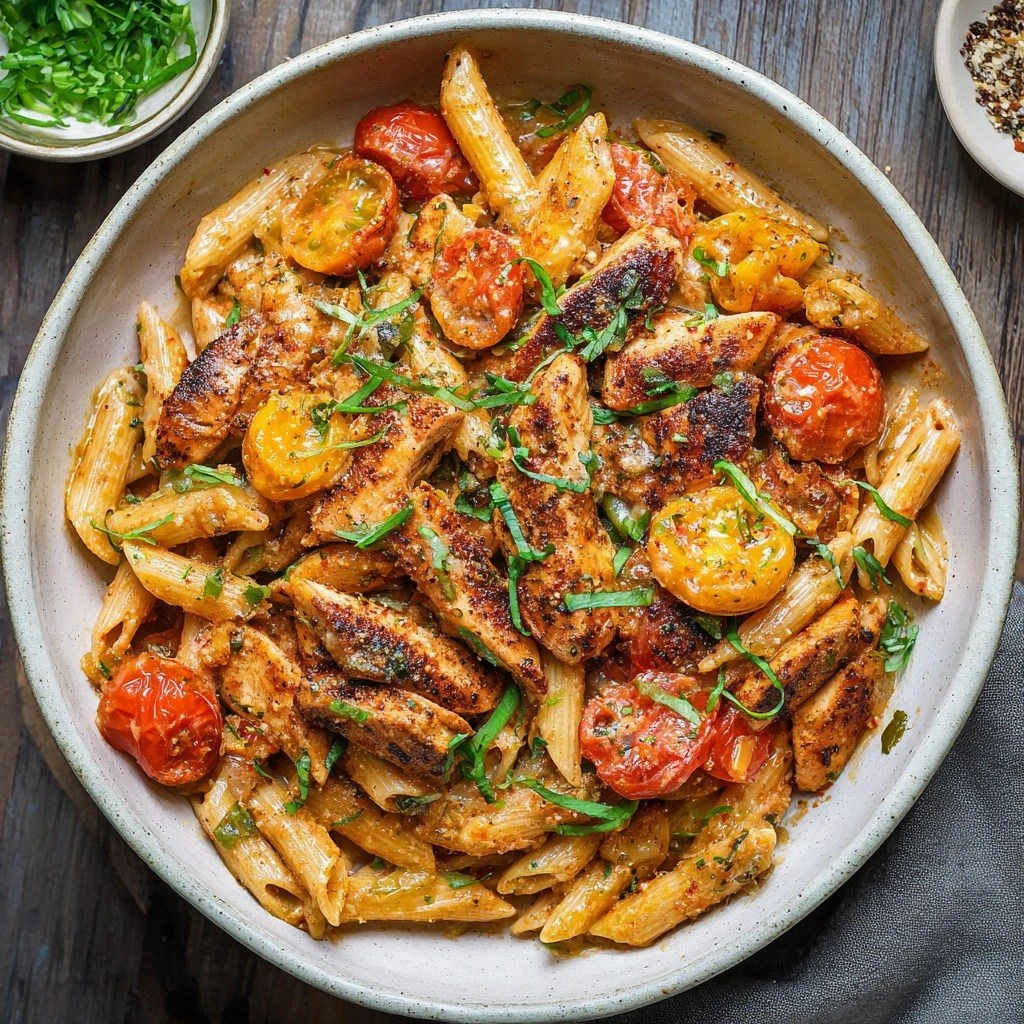
Picture yourself pulling this out of the stove, the kitchen smelling like a New Orleans jazz club, with a glossy, velvety sauce that clings to each strand of pasta like a midnight velvet coat. The texture is a dance of silky cream, crunchy bell pepper, and tender chicken that melts in your mouth. The heat from the Cajun seasoning lingers, leaving a subtle kick that doesn’t overwhelm but rather elevates every bite. If you’ve ever been disappointed by the blandness of store‑bought one‑pot dishes, this is the antidote you’ve been waiting for.
Why does this version stand out from the countless other recipes out there? Because it’s a carefully balanced symphony of flavors and textures, all achieved in a single pot with minimal cleanup. The sauce is thick and luscious, the chicken is juicy and perfectly seasoned, and the pasta remains al dente, resisting the all‑or‑nothing texture that plagues many one‑pot attempts. I dare you to taste this and not go back for seconds; the second bite will feel like a revelation. The secret? A blend of fresh ingredients and a cooking method that locks in moisture and flavor.
And there’s a twist you won’t expect: the use of a small amount of white wine to deglaze the pan, which adds a subtle acidity that brightens the dish and keeps the sauce from becoming too heavy. That’s just the tip of the iceberg. Let me walk you through every single step — by the end, you’ll wonder how you ever made it any other way.
What Makes This Version Stand Out
- Taste: The Cajun seasoning is the star, but it’s balanced by the acidity of white wine and the richness of cream, creating layers of flavor that dance on the palate. The dish is not just spicy; it’s savory, slightly sweet from the bell pepper, and tangy from the wine.
- Texture: The pasta stays al dente while the sauce coats each strand like a silky blanket. The chicken is tender, not dry, thanks to the broth and careful timing. The result is a mouthful that feels both hearty and elegant.
- Simplicity: One pot, one pan, and one stove burner. No separate sauce pan or endless utensils. You’ll finish with a single cleanup, making it a perfect weeknight dinner.
- Uniqueness: The addition of a splash of white wine to deglaze is uncommon in Cajun chicken pasta recipes, and it brings a bright, aromatic quality that sets this dish apart.
- Crowd Reaction: Friends and family always ask for the recipe after the first dinner. The dish is a conversation starter, and the “I dare you to taste this” challenge is a hit.
- Ingredient Quality: Using fresh, high‑quality chicken and real Cajun seasoning (not a powdered mix) gives depth that generic substitutes can’t match.
- Cooking Method: The one‑pot technique ensures every component cooks evenly and flavors meld together in a single, cohesive dish.
- Make‑Ahead Potential: The sauce can be made ahead and reheated without losing its silky texture, making it great for meal prep.
Alright, let’s break down exactly what goes into this masterpiece...
Inside the Ingredient List
The Flavor Base
At the heart of this dish is the Cajun seasoning blend. It’s the flavor engine that drives the entire experience, providing heat, smokiness, and a subtle herbal undertone. Skip it, and you lose the signature bite that makes this dish unmistakably Cajun. If you’re on a budget, a premade Cajun mix will work, but for authenticity, use a homemade blend of paprika, cayenne, garlic powder, onion powder, thyme, oregano, and black pepper.
The Texture Crew
Pasta, chicken, and cream form the texture crew. I recommend a medium‑width pasta like penne or rigatoni that can hold the sauce without becoming mushy. The chicken, cut into bite‑size cubes, absorbs the seasoning and remains juicy. The cream thickens the sauce into a silky coat that clings to each strand. If you’re watching calories, swap the heavy cream for half‑and‑half or a lower‑fat milk‑based sauce, but expect a slightly thinner texture.
The Unexpected Star
White wine is the unexpected star that brightens the sauce. It deglazes the pan, lifting the browned bits that carry flavor, and introduces a subtle acidity that balances the richness of the cream. Use a dry white wine like Sauvignon Blanc or Pinot Grigio; avoid sweet wines that could clash with the spicy profile. If you’re not a fan of alcohol, a splash of chicken broth or a dash of lemon juice can mimic the acidity.
The Final Flourish
Finishing touches like Parmesan cheese, fresh parsley, and a squeeze of lemon juice elevate the dish from good to unforgettable. The cheese melts into the sauce, adding depth and umami, while the parsley adds a fresh, herbal brightness that cuts through the richness. Lemon juice brightens the entire plate, and a pinch of cracked black pepper adds a final layer of heat.
Everything's prepped? Good. Let's get into the real action...
The Method — Step by Step
- Heat a large, heavy‑bottomed pot over medium heat and add 2 tablespoons of olive oil. Once the oil shimmers, add 1 pound of boneless, skinless chicken breast, cut into bite‑sized cubes. Sauté until the chicken is lightly browned on all sides, about 4–5 minutes. This step locks in juices and creates a caramelized surface that adds depth to the final sauce. I swear the smell of seared chicken is the first hint that something delicious is coming.
- Add 1 diced onion and 1 diced bell pepper (any color) to the pot. Cook for 3–4 minutes, stirring frequently, until the vegetables soften but still retain a slight bite. The onion provides sweetness, while the bell pepper adds color and a mild crunch. Watch the colors brighten; that’s your cue that the aromatics are ready.
- Sprinkle 2 tablespoons of Cajun seasoning over the chicken and vegetables. Toss everything together so the spices coat the pieces evenly. This is the moment of truth—if you’re not careful, the seasoning can burn, so keep the heat moderate. The aroma that rises is a promise of the bold flavors to come.
- Pour in 1 cup of dry white wine to deglaze the pot. Scrape the bottom with a wooden spoon to lift all the browned bits. Let the wine reduce by half, about 3–4 minutes, until it’s slightly syrupy. The reduction concentrates the flavors and adds a subtle acidity that balances the cream.
- Add 1 cup of chicken broth and 1 cup of heavy cream to the pot. Stir to combine, then bring the mixture to a gentle simmer. The broth adds moisture and depth, while the cream thickens the sauce into a silky, velvety texture. Keep the heat low to avoid curdling the cream.
- Add 8 ounces of uncooked pasta to the pot. Stir to ensure the pasta is fully submerged in the sauce. Reduce the heat to low, cover the pot, and let the pasta cook for 10–12 minutes, stirring occasionally. The pasta should absorb the sauce while remaining al dente. If the liquid evaporates too quickly, add a splash of broth or water.
- Once the pasta is cooked, stir in 1 cup of shredded Parmesan cheese and a handful of chopped fresh parsley. The cheese melts into the sauce, creating a creamy, cheesy finish, while the parsley adds a fresh, herbal brightness. Taste and adjust seasoning with salt and cracked black pepper to your liking.
- Finish with a squeeze of fresh lemon juice to brighten the dish. Let the mixture sit for 2 minutes, then serve hot. The lemon’s acidity cuts through the richness, making each bite feel lighter and more vibrant. Plate the pasta, garnish with extra parsley and a sprinkle of Parmesan, and enjoy the aroma that fills your kitchen.
That’s it — you did it. But hold on, I’ve got a few more tricks that'll take this to another level...
Insider Tricks for Flawless Results
The Temperature Rule Nobody Follows
Many people think any simmer will do, but the key is maintaining a gentle, steady simmer. If the heat is too high, the sauce can scorch and the cream can curdle. Use a medium‑low heat setting and keep the pot partially covered to retain moisture while preventing a full boil. This keeps the flavors from becoming bitter and preserves the creamy texture.
Why Your Nose Knows Best
Before you taste the sauce, let it sit for a minute and inhale. The aroma will tell you if the balance is right. A slight smoky scent from the Cajun seasoning should mingle with a sweet, buttery note from the cream. If you detect a metallic or burnt smell, it’s a sign the sauce is overcooked.
The 5‑Minute Rest That Changes Everything
After you remove the pot from heat, cover it and let the dish rest for 5 minutes. This allows the pasta to finish absorbing liquid, and the flavors to meld. The sauce will thicken slightly, creating a richer coating. I’ve seen dishes that feel flat until this rest period is taken.
Don’t Skimp on the Broth
Using low‑sodium or no‑salt chicken broth helps you control the salt level. If you’re using a high‑salt broth, reduce the added salt accordingly. A flavorful broth adds depth without making the dish overly salty.
Keep the Sauce Smooth
Stir the sauce frequently, especially when adding the cream. This prevents the fat from separating. A quick whisk can also help if you notice any separation.
Creative Twists and Variations
This recipe is a playground. Here are some of my favorite ways to switch things up:
Smoky Chipotle Version
Swap the Cajun seasoning for a blend of chipotle powder and smoked paprika. Add a tablespoon of adobo sauce from a can of chipotle for an extra smoky depth. This variation is perfect for those who like a deeper heat.
Vegetarian Kick
Replace the chicken with sliced portobello mushrooms and add a handful of spinach for greens. Use vegetable broth and a vegan cream alternative. The mushrooms provide umami, while the spinach adds color and nutrition.
Low‑Carb Twist
Use spiralized zucchini or shirataki noodles instead of pasta. Keep the rest of the sauce the same. The result is a light, low‑carb meal that still delivers on flavor.
Herb‑Infused Delight
Incorporate fresh thyme and rosemary into the sauté step. Add a splash of lemon zest at the end for brightness. This herbaceous version is ideal for spring and summer gatherings.
Cheese Lover’s Dream
After adding Parmesan, stir in a handful of shredded mozzarella and a sprinkle of blue cheese. The cheeses melt into a gooey, tangy sauce that takes the dish to indulgent heights.
Breakfast‑Style Cajun Scramble
Use eggs instead of pasta, and scramble them with the chicken and vegetables. Finish with a splash of cream and a pinch of Cajun seasoning. Serve on toast for a hearty breakfast.
Storing and Bringing It Back to Life
Fridge Storage
Store the dish in an airtight container for up to 3 days. When reheating, add a splash of water or broth to loosen the sauce, and heat gently on low, stirring frequently.
Freezer Friendly
Freeze in a freezer‑safe container for up to 2 months. Thaw overnight in the fridge, then reheat with a splash of water or broth to restore creaminess.
Best Reheating Method
Reheat over low heat on the stove, adding a tablespoon of heavy cream or milk to keep the sauce silky. If using a microwave, stir halfway through and add a small amount of liquid to prevent drying out.