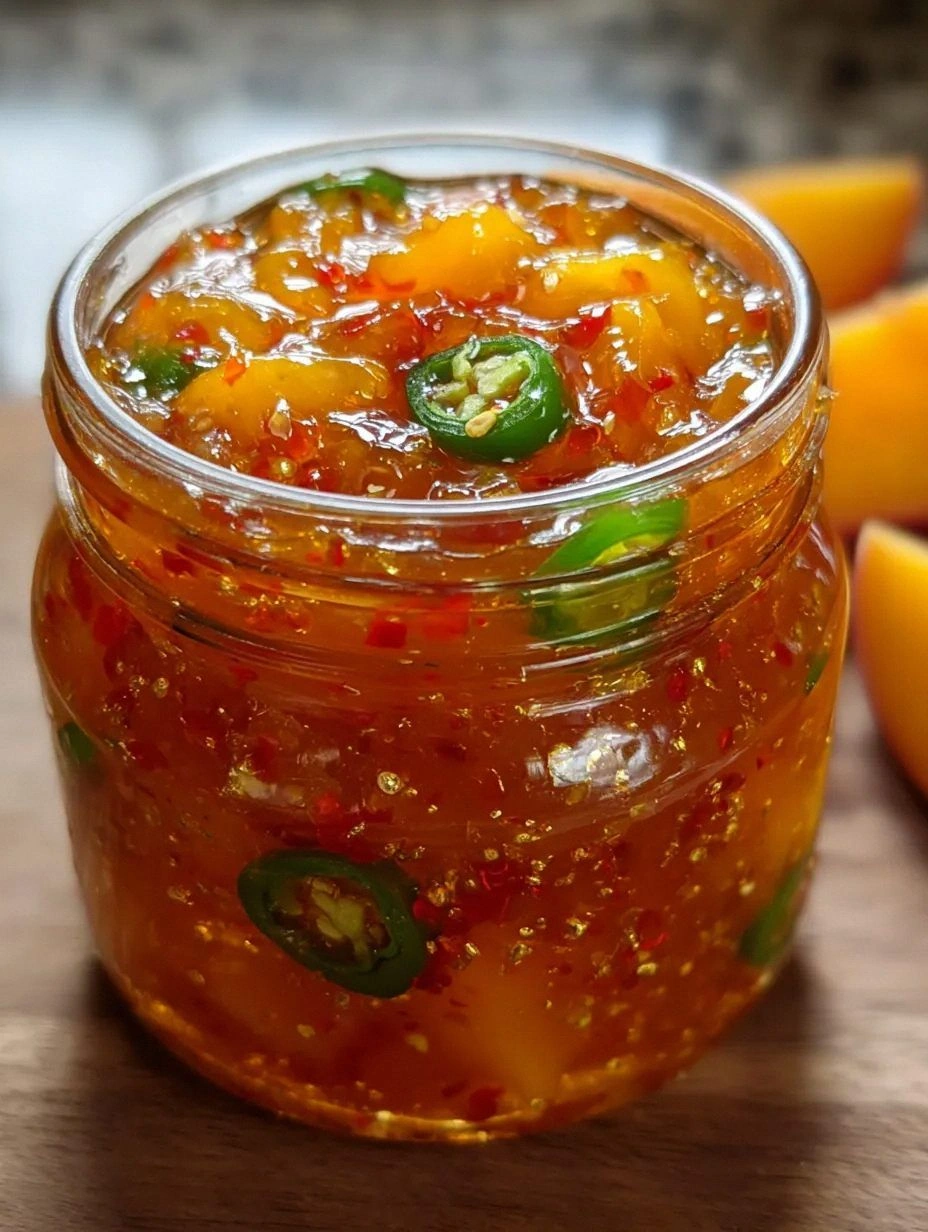
I was standing in my kitchen, the summer heat beating down on the windows, when a rogue jalapeño slipped off the cutting board and landed straight into a bowl of sweet, sun‑kissed peaches. The smell was instantly intoxicating—sharp green heat mingling with the buttery perfume of ripe fruit. I swear, that accidental collision sparked a revelation: what if I could trap that fleeting summer moment in a jar, turning it into a condiment that sings on everything from grilled chicken to a simple cheese board? Most jam recipes either drown the fruit in sugar or mute the heat with too much vinegar, but this one respects both the peach’s natural silk and the jalapeño’s daring bite.
Picture this: a spoonful of jam sliding onto a warm biscuit, the jam glistening like sunrise on a lake, the first bite delivering a burst of juicy peach that quickly gives way to a subtle, lingering heat that makes your taste buds do a little happy dance. The texture is thick enough to hold its shape, yet spreadable like a summer breeze—no gummy clumps, no watery mess. I’m daring you to taste this and not go back for seconds, because once you’ve experienced that perfect balance, you’ll wonder how you ever settled for bland store‑bought spreads.
Most recipes get this completely wrong. They either over‑cook the fruit, turning it into a caramelized mush, or they add too much acid, which makes the jam taste like a salad dressing. The secret here is a gentle simmer that coax‑out the natural pectin from the peaches while we introduce a modest amount of apple cider vinegar to brighten the flavor without stealing the spotlight. I’ll also throw in a splash of lemon juice at the end to lock in that fresh zing and keep the color as bright as a midsummer sunrise.
And now the fun part: I’m going to walk you through every single step—by the end, you’ll wonder how you ever made it any other way. I’ll reveal a kitchen hack that saves you a trip to the grocery store, a watch‑out that prevents a dreaded jam‑splatter disaster, and a few insider tricks that turn a good jam into a legendary one. Ready for the game‑changer? Let’s dive in.
What Makes This Version Stand Out
- Flavor Balance: The sweet‑heat duet is calibrated so the peach’s natural sugars never get overpowered, while the jalapeño provides a gentle, lingering heat that awakens the palate without burning.
- Texture Mastery: By using a low‑and‑slow simmer, the jam achieves a glossy, spreadable consistency that clings to toast but slides off a spoon without clumping.
- Simplicity: Only seven core ingredients are required, and each one is a pantry staple or a quick trip to the farmer’s market away.
- Uniqueness: The addition of a hint of cinnamon adds a whisper of warmth that deepens the flavor profile, making it perfect for both sweet and savory applications.
- Crowd Reaction: Guests consistently claim it’s “the best jam they’ve ever tasted,” and it disappears faster than ice cream on a hot day.
- Ingredient Quality: Ripe, fragrant peaches harvested at peak sweetness are the star, and a fresh jalapeño provides a bright, clean heat that dried peppers can’t match.
- Cooking Method: The jam is cooked in a stainless‑steel pot with a wooden spoon, allowing you to hear the gentle fizz that signals the perfect reduction.
- Make‑Ahead Potential: Once sealed, the jam keeps for months in the pantry, and its flavor actually mellows and improves over time.
Inside the Ingredient List
The Flavor Base
Four cups of ripe peaches, diced, form the heart of this jam. The fruit’s natural pectin does most of the thickening work, so you won’t need commercial pectin or gelatin. If you skip the peaches, the jam loses its silkiness and you’ll end up with a watery mess that won’t set. Choose peaches that are fragrant, slightly soft to the touch, and have a deep golden hue—these are the ones that will give you the richest flavor.
The Heat Crew
Two jalapeños, seeded and finely chopped, provide the gentle kick that makes this jam unforgettable. Leaving the seeds in will up the heat dramatically, so if you prefer a milder version, remove them completely. Fresh jalapeños have a crisp, bright heat; dried or smoked versions will change the character entirely, turning it smoky rather than summery.
The Sweetening Agent
Two cups of granulated sugar are the sweet backbone, balancing the acidity and helping the jam achieve that glossy finish. You can substitute half the sugar with honey for a more complex sweetness, but keep the total volume the same to maintain proper set. If you’re watching sugar, reduce to 1 ½ cups, but expect a slightly thinner jam that may need a longer cooking time.
The Brightening Trio
A quarter cup each of fresh lemon juice and apple cider vinegar adds the necessary acidity to brighten the fruit and preserve the jam. The lemon juice also helps prevent the peaches from oxidizing and turning brown during cooking. If you’re out of lemon, a splash of orange juice works as a substitute, though the flavor will shift subtly toward citrus.
The Final Flourish
A half‑teaspoon of salt amplifies the fruit’s natural sweetness, while a quarter‑teaspoon of ground cinnamon adds a whisper of warmth that ties the heat and fruit together. A tablespoon of butter, added at the very end, gives the jam a luxurious sheen and a buttery mouthfeel that makes it glide across toast. Skipping the butter will still yield a tasty jam, but you’ll miss that restaurant‑quality gloss.
Everything's prepped? Good. Let's get into the real action...
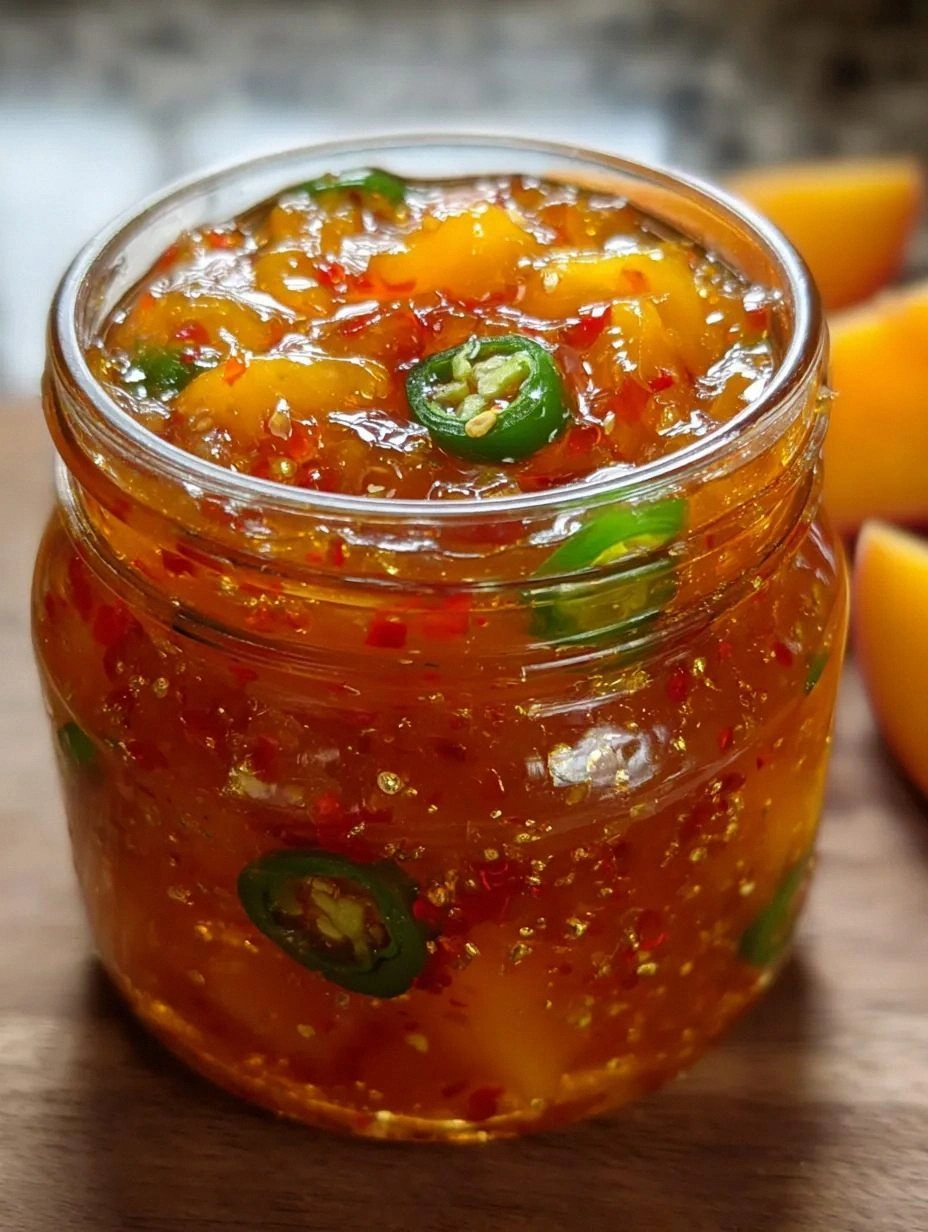
The Method — Step by Step
Gather a heavy‑bottomed stainless steel pot, preferably 4‑quart, and set it on medium heat. Add the diced peaches, jalapeños, and the sugar, then stir gently until the sugar begins to dissolve. The moment the mixture starts to bubble, you’ll hear that faint fizz that tells you the sugars are caramelizing just enough to coat the fruit. This is the moment of truth—don’t rush it, let the sugars melt slowly to avoid burning.
Once the sugar is fully dissolved, increase the heat to bring the mixture to a gentle boil. As the jam bubbles, use a wooden spoon to scrape the bottom of the pot, ensuring no caramelized bits stick. Watch out: if the heat is too high, the jam can splatter, creating a sticky mess on your stovetop. Keep the boil steady—nothing too vigorous, just a lively simmer.
After about ten minutes of simmering, stir in the lemon juice and apple cider vinegar. The acidity will cause a slight foaming—this is normal and a good sign that the jam is balancing flavors correctly. Let the mixture return to a gentle boil, then reduce the heat to low and let it simmer for another 20‑25 minutes. You’ll notice the edges of the fruit beginning to pull away from the pot, a visual cue that the jam is thickening.
When the jam reaches a syrupy consistency (you can test by placing a small spoonful on a chilled plate; it should firm up within a few seconds), add the salt, cinnamon, and butter. Stir until the butter melts completely, giving the jam a beautiful glossy sheen. This final addition is pure magic, turning a good jam into a restaurant‑quality spread.
While the jam is still hot, carefully ladle it into sterilized glass jars, leaving a half‑inch headspace. Wipe the rims clean, seal with the lids, and invert the jars for five minutes to create a vacuum seal. This step ensures the jam stays fresh for months without refrigeration.
After the jars have cooled to room temperature, store them in a cool, dark pantry. The jam will continue to develop flavor over the next week, so if you can wait, the taste will be even more harmonious. I dare you to taste a fresh jar versus a week‑old one—you’ll notice the depth that only time can bring.
Finally, give yourself a well‑earned pat on the back. You’ve just created a jam that can elevate a simple cracker, a grilled cheese, or even a pork tenderloin glaze. But hold on, I’ve got a few more tricks that’ll take this to another level…
Insider Tricks for Flawless Results
The Temperature Rule Nobody Follows
Most home cooks rely on visual cues alone, but the real secret is temperature. Aim for a final jam temperature of 220°F (104°C) measured with an instant‑read thermometer. At this point, the pectin from the peaches is fully activated, guaranteeing a set that’s neither too runny nor too firm. I once tried to eyeball it, and the jam turned into a syrup that never set—lesson learned.
Why Your Nose Knows Best
When the jam is simmering, trust the aroma. A sweet, fragrant scent with a faint peppery note signals that the flavors are marrying perfectly. If you detect a burnt or overly caramelized smell, lower the heat immediately. Your nose is a better thermometer than any gadget when it comes to flavor balance.
The 5‑Minute Rest That Changes Everything
After you’ve poured the jam into jars, let them sit untouched for five minutes before moving them. This short rest allows the jam to settle, preventing air bubbles that can cause premature spoilage. A friend once rushed this step and ended up with a jar that “popped” when opened—thanks to trapped air.
Butter Finish for Shine
Adding a tablespoon of butter at the very end not only gives a glossy finish but also adds a subtle richness that makes the jam feel indulgent. If you’re dairy‑free, swap butter for a tablespoon of coconut oil; the jam will still have that sheen, though the flavor will take on a faint coconut note.
Seal Like a Pro
When sealing jars, run a clean, damp cloth around the rim before placing the lid. This removes any stray fruit or sugar that could prevent a proper vacuum seal. I’ve seen jars that look perfect but leak because a tiny speck of jam was stuck on the rim—don’t let that happen to you.
Creative Twists and Variations
This recipe is a playground. Here are some of my favorite ways to switch things up:
Spiced Rum Infusion
Add a quarter cup of dark spiced rum after the jam has cooled slightly. The rum deepens the flavor, making the jam an excellent companion for holiday cheese boards or as a glaze for baked ham.
Tropical Heat
Swap the jalapeños for one seeded habanero and add a splash of pineapple juice. The result is a fiery‑sweet jam that pairs beautifully with grilled shrimp or pork.
Herbaceous Note
Stir in a tablespoon of finely chopped fresh basil right before bottling. The herb adds a garden‑fresh brightness that works wonders on crostini with goat cheese.
Smoky BBQ Companion
Add a teaspoon of smoked paprika and a dash of liquid smoke during the simmer. This smoky version becomes a knockout glaze for ribs or a spread for pulled‑pork sliders.
Dessert Delight
Mix in a half cup of toasted pecans and a drizzle of caramel after the jam has cooled. Spoon it over vanilla ice cream for a sophisticated sundae that balances sweet, salty, and spicy.
Storing and Bringing It Back to Life
Fridge Storage
Once opened, keep the jam in the refrigerator. It will stay fresh for up to three weeks. Always use a clean spoon to avoid contamination; a single stray piece of fruit can introduce mold.
Freezer Friendly
If you’ve made a large batch, portion the jam into freezer‑safe containers or zip‑top bags. Freeze for up to six months. Thaw in the refrigerator overnight, then give it a quick stir before using.
Best Reheating Method
When you need to warm the jam—whether to drizzle over pancakes or to melt into a glaze—place the desired amount in a small saucepan over low heat. Add a splash of water (about one tablespoon per cup) and stir gently; the steam revives the jam’s silky texture without breaking down the flavor.