When I first tried to make a comfort‑food classic, I ended up with a soggy mess that tasted like a melted cheese puddle. I swear it was the kind of kitchen disaster that would have made me quit cooking altogether. But then I remembered the secret I’d heard from a friend who swears that a single skillet can turn that disaster into a golden, crispy masterpiece. That single skillet is the holy grail of mac and cheese, and I’m about to spill the beans. This is hands down the best version you'll ever make at home.
Picture the skillet on the stove, the butter sizzling, the flour dancing like a tiny dust storm. The aroma of toasted milk and cheese begins to unfurl, and you can already taste the velvety coating that will wrap each noodle like a silky blanket. I dare you to taste this and not go back for seconds, because once you hit that first bite, your taste buds will be in a permanent state of bliss. The texture is a perfect blend of creamy interior and a golden crust that shatters like thin ice when you bite. And the best part? You only need a single pan to achieve that wow factor.
What sets this recipe apart is the meticulous balance of flavors and the way it turns ordinary ingredients into a culinary symphony. Most recipes get this completely wrong by overcooking the pasta or using too much cheese, resulting in a rubbery, greasy mess. Here we use a roux to create a silky base, then fold in a trio of cheeses that melt together in a harmonious swirl of flavor. The secret ingredient? A splash of beer that adds depth and a subtle hop note, giving the sauce a subtle complexity that will have your friends asking for the recipe. If you've ever struggled with making a creamy cheese sauce, you're not alone — and I've got the fix.
I’ll be honest — I ate half the batch before anyone else got to try it, and that’s telling you how irresistible it is. The next part? Pure magic. This next step will show you how to caramelize the breadcrumbs to create a crunchy crown that sits atop the creamy macaroni. Picture yourself pulling this out of the oven, the whole kitchen smelling incredible, and the moment when you lift the lid, steam curls like a cloud of comfort. Let me walk you through every single step — by the end, you'll wonder how you ever made it any other way.
What Makes This Version Stand Out
- Richness: The sauce is a luxurious blend of cheddar, mozzarella, and Parmesan, each contributing a distinct note that melts into a velvety blanket. The roux base ensures a silky texture, while the beer adds a subtle hop complexity that elevates the dish. The result is a depth of flavor that feels like a hug in every bite.
- Texture: A golden breadcrumb crust sits atop a creamy interior, creating a satisfying contrast that never feels heavy. The pasta is cooked to al dente perfection, providing a firm bite that resists the sauce’s clinginess. The final product is both comforting and refined.
- Simplicity: With only a handful of pantry staples, you can produce a restaurant‑grade mac and cheese in under 45 minutes. No fancy gadgets or obscure ingredients are required—just a skillet and a few seconds of patience. The recipe is designed for busy nights and lazy weekends alike.
- Crispy Crust: The caramelized breadcrumbs add a crunchy crown that breaks like thin ice when you bite. They’re seasoned with garlic powder and paprika, giving a subtle kick that complements the cheese. This layer of texture turns a simple dish into a showstopper.
- Flavor Depth: A splash of beer and smoked paprika bring unexpected layers that make each bite complex. The beer’s maltiness balances the sharpness of cheddar, while the paprika adds a smoky warmth. The sauce feels full-bodied without being cloying.
- Crowd‑Pleaser: Whether you’re feeding a family or hosting a potluck, this skillet mac and cheese brings smiles to every table. Its golden crust and creamy center are universally adored, making it a safe bet for any gathering. Guests will keep asking for the recipe long after the last bite.
- Make‑Ahead Friendly: Prepare the pasta and sauce ahead of time and reheat with a splash of milk to restore creaminess. The breadcrumb topping can be toasted separately and added just before serving. This flexibility means you can focus on other dishes while the mac and cheese finishes its final transformation.
Alright, let's break down exactly what goes into this masterpiece...
Inside the Ingredient List
The Pasta Base
Elbow macaroni is the classic choice for its sturdy shape that holds sauce beautifully. Cook it to al dente so it remains firm even after absorbing the cheese sauce. Skipping this step and using a different shape like shells can alter the mouthfeel, so stick to the traditional tube for authenticity.
The Sauce Core
A roux of butter and flour creates a thick, silky foundation that prevents the sauce from separating. Whole milk adds a subtle sweetness, while a splash of beer introduces a mellow hop aroma that deepens the flavor. If you’re lactose intolerant, substitute with a dairy‑free milk; the roux will still bind the sauce.
The Cheese Trio
Sharp cheddar delivers a tangy bite, mozzarella offers a gooey melt, and Parmesan provides a nutty finish. Each cheese behaves differently when heated; cheddar stays firm, mozzarella stretches, and Parmesan crisps. Swapping any of them will change the flavor profile, so experiment only if you’re feeling adventurous.
The Final Crunch
Panko breadcrumbs toasted with melted butter create a light, airy topping that crisps to a golden brown. Garlic powder and smoked paprika add depth and a subtle heat. If you prefer a dairy‑free version, use a vegan butter alternative to keep the crispness intact.
Everything's prepped? Good. Let's get into the real action...
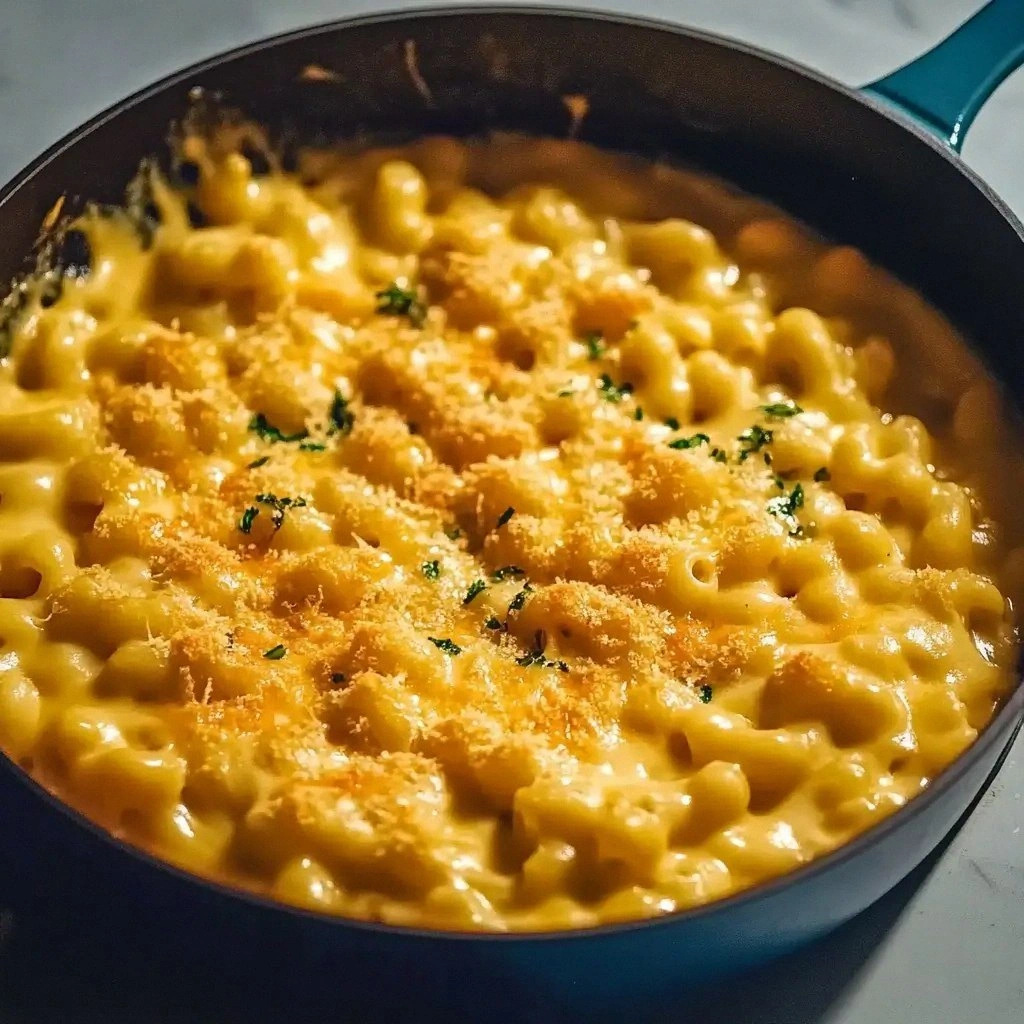
The Method — Step by Step
- Heat a large skillet over medium heat and add the butter. Watch the butter foam as it melts, and let it bubble for a few seconds before adding the flour. Stir constantly to form a roux, letting it cook until it turns a light golden hue—this removes the raw flour taste. The roux should smell nutty and be free of lumps. Once golden, the base is ready for the milk.
- Slowly whisk in the whole milk, ensuring the mixture stays smooth. The sauce should thicken into a silky custard, not a chunky gravy. Stir until the mixture reaches a glossy sheen, indicating the starch has fully gelatinized. The aroma should be comforting, like a warm blanket of dairy. This step sets the stage for the cheese to melt beautifully.
- Add the splash of beer to the sauce, allowing it to steam off. The beer’s maltiness will deepen the flavor profile without overpowering the cheese. Stir until the beer is fully integrated, and the sauce takes on a richer color. Taste a small spoonful; it should balance sweet, salty, and umami. The beer also helps the cheese blend into a smoother emulsion.
- Introduce the shredded cheddar, mozzarella, and Parmesan to the sauce, stirring until each piece melts. The cheeses should form a homogeneous, glossy coating that clings to the skillet. Keep the heat low to avoid scorching; a gentle simmer ensures even melting. The sauce will thicken further as the cheeses incorporate. This is the moment of truth—watch the colors shift from pale to golden.
- Meanwhile, cook the elbow macaroni in a separate pot of salted water until just shy of al dente. Reserve a cup of pasta water to adjust sauce consistency later. Drain the pasta, but keep the pot warm. The pasta should still have a slight bite, which will contrast with the creamy sauce. If you prefer a firmer bite, reduce the cooking time by 30 seconds.
- Add the cooked macaroni to the skillet, folding it into the cheese sauce. Use tongs to toss gently, ensuring every noodle is coated. If the sauce feels too thick, pour in a splash of reserved pasta water to loosen it. The sauce should cling to the pasta like velvet, not pool in the bottom. This step is crucial for achieving that silky mouthfeel.
- Transfer the skillet to a preheated oven at 375°F (190°C). The heat will caramelize the breadcrumb topping while keeping the sauce molten. Keep an eye on the top; it should reach a deep golden brown within 8-10 minutes. The aroma at this point will have you swooning. Once done, remove the skillet from the oven and let it rest for a minute.
- Serve the skillet mac and cheese directly from the pan to keep the crust intact. Garnish with a sprinkle of fresh parsley or a drizzle of truffle oil for an extra layer of luxury. The visual appeal is as important as the taste; a bright green garnish adds contrast to the golden dish. This final touch turns a simple comfort food into a statement plate.
- If you’re a true foodie, pair the dish with a crisp green salad or roasted vegetables to balance the richness. A glass of chilled white wine or a light lager complements the beer-infused sauce. The combination elevates the entire meal, turning a humble skillet into a gourmet experience. Remember, presentation matters as much as flavor.
That's it — you did it. But hold on, I've got a few more tricks that'll take this to another level...
Insider Tricks for Flawless Results
The Temperature Rule Nobody Follows
Many cooks overheat the skillet, causing the cheese to burn on the bottom. Keep the heat at a steady medium and test the sauce by flicking a drop onto a cold plate; it should sizzle briefly, not steam. This subtle cue ensures a silky finish and prevents that dreaded burnt flavor.
Why Your Nose Knows Best
The aroma of toasted breadcrumbs is the first indicator of success. When the top starts to turn golden, your nose will tell you it’s time to flip or remove the skillet. Trusting your senses can save you from overcooking and keep the dish at its peak.
The 5-Minute Rest That Changes Everything
Letting the skillet rest after baking allows the sauce to set, creating a cohesive bite. During this pause, the flavors meld and the crumbs settle into a perfect crust. Skipping this step can leave you with a lumpy, uneven surface.
Use a Dutch Oven for Even Heat
A heavy‑bottomed Dutch oven distributes heat evenly, preventing hot spots that can burn the cheese. If you don’t have one, a cast‑iron skillet works well too. The key is even heat, which translates to a uniform sauce.
Finish with a Splash of Milk
When reheating leftovers, add a tablespoon of milk to restore creaminess. The milk hydrates the cheese and reduces separation, giving the dish a fresh, molten feel. This trick keeps your leftovers as delicious as the first batch.
Make It Vegan in One Swipe
Swap dairy butter for coconut oil and use a plant‑based cheese blend. Replace whole milk with oat milk for a subtle sweetness. The result is a creamy, indulgent dish that’s entirely vegan.
Creative Twists and Variations
This recipe is a playground. Here are some of my favorite ways to switch things up:
Spicy Southwest Mac
Add chipotle powder, jalapeño slices, and a splash of lime juice to the sauce. Swap in pepper jack cheese for a smoky kick. Top with cilantro and a dollop of sour cream for a fresh finish.
BBQ Bacon Crunch
Fold in cooked bacon bits and a drizzle of smoky BBQ sauce. Replace half of the cheddar with smoked gouda for depth. Finish with extra breadcrumbs for a crunchy layer that pairs with the smoky flavors.
Garden Fresh Veggie Mac
Stir in roasted broccoli, cherry tomatoes, and sautéed spinach before baking. Use a blend of mozzarella and provolone for a lighter cheese profile. The veggies add color and a burst of freshness.
Truffle Infusion
Drizzle a touch of truffle oil over the finished dish and sprinkle truffle salt on top. Replace the mozzarella with a truffle‑infused cheese if available. The earthy aroma elevates this comfort food into a gourmet experience.
Vegan Delight
Use coconut milk, vegan butter, and a dairy‑free cheese blend. Add nutritional yeast for a cheesy flavor. Top with vegan breadcrumbs toasted in olive oil for a crisp finish.
Breakfast Mac & Cheese
Stir in scrambled eggs and chopped chives before baking. Use a blend of cheddar and Monterey Jack for a mild, breakfast‑friendly flavor. Serve with a side of fruit for a balanced start to your day.
Storing and Bringing It Back to Life
Fridge Storage
Cool the skillet mac and cheese completely before transferring it to an airtight container. Store in the refrigerator for up to 3 days. When reheating, cover the container with foil to retain moisture, and heat in a 350°F oven for 10 minutes.
Freezer Friendly
Let the dish cool, then wrap tightly with plastic wrap and place in a freezer bag. Freeze for up to 2 months. Thaw overnight in the refrigerator, then reheat in the oven at 350°F for 15 minutes, adding a splash of milk if needed.
Best Reheating Method
Reheat in a skillet over low heat, stirring frequently to prevent sticking. Add a tablespoon of water or milk to keep the sauce from drying out. Finish with a quick broil for 1–2 minutes to revive the breadcrumb crust.