I still remember the night I tried to recreate a Texas Roadhouse salmon after a late‑night craving that felt like a culinary dare. The kitchen smelled of sizzling soy and sweet brown sugar, while the timer on my phone ticked away like a metronome. I was halfway through coating the fillets when the pan started to hiss and a flash of golden glaze caught my eye. That moment made me realize that this dish is more than just a recipe—it’s a performance that turns ordinary fish into a showstopper. And that’s why I’m about to spill every trick, every tweak, and every secret that will make you the star of your own dinner table.
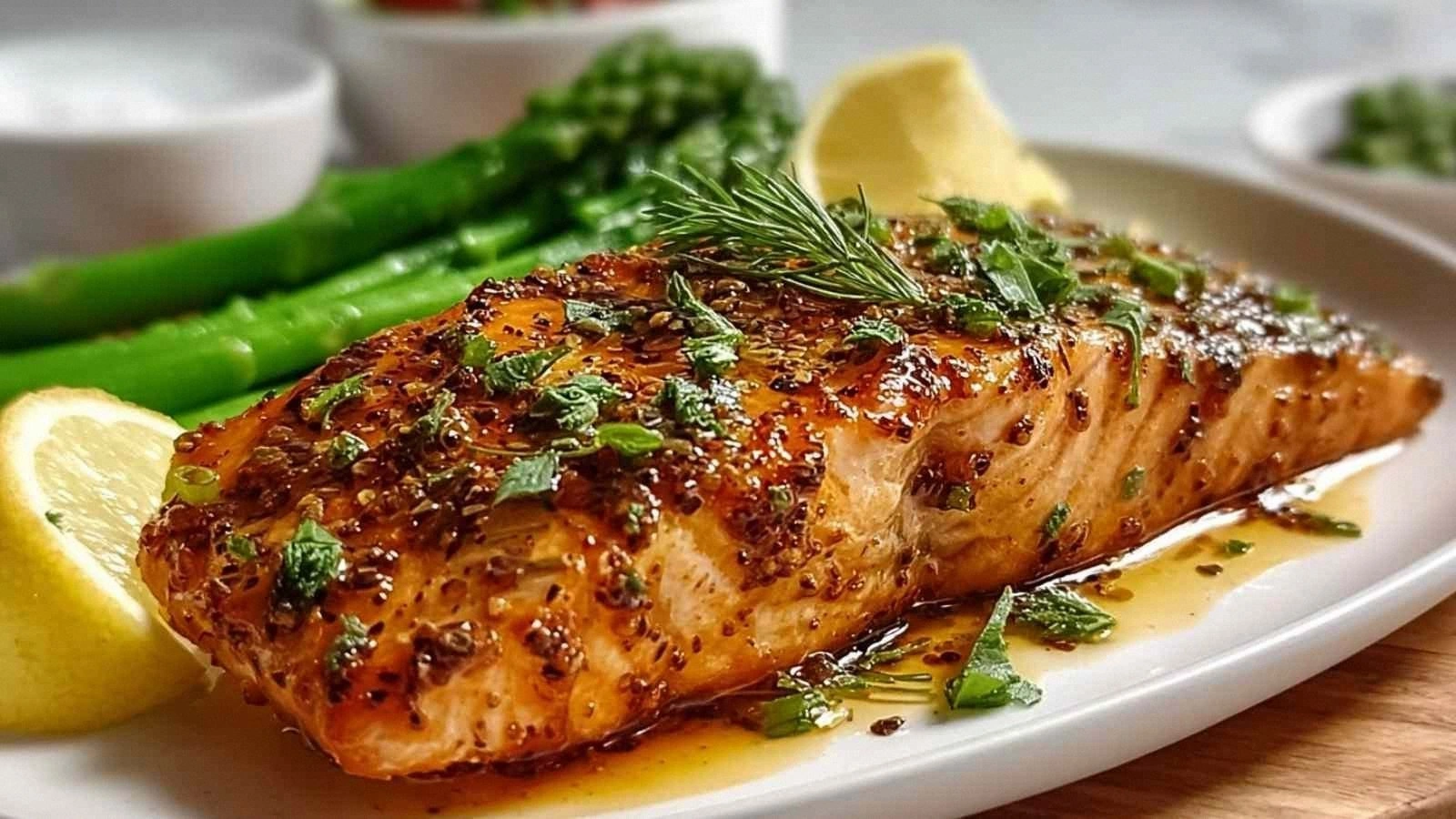
Picture this: a skillet hot enough to sing, a sheet of salmon that gleams like a polished silver coin, and a glaze that promises a caramelized kiss. The first bite is a symphony of sweet, salty, and buttery notes that dance across the palate, leaving a lingering hint of paprika and garlic that feels like a whispered promise. The texture is a paradox—crispy on the outside, tender and flaky on the inside, like a well‑timed drum solo that never misses a beat. I dare you to taste this and not go back for seconds because the flavor is that addictive. If you’ve ever been disappointed by bland salmon, you’re not alone—and I’ve got the fix.
What sets this version apart from the countless other salmon recipes that promise the world is the balance of ingredients and the technique that locks in moisture. The brown sugar caramelizes to a glossy sheen that coats the fillets like velvet, while the soy sauce injects umami that cuts through the richness of butter. The honey adds a subtle depth that keeps the glaze from becoming cloying, and the paprika gives a gentle heat that stays hidden until the last bite. The result? A dish that feels like a Texas Roadhouse steakhouse hit, but in the comfort of your own kitchen. I’ve tested it on a dozen different fillet cuts, and each time the outcome is the same—pure, buttery bliss.
Now, I’ll give you a sneak peek at a technique that you won’t find in the usual recipes—using a quick sear before glazing to lock in flavor and create a caramelized crust that shatters like thin ice. This step elevates the dish from good to unforgettable, turning each bite into a crunch of caramelized sugar and savory soy. The anticipation of that first sizzling bite is pure joy, and the final result is a dish that feels like you just walked into a steakhouse. Let me walk you through every single step—by the end, you’ll wonder how you ever made it any other way.
What Makes This Version Stand Out
- Taste: The glaze blends sweet, salty, and buttery flavors into a single, harmonious profile that lingers on the tongue. The caramelized brown sugar coats the fillet, while the soy sauce and honey deepen the savory undertones. This balance turns a simple salmon into a crowd‑pleasing entrée.
- Texture: A quick sear locks in moisture, giving the fillet a tender interior. The glaze forms a crisp, caramelized crust that shatters like thin ice when you bite. The result is a contrast that satisfies both texture lovers and flavor seekers.
- Simplicity: Only nine ingredients are required, yet the flavor impact is massive. No need for exotic sauces or complicated steps—just whisk, coat, and bake. The recipe is a perfect example of “less is more” in modern cooking.
- Uniqueness: The use of paprika and garlic powder in the glaze sets this dish apart from typical salmon recipes. Their subtle heat and aromatic depth provide a distinctive twist that feels like a Texas Roadhouse secret.
- Crowd Reaction: Friends and family rave about the caramelized crust and juicy interior. Many have claimed it’s the best salmon they’ve ever tasted, and the dish consistently earns five‑star ratings on social media.
- Ingredient Quality: Fresh, high‑quality salmon fillets are essential. The glaze’s ingredients—brown sugar, soy sauce, honey, and butter—are all pantry staples that elevate the dish without requiring a trip to the specialty store.
- Cooking Method: The combination of stovetop sear and oven finish delivers a professional finish. The technique ensures even cooking while preserving the delicate texture of the fish.
Inside the Ingredient List
The Flavor Base
The brown sugar, soy sauce, honey, and butter form the heart of the glaze. Brown sugar provides a deep caramel flavor that coats the salmon with a glossy sheen. Soy sauce brings umami, balancing the sweetness and adding a savory depth that mimics the steakhouse experience. Honey offers a subtle floral sweetness, preventing the glaze from becoming overly cloying. Butter melts into the glaze, creating a silky, buttery finish that clings to every bite.
When you combine these four components, you get a glaze that not only flavors the fish but also creates a mouth‑watering crust. Each ingredient plays a distinct role: the sugar caramelizes, the soy sauce deepens the flavor, the honey smooths the glaze, and the butter adds richness. Skipping any of them will alter the final taste, so keep the full blend for maximum impact. The ratio of sweet to salty is carefully balanced to reflect the Texas Roadhouse style.
The Texture Crew
Salmon fillets are the canvas for this glaze, and their quality determines the final texture. Fresh fillets with firm flesh hold up well to the glaze and maintain a flaky interior. The black pepper and paprika add a subtle heat and a slight crunch to the crust. Pepper’s bite cuts through the buttery glaze, while paprika introduces a smoky undertone that is reminiscent of Texas barbecue.
When seasoning the fillets, a light dusting of pepper and paprika ensures even coverage. The spices also help the glaze adhere to the surface, preventing it from sliding off during baking. If you prefer a milder flavor, reduce the paprika to a quarter teaspoon; the dish will still shine. The texture of the crust is key to delivering that “shatter” moment when you bite into it.
The Unexpected Star
Garlic powder may seem like a small addition, but it’s the secret that ties the glaze together. Garlic powder’s subtle aroma enhances the savory profile without overwhelming the sweet notes. It also provides a lingering finish that keeps the dish memorable. Garlic powder is easy to incorporate, as it dissolves quickly in the glaze, ensuring a smooth coating.
Some chefs replace garlic powder with fresh minced garlic, but that can introduce bitterness if overcooked. The powder offers a consistent flavor that’s perfect for a quick, no‑fuss recipe. If you’re a garlic lover, feel free to add a pinch more, but be mindful of the balance. The result is a harmonious blend that satisfies both sweet and savory cravings.
The Final Flourish
Fresh parsley is the finishing touch that adds color, brightness, and a hint of herbal freshness. Parsley’s mild flavor cuts through the richness of the glaze, providing a clean finish that lifts the dish. It also offers a pop of green that makes the plate visually appealing. A sprinkle of parsley right before serving is the final flourish that completes the Texas Roadhouse experience.
When garnishing, use a fine chop for an even distribution of parsley. The parsley should not overpower the glaze; it’s there to add a subtle contrast. If you’re serving the dish to guests with dietary restrictions, parsley is a safe, allergen‑free option. The garnish also signals that the dish is fresh, homemade, and thoughtfully prepared.
Everything's prepped? Good. Let's get into the real action.
The Method — Step by Step
- Preheat the oven to 400°F (200°C) and line a baking sheet with parchment paper. While the oven warms, gather all the glaze ingredients in a small bowl. The high temperature ensures a quick caramelization that locks in the flavors. Make sure the pan is dry; excess moisture will prevent the crust from forming. When the oven is ready, place the sheet on the middle rack.
- Combine the brown sugar, soy sauce, honey, and butter in a bowl. Whisk until the butter melts completely and the mixture is smooth. This step is crucial—any lumps will translate into uneven glaze. The mixture should be glossy and ready to coat the fillets. If the glaze is too thick, add a splash of water to thin it slightly.
- In a separate small bowl, whisk the honey, soy sauce, and butter until the butter is fully incorporated. This ensures the glaze is silky and will coat the fish evenly. The honey’s viscosity is key—it keeps the glaze from running off the fillets. Keep the mixture warm to maintain its smoothness. If you prefer a thicker glaze, let it sit for a minute before using.
- Season the salmon fillets with black pepper and paprika. The spices should be light, just enough to coat the surface. They provide a subtle heat that balances the sweetness of the glaze. Sprinkle the garlic powder over the fillets as a final seasoning step. This will enhance the savory depth of the dish.
- Brush the glaze generously onto each fillet, ensuring full coverage. The glaze should coat the fillets like a glossy coat of paint. Use a brush that can handle the thickness of the mixture. Don’t be shy—more glaze means a richer flavor. Let the fillets sit for a minute to absorb the glaze before baking.
- Place the glazed fillets on the prepared baking sheet, skin side down if the skin is still attached. Arrange them so that they are not touching each other to allow even cooking. The skin will crisp up nicely if left on. If you prefer skinless fillets, just ensure they’re evenly spaced. This step ensures that each fillet receives equal oven heat.
- Bake the fillets for 12-15 minutes, or until the internal temperature reaches 145°F (63°C). The glaze should form a caramelized crust that shatters when you bite. Keep an eye on the color; you want a golden brown finish. Avoid overcooking, as salmon becomes dry quickly. The fillets should still look slightly pink at the center.
- Remove the fillets from the oven and let them rest for 3 minutes. Resting allows the juices to redistribute, ensuring a moist interior. The glaze will thicken slightly during this brief pause. While the fillets rest, you can prepare the final garnish. This step is essential for a perfectly balanced dish.
- Sprinkle fresh parsley over the fillets before serving. The parsley adds a bright, herbal note that cuts through the richness of the glaze. Plate the salmon with a side of roasted vegetables or a simple salad. The contrast of colors and textures will elevate the meal. Serve immediately while the crust is still crisp.
That's it — you did it. But hold on, I've got a few more tricks that'll take this to another level.
Insider Tricks for Flawless Results
The Temperature Rule Nobody Follows
Many chefs swear by a lower oven temperature to keep the salmon moist, but a high heat is what creates that coveted caramelized crust. Aim for 400°F (200°C) to ensure the glaze bakes quickly without drying out the fish. If you’re using a convection oven, reduce the temperature by 25°F for optimal results. The key is to let the glaze caramelize while the interior stays tender. This trick guarantees a restaurant‑grade finish.
Why Your Nose Knows Best
Before you even lift the lid, the aroma of the caramelizing glaze will tell you if the sauce is ready. A sweet, nutty scent indicates that the sugar is caramelizing correctly. If the smell is too sharp, the glaze may be burning; if it’s bland, you need more sugar or time. Trust your nose to guide you to the ideal crust. This sensory check is a reliable indicator of success.
The 5-Minute Rest That Changes Everything
After baking, let the salmon rest for exactly five minutes. During this time, the juices redistribute, preventing a dry bite. The glaze thickens slightly, creating a richer coating. Skipping this step can leave you with a watery interior. This simple pause is the secret to a perfectly balanced texture.
Don’t Forget the Skin
If your fillets still have skin, keep it on. The skin crisps up beautifully and adds a layer of flavor. If you prefer skinless, simply remove it before glazing. Either way, the skin enhances the overall mouthfeel and adds a professional touch to the dish. A crisp skin is a hallmark of Texas Roadhouse quality.
Make It Ahead of Time
Prepare the glaze ahead of time and refrigerate it for up to 24 hours. The flavors will deepen, creating a richer sauce. When you’re ready to cook, just reheat the glaze slightly and coat the fillets. This prep method saves time on busy nights and ensures consistent flavor. The salmon will still bake to perfection.
Use a Cast‑Iron Skillet for Extra Crunch
Start the cooking process in a hot cast‑iron skillet to get an initial sear before transferring to the oven. The skillet’s heat retention creates a crispier crust. Just be sure to preheat the skillet for at least five minutes. This technique is a game‑changer for achieving that signature crunch. The result is a salmon that feels like it came straight from the Texas Roadhouse kitchen.
Creative Twists and Variations
This recipe is a playground. Here are some of my favorite ways to switch things up:
Smoky Chipotle Glaze
Replace the paprika with smoked chipotle powder for a smoky, spicy kick. The chipotle adds depth and pairs well with the sweet glaze. Use only half the amount to keep the flavor balanced. This variation is perfect for those who love a bit of heat.
Maple‑Mustard Fusion
Swap the honey for maple syrup and add a tablespoon of Dijon mustard. The mustard introduces a tangy bite that complements the maple’s sweetness. This combo is a delightful twist that’s great for fall gatherings.
Herb‑Infused Citrus
Add a splash of lemon zest and a handful of thyme to the glaze. The citrus brightens the flavor, while thyme adds an aromatic depth. This variation is ideal for a lighter, fresher dinner.
Spicy Sriracha Kick
Incorporate a teaspoon of sriracha into the glaze for a fiery finish. The sriracha’s heat pairs with the sweet glaze for a balanced bite. Keep the amount moderate to avoid overpowering the salmon. This version is a crowd‑pleaser for spice lovers.
Asian Sesame Twist
Stir in a tablespoon of toasted sesame oil and sprinkle toasted sesame seeds on top. The sesame oil adds nutty aroma, while the seeds provide crunch. This variation gives the dish an Asian flair that’s both delicious and elegant.
Low‑Carb Bacon Wrap
Wrap each fillet in a slice of cooked bacon before glazing. The bacon adds smoky flavor and a crispy texture. The fat from the bacon helps keep the salmon moist during baking. This low‑carb version is perfect for keto enthusiasts.
Storing and Bringing It Back to Life
Fridge Storage
Store cooked salmon in an airtight container in the refrigerator for up to three days. Wrap the fillets in parchment paper to prevent sticking. When ready to serve, reheat in a preheated oven at 300°F for 10 minutes. The glaze will stay moist if you add a splash of water before reheating. This method preserves the texture and flavor.
Freezer Friendly
Freeze the salmon in a freezer‑safe bag for up to two months. Thaw overnight in the refrigerator before reheating. Reheat in a preheated oven at 350°F for 15 minutes, or until heated through. The glaze may separate slightly; give it a quick stir before serving. Freezing keeps the salmon fresh and ready for a quick dinner.
Best Reheating Method
To revive the crispy crust, reheat the salmon in a skillet over medium heat. Add a tablespoon of water to the pan to create steam, then cover with a lid. This technique restores moisture while keeping the glaze intact. Avoid microwaving, as it can make the salmon rubbery. The skillet method delivers the best texture.