Picture this: you’re in a cramped apartment kitchen, the clock ticking, a craving for something fresh and exciting, and a single jar of peanut butter staring back at you like a silent partner. I was halfway through a bland stir‑fry, the rice still clumping together, when the idea hit me: veggie spring rolls, but with a fiery kick that would make my taste buds do the salsa. I grabbed the rice paper, sliced the veggies, and the kitchen turned into a carnival of colors and aromas. The scent of fresh basil mingled with the sharp tang of lime, while the sound of the wok sizzling sent a shiver down my spine. That moment was a culinary revelation, a promise that I could create something that was light, crunchy, and unapologetically spicy.
I dare you to taste this and not go back for seconds. The first bite is a burst of crisp veggies that crunch like freshly cut snow, followed by a silky peanut sauce that coats the roll like velvet. The heat from the chili flakes lingers just enough to tease the palate, but not so much that it overpowers the delicate herbs. It’s a balance that most spring roll recipes get wrong, but this version nails it with precision and personality. The fresh herbs add a herbal brightness, while the tofu provides a subtle protein punch that keeps you satisfied. Every ingredient is chosen for its texture, flavor, and the way it plays off the others.
Most people think of spring rolls as a simple appetizer, but this one is a statement. I’ve spent countless hours tweaking the ratio of rice paper to filling to get the perfect seal that holds everything together without becoming soggy. The sauce, a secret blend of peanut butter, coconut milk, and a splash of fish sauce, is the unsung hero that ties the whole dish together. The result is a roll that is as beautiful as it is delicious, with a crunch that shatters like thin ice when you bite into it. If you’ve ever struggled with spring rolls that fall apart or taste bland, you’re not alone — and I’ve got the fix.
And now the fun part: we’re going to build these rolls from scratch, layer by layer, and watch the magic unfold. Let me walk you through every single step — by the end, you’ll wonder how you ever made it any other way. Picture yourself pulling this out of the wok, the whole kitchen smelling incredible, and the first bite sending a wave of flavor across your tongue. It’s not just a recipe; it’s a journey that ends with a satisfying crunch and a lingering hint of heat. So grab your ingredients, roll up your sleeves, and let’s dive in.
What Makes This Version Stand Out
- Taste: The sauce is a silky, nutty, and slightly sweet base that balances the heat from the chili flakes, creating a flavor profile that’s both bold and harmonious.
- Texture: The combination of fresh veggies, vermicelli noodles, and tofu delivers a layered crunch that’s impossible to replicate with pre‑made fillings.
- Simplicity: Despite the complex flavor, the steps are straightforward, making it a great choice for both seasoned cooks and kitchen newbies.
- Uniqueness: The addition of coconut milk to the peanut sauce gives a subtle creaminess that sets this roll apart from conventional versions.
- Crowd Reaction: Guests often comment that the rolls are “the best thing I’ve had all day,” and they keep asking for the recipe.
- Ingredient Quality: Using fresh, seasonal produce ensures that each bite bursts with natural sweetness and crispness.
Alright, let's break down exactly what goes into this masterpiece...
Inside the Ingredient List
The Flavor Base
Peanut butter is the heart of the sauce, offering a rich, nutty foundation that carries the heat from the chili flakes. Coconut milk adds a silky creaminess, preventing the sauce from becoming too thick while giving it a subtle tropical twist. Fish sauce injects umami depth, balancing the sweetness of the sugar and the brightness of the lime. Together, they create a sauce that coats the roll like velvet and lingers on the tongue.
The Texture Crew
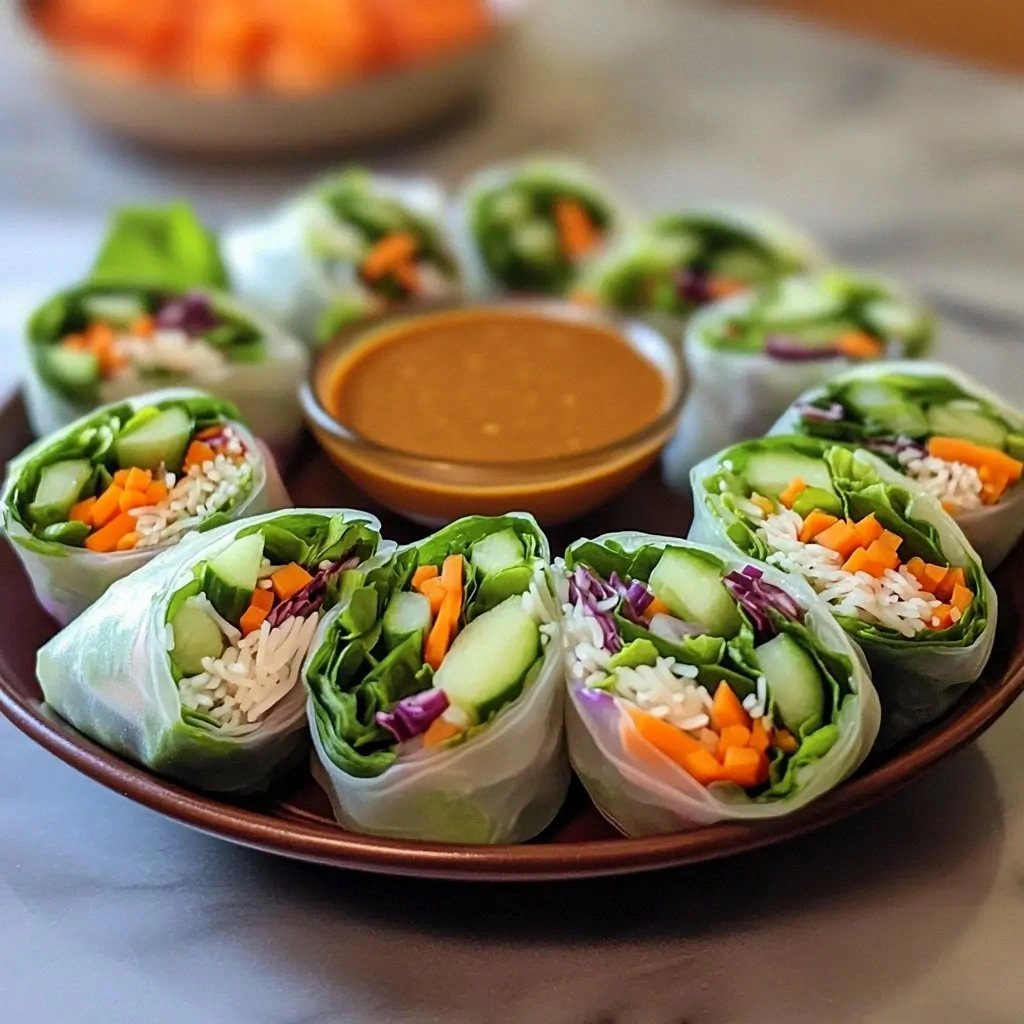
Shredded carrots and sliced cucumber bring a satisfying crunch that echoes the snap of fresh snow. Vermicelli noodles add a chewy element that contrasts the crisp vegetables, while tofu provides a tender protein that absorbs the sauce’s flavors. Fresh herbs—mint, cilantro, and basil—offer a fragrant, herbal lift that keeps the dish from feeling heavy. These textures intertwine to create a multi‑sensory experience.
The Unexpected Star
Red cabbage, often overlooked, adds a subtle sweetness and a pop of color that makes each roll visually stunning. Its slightly crunchy texture holds up well against the wet rice paper, preventing sogginess. When sliced thin, it becomes a delightful surprise that many people don’t expect in a spring roll.
The Final Flourish
A splash of lime juice brightens the entire dish, cutting through the richness of the peanut sauce and adding a citrusy zing. Sesame oil lends a nutty aroma that deepens the sauce’s complexity. A pinch of salt and pepper finish the seasoning, ensuring that every bite is perfectly balanced.
Everything's prepped? Good. Let's get into the real action…
The Method — Step by Step
- Begin by cooking the vermicelli noodles according to the package instructions, then rinse them under cold water to stop the cooking process. Drain thoroughly and set aside; they should be firm yet tender. This step ensures the noodles don’t become mushy when mixed with the sauce.
- In a small bowl, whisk together peanut butter, coconut milk, fish sauce, sugar, lime juice, and chili flakes until you achieve a smooth, pourable sauce. Taste and adjust the heat or sweetness to your liking. The sauce should be thick enough to coat the roll but not so thick that it clings.
- Lay a sheet of rice paper on a damp kitchen towel and let it soften for 10‑15 seconds. It should be pliable but not soggy. This is the moment of truth: if the paper cracks, it’s too dry. A quick dip in warm water fixes it instantly.
- Place a small mound of the sauce in the center of the softened rice paper. Then add a layer of vermicelli noodles, followed by shredded carrots, sliced cucumber, thinly sliced red cabbage, tofu cubes, and a handful of fresh herbs. The arrangement should be tight but not overstuffed.
- Fold the sides of the rice paper over the filling, then roll tightly from the bottom up, ensuring the roll stays sealed. The rolling motion should be firm enough to hold the ingredients together, but gentle to avoid tearing the delicate wrapper.
- Repeat the process until all fillings are used. Store the finished rolls in an airtight container in the refrigerator for up to 48 hours. The rolls remain fresh and flavorful, especially when served with the same sauce.
- Just before serving, drizzle a little extra sauce on the side. This allows guests to dip each bite, ensuring maximum flavor. The sauce should be thick enough to cling to the roll but not so thick that it becomes sticky.
- Serve immediately with a sprinkle of fresh herbs and a wedge of lime. The fresh lime adds a bright burst that cuts through the richness of the peanut sauce. The dish is now ready to impress.
That’s it — you did it. But hold on, I've got a few more tricks that'll take this to another level. These little adjustments will elevate the flavor profile, the texture, and the overall wow factor.
Insider Tricks for Flawless Results
The Temperature Rule Nobody Follows
When cooking the vermicelli, keep the heat medium-high to avoid overcooking. A common mistake is to let the noodles sit in hot water for too long, which makes them mushy. I’ve found that a quick rinse in cold water stops the cooking process instantly, preserving that perfect bite. This trick ensures your rolls have that satisfying chew.
Why Your Nose Knows Best
Before adding the sauce to the rice paper, give it a quick sniff. If the aroma is too sweet or too fishy, adjust the balance. The scent is a great indicator of how the flavors will meld. When the aroma is balanced, the final taste will be spot on. Trust your nose; it’s a reliable chef’s tool.
The 5‑Minute Rest That Changes Everything
After rolling, let the rolls rest for 5 minutes before cutting. This allows the filling to settle and the rice paper to firm up slightly, preventing the roll from unraveling when sliced. A quick rest also lets the sauce meld with the veggies, creating a cohesive bite. It’s a simple step that saves a lot of frustration.
Keep It Cool, Keep It Crisp
Store the rolls in a cool, dry place if you plan to serve them within a few hours. Warm temperatures can soften the rice paper, making it more prone to tearing. If you’re preparing ahead, refrigerate them in a sealed container. When you’re ready to serve, let them sit at room temperature for a few minutes to regain their crispness.
The Secret of the Fresh Herbs
Use a generous amount of herbs, but don't let them dominate the filling. A balanced ratio keeps the flavor bright without overpowering the other ingredients. I like to fold in the herbs at the very end of the rolling process to preserve their fresh aroma. The result is a roll that bursts with herbal freshness.
Creative Twists and Variations
This recipe is a playground. Here are some of my favorite ways to switch things up:
Protein Power Roll
Swap tofu for grilled shrimp or sliced tempeh. The protein adds a different texture and a savory depth that pairs wonderfully with the spicy sauce. This variation is perfect for a dinner crowd that loves seafood or plant‑based proteins.
Crunchy Citrus Roll
Add thinly sliced orange segments and replace the lime juice with orange juice. The citrusy sweetness balances the heat and gives the roll a bright, tropical twist. Guests will love the burst of fresh flavor.
Mango Madness
Include diced ripe mango for a sweet, juicy contrast. The mango’s natural sugars complement the peanut sauce, while the heat keeps the dish from being too sweet. This version is ideal for a summer brunch.
Smoky Chipotle Roll
Add a dash of chipotle powder to the sauce for a smoky, deep‑flavor kick. The smoky undertone pairs well with the fresh herbs and adds complexity. This is a great option for a cozy, late‑evening meal.
Cheesy Delight
Sprinkle a little shredded mozzarella or feta on top of the roll before sealing. The cheese melts slightly, creating a gooey center that contrasts the crisp rice paper. This variation turns the roll into a mini appetizer that feels indulgent.
Storing and Bringing It Back to Life
Fridge Storage
Place the rolls in an airtight container or zip‑lock bag, and refrigerate for up to 48 hours. Keep them in a cool, dry area of the fridge to maintain their crispness. If you notice any moisture, pat the rolls dry with a paper towel before serving.
Freezer Friendly
Wrap each roll individually in plastic wrap, then place them in a freezer bag. They can be frozen for up to two weeks. To thaw, leave them in the refrigerator overnight or let them sit at room temperature for 15 minutes.
Best Reheating Method
Reheat in a steamer or microwave for 30‑60 seconds, adding a tiny splash of water before heating to create steam. This trick keeps the rice paper from becoming dry and maintains the fresh texture of the filling. Serve immediately with a fresh drizzle of sauce.