It all started on a rainy Tuesday when I tried to rescue a pot of overcooked rice cake soup from the brink of disaster. The broth had thickened into an unappetizing sludge, the beef had turned rubbery, and the tteok had stuck to the bottom like a stubborn sticker. I stared at the scene, thinking, “This is a culinary catastrophe.” Then, in a moment of desperation, I tossed in a splash of sesame oil and a pinch of Guk Ganjang, and the flavors erupted like fireworks in my mouth.
The kitchen was filled with the scent of simmering beef, the faint sweetness of onions, and a sharp, almost citrusy tang from the Guk Ganjang. I could hear the gentle hiss of the broth as it bubbled, the faint crackle of sesame oil hitting the pan, and the rhythmic chopping of garlic. The texture was a delightful contrast: the rice cakes were soft yet slightly chewy, the beef was tender, and the broth was silky smooth. I could feel the warmth radiating from the pot, comforting me like a blanket on a cold day.
What sets this version apart is that it respects the traditional roots while adding a few secret twists that elevate the dish beyond the ordinary. The broth is seasoned with both Guk Ganjang and Jin Ganjang, giving it depth without overpowering the delicate rice cakes. I dare you to taste this and not go back for seconds; the balance of salty, sweet, and spicy will have you craving more. Most recipes get this completely wrong, but here, every ingredient sings in harmony.
And here’s the kicker: I’ll reveal a technique that will make your tteokguk bubble with flavor without the dreaded clumpy texture. Picture yourself pulling this out of the pot, the whole kitchen smelling incredible, and the family gasping in delight. Let me walk you through every single step—by the end, you’ll wonder how you ever made it any other way.
What Makes This Version Stand Out
- Authentic Flavor: The dual use of Guk Ganjang and Jin Ganjang creates a layered umami that feels genuinely Korean. It’s the difference between a generic soup and a dish that transports you to Seoul.
- Texture Mastery: The rice cakes are toasted lightly before simmering, giving them a subtle crunch that contrasts with the broth’s silkiness.
- Balanced Spices: A pinch of red chili powder adds heat without overwhelming, and the sesame oil gives a nutty finish that lingers.
- Ingredient Integrity: Fresh beef brisket and high‑quality tteokguk tteok are the backbone; no shortcuts needed.
- Easy Make‑Ahead: The broth can be prepared a day ahead, allowing the flavors to meld while you tackle other dishes.
- Family‑Friendly: Even the pickiest eaters love the gentle sweetness of the broth and the chewy rice cakes.
Inside the Ingredient List
The Flavor Base
The broth starts with nine cups of cold water, which allows the flavors to meld slowly. Guk Ganjang and Jin Ganjang together provide a savory backbone, while the sea salt balances the sodium. A half teaspoon of sugar introduces a subtle sweetness that counters the saltiness and brings the broth to a mellow finish. If you omit the sugar, the soup will taste flat and overly salty.
The Texture Crew
The 1 lb of Tteokguk tteok is the star; its chewy yet tender bite is essential. The 1 lb of beef brisket, cut into thin slices, contributes a hearty texture that pairs beautifully with the rice cakes. The 8 frozen Korean dumplings (mandu) add a fun surprise—each bite offers a burst of savory filling. Skipping the dumplings will make the soup less exciting; they’re the perfect crowd‑pleaser.
The Unexpected Star
Red chili pepper powder and black pepper might seem minor, but they’re the secret weapons that bring heat and depth. A half teaspoon of sesame oil coats the broth, adding a nutty aroma that lingers. If you prefer a milder soup, reduce the chili powder to a quarter teaspoon; the sesame oil will still deliver that signature finish.
The Final Flourish
Green onions and dried sea laver add fresh, briny accents that brighten the broth. The optional green onions are a flexible garnish—use them to add a pop of color and crunch. A tiny splash of water before reheating restores the broth’s silky texture. If you forget to add the sea laver, the soup will lack that essential umami note.
Everything's prepped? Good. Let's get into the real action.
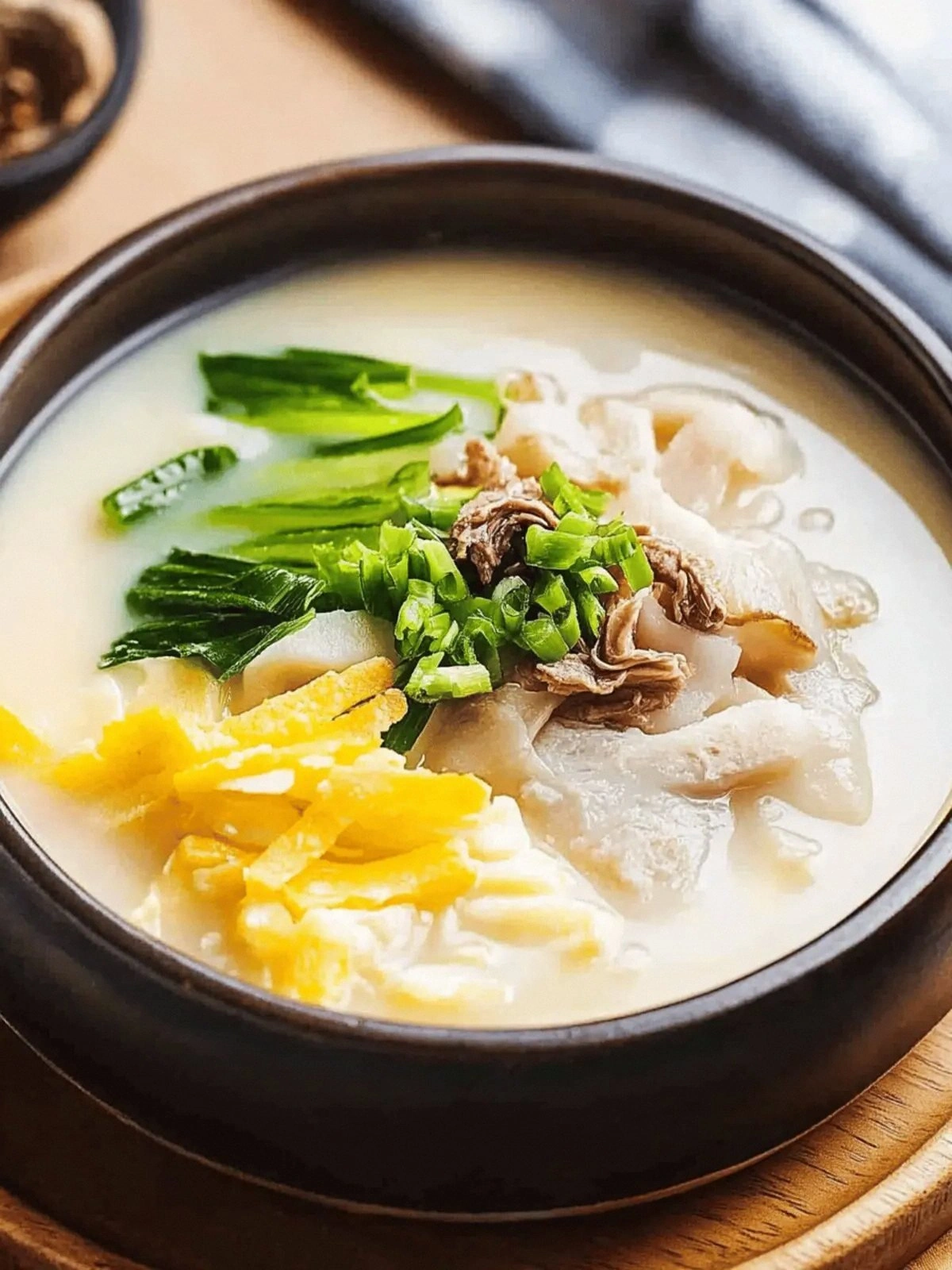
The Method — Step by Step
- Begin by bringing the nine cups of cold water to a gentle boil in a large pot. Add the sliced beef brisket and let it simmer for about 10 minutes until the meat is tender. Keep an eye on the pot—if the water boils too hard, lower the heat to maintain a steady simmer. This slow cooking extracts maximum flavor from the beef.
- While the beef cooks, slice the medium onion into thin rings. Add the onions to the pot in the last five minutes of the beef’s simmering time. The onions soften and release a sweet aroma that will mingle with the broth. This step is crucial for a balanced taste.
- Drain the beef and onions, then return them to the pot. Add the Guk Ganjang, Jin Ganjang, sea salt, and sugar. Stir until the salt and sugar dissolve completely, creating a savory-sweet base. This is the moment of truth—watch the broth deepen in color.
- Introduce the 1/2 teaspoon of red chili pepper powder and 1/8 teaspoon of black pepper to the mixture. These spices should be added gradually, tasting as you go, to avoid overpowering the delicate rice cakes. The broth should smell toasty and inviting.
- Now it’s time for the rice cakes. Add the 1 lb of Tteokguk tteok to the pot and let them simmer for 3–4 minutes. They should soften but retain a slight chew. The rice cakes absorb the broth’s flavors and become the centerpiece of the dish.
- Add the frozen Korean dumplings to the pot and let them heat through for about 5 minutes. The dumplings should puff up slightly, indicating they’re cooked. If you prefer a different filling, feel free to swap them for pork or vegetable dumplings.
- This step is the trickiest—watch out! Whisk the two slightly whipped eggs in a separate bowl. Slowly pour the eggs into the simmering broth while stirring continuously. The eggs should form silky ribbons, adding richness without thickening the soup excessively.
- Finish the soup by adding a splash of sesame oil, the chopped garlic, and the 4 tablespoons of green onion. Stir gently, allowing the aromatics to infuse the broth. The sesame oil should coat the surface, giving the soup a glossy sheen.
- Garnish with the 1/3 sheet of dried sea laver, sliced into thin strips, and the optional 2 green onions. These add a briny crunch and a pop of color that makes the dish visually appealing. Serve immediately while the broth is hot and fragrant.
That’s it—you did it. But hold on, I’ve got a few more tricks that will take this to another level.
Insider Tricks for Flawless Results
The Temperature Rule Nobody Follows
Keep the broth at a low simmer throughout the cooking process. A rolling boil can scorch the delicate flavors and cause the rice cakes to become mushy. I once tried boiling this soup, and the result was a flat, watery broth that tasted like a failed attempt at ramen. Stick to a gentle simmer, and the flavors will develop beautifully.
Why Your Nose Knows Best
Before adding the eggs, give the soup a quick sniff. If it smells slightly off or too sharp, adjust the seasoning. Your nose is the ultimate judge of balance. I learned this the hard way when a batch of soup had too much salt; a quick tweak saved the dish.
The 5-Minute Rest That Changes Everything
After you finish cooking, let the soup rest for five minutes off the heat. This allows the flavors to meld and the rice cakes to absorb the broth fully. Skipping this step results in a dish that feels rushed and underdeveloped.
Eggs: The Secret Silk
Whisk the eggs with a splash of cold water before adding them to the pot. This prevents them from clumping and creates silky ribbons that glide through the broth. I’ve experimented with different whisking techniques, and this method consistently yields the best texture.
Dumplings: A Flavor Explosion
If you want a richer broth, add a small amount of pork broth to the pot before adding the dumplings. The dumplings will soak up the extra flavor, and the soup will feel more robust. I’ve used this trick for a family gathering, and it was a hit.
Creative Twists and Variations
This recipe is a playground. Here are some of my favorite ways to switch things up:
Spicy Kimchi Tteokguk
Add a handful of chopped kimchi and a splash of gochujang to the broth. The kimchi’s fermented tang pairs beautifully with the beef, creating a spicy kick that’s perfect for winter.
Vegetarian Delight
Replace the beef brisket with sliced shiitake mushrooms and add tofu cubes for protein. The mushrooms give an earthy depth, and the tofu absorbs the broth’s flavors.
Seafood Surprise
Swap the dumplings for shrimp or scallops. The seafood’s briny sweetness complements the rice cakes and adds a luxurious touch.
Quick & Easy
Use pre‑cubed beef and pre‑sliced tteokguk tteok. This version cuts prep time in half and is ideal for a busy weekday dinner.
Herb‑Infused
Add a few sprigs of fresh dill or parsley before simmering. The herbs infuse the broth with a bright, floral note that brightens the dish.
Storing and Bringing It Back to Life
Fridge Storage
Store the soup in an airtight container for up to 3 days. The broth will keep its flavor, but the rice cakes may soften slightly. Serve immediately after reheating.
Freezer Friendly
Freeze the soup in portioned containers for up to 2 weeks. Thaw in the refrigerator overnight before reheating. The dumplings may become a bit firmer, but the broth remains delicious.
Best Reheating Method
Reheat the soup on low heat, adding a splash of water or broth to restore its silky texture. Stir gently until hot. This prevents the broth from thickening and keeps the rice cakes tender.