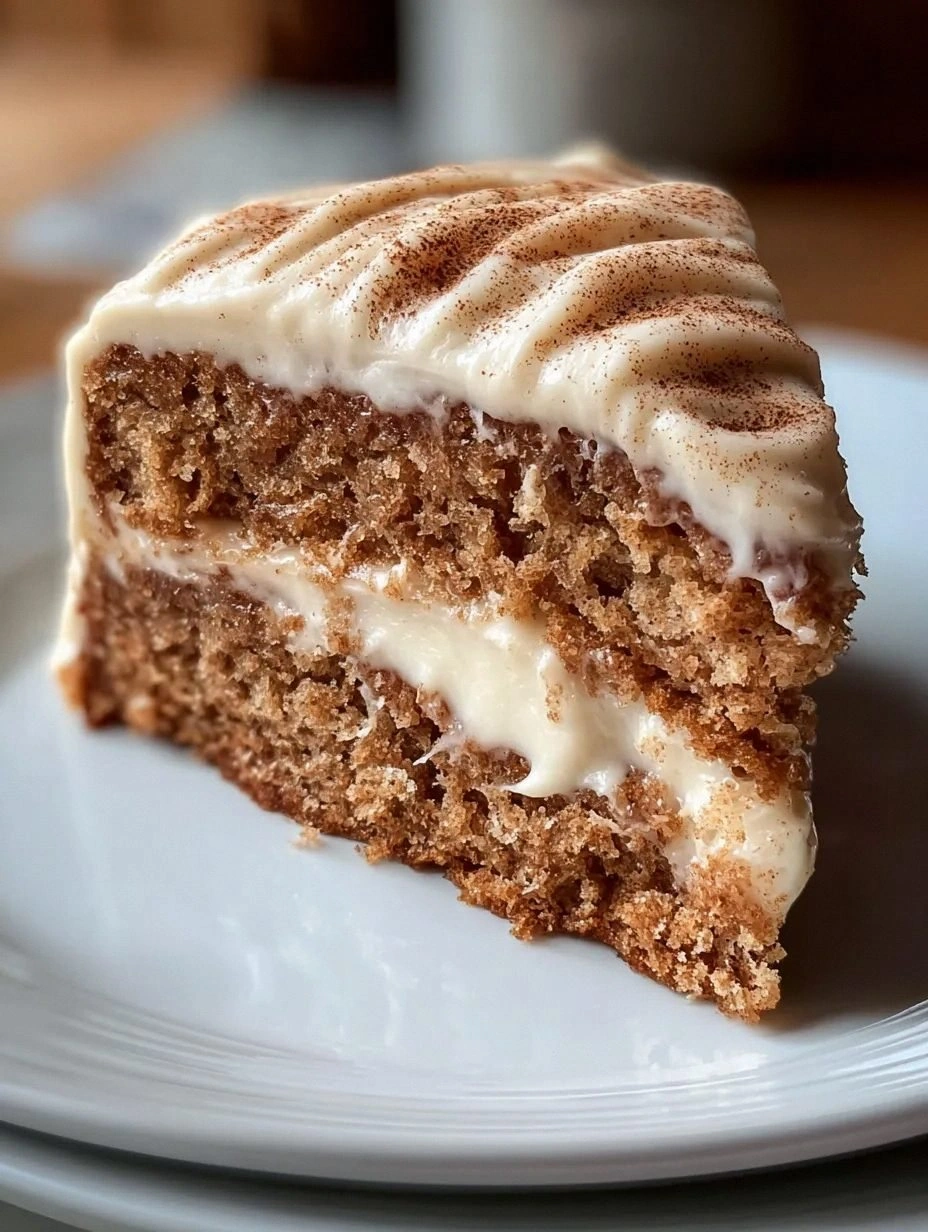
The moment the batter hit the bowl, the kitchen filled with a sweet, spicy perfume that made my nose do a little happy dance. Imagine the scent of cinnamon‑spiced apples swirling with a hint of caramel, the kind of aroma that makes you want to curl up on the couch with a blanket and a good book. As the cake rose in the oven, the edges turned a golden‑brown that looked like a sunrise over a crisp fall field, while the center stayed moist and tender, almost like a warm hug you can eat. When the timer chimed, I pulled the cake out and slathered it with a velvety cream cheese frosting that had just the right amount of cinnamon kick — it was pure, unapologetic comfort.
Most applesauce cakes I’ve tried either end up dry, or they miss that magical balance between sweet and spice. Most recipes get this completely wrong. Here’s what actually works: a precise ratio of applesauce to butter, a splash of milk for extra tenderness, and a double‑layered spice blend that hits the palate from every angle. The frosting isn’t just a topping; it’s a flavor bomb that transforms the cake from good to legendary. I dare you to taste this and not go back for seconds — it’s that good.
Now, I’m about to walk you through every single step — by the end, you’ll wonder how you ever made it any other way. Okay, ready for the game‑changer? Let’s dive in, because the next part? Pure magic.
What Makes This Version Stand Out
- Taste: The marriage of applesauce and brown sugar creates a deep, caramel‑like sweetness that’s balanced by a bold cinnamon‑nutmeg duo.
- Texture: A tender crumb that stays moist for days, thanks to the oil‑in‑applesauce trick and a splash of milk.
- Simplicity: Fewer than fifteen ingredients, all pantry staples, no exotic spices or hard‑to‑find items.
- Uniqueness: The frosting is a creamy, tangy cream cheese base spiked with cinnamon, turning a simple cake into a show‑stopper.
- Crowd Reaction: Even the pickiest eaters (yes, the ones who turn their noses up at fruit desserts) swoon after the first bite.
- Ingredient Quality: Using unsweetened applesauce lets you control the sweetness and keeps the flavor pure.
- Cooking Method: A single‑pan bake means no juggling multiple dishes, and the even heat of a 350°F oven guarantees a perfect rise.
- Make‑Ahead Potential: The cake freezes beautifully, and the frosting can be whipped up in minutes whenever you’re ready to serve.
Inside the Ingredient List
The Flavor Base
Applesauce is the hero of this dish. It brings natural sweetness, moisture, and a subtle tartness that cuts through the richness of butter. If you skip it, you’ll end up with a dry, one‑dimensional cake that feels more like a biscuit than a dessert. A good rule of thumb: always choose unsweetened, no‑add‑sugar varieties so you can control the final sweetness. Pro tip: give the applesauce a quick stir before measuring to reincorporate any settled liquid.
Granulated sugar and brown sugar work together like a dynamic duo. The white sugar gives the cake its structure, while the brown sugar adds a caramel depth and a moist crumb. If you’re watching sugar, you can reduce the white sugar by a quarter and replace it with more applesauce, but expect a slightly denser texture. For an extra hint of autumn, try a splash of maple syrup in place of a tablespoon of the brown sugar.
The Texture Crew
All‑purpose flour is the backbone, providing structure without making the cake tough. I recommend sifting it with the leavening agents (baking powder and soda) to ensure an even rise. Skipping the sift can lead to pockets of flour that feel gritty on the tongue. If you’re gluten‑sensitive, a 1‑to‑1 gluten‑free flour blend works fine, just add a teaspoon of xanthan gum.
Butter, melted and cooled, adds richness and helps the cake develop that golden crust you crave. The trick is to let it cool slightly before mixing with the wet ingredients, otherwise you’ll accidentally “cook” the eggs. For a dairy‑free version, swap the butter for coconut oil, but keep in mind the coconut flavor will become pronounced.
The Unexpected Star
Cinnamon and nutmeg are the spices that turn this from ordinary to unforgettable. Cinnamon brings warmth, while nutmeg adds a whisper of earthiness that lingers on the palate. A common mistake is to over‑spice, which can mask the applesauce’s natural flavor. If you’re a spice lover, feel free to add a pinch of allspice or cloves for a deeper profile.
The Final Flourish
The frosting is where the magic truly happens. Cream cheese provides that tangy bite that cuts through the sweetness, while powdered sugar sweetens and stabilizes the frosting. A tablespoon of butter adds silkiness, and a teaspoon of cinnamon ties the whole dessert together. If you want a lighter frosting, halve the powdered sugar and add a splash of milk to keep it spreadable.
Everything's prepped? Good. Let’s get into the real action…
The Method — Step by Step
Preheat your oven to 350°F (175°C) and grease a 9‑inch round cake pan with butter, then dust lightly with flour. The pan should feel slick but not greasy; this ensures the cake releases cleanly. While the oven warms, line the bottom with parchment paper — the extra step saves you from a heartbreaking “stuck cake” scenario later.
Kitchen Hack: If you don’t have parchment, lightly flour the pan after greasing; the flour creates a barrier that mimics parchment’s release.In a large mixing bowl, whisk together the flour, baking powder, baking soda, salt, cinnamon, and nutmeg. The mixture should look like a speckled sandstorm; this is your dry foundation. Stop whisking once everything is evenly combined — over‑mixing the dry ingredients can lead to a tough cake.
In a separate bowl, combine the melted butter, granulated sugar, and brown sugar. Beat with a hand mixer on medium speed until the mixture is light and fluffy, about two minutes. This is the point where the kitchen smells like a bakery, and you’ll see the sugar crystals start to dissolve.
Add the eggs one at a time, beating well after each addition. Then stir in the vanilla extract and the applesauce, mixing until the batter is smooth and glossy. The batter should have a thick‑but‑pourable consistency; if it looks too thick, whisk in a tablespoon of milk.
Gradually fold the dry ingredient mixture into the wet batter, using a rubber spatula. Scrape the sides of the bowl to ensure no pockets of flour remain. The batter will look slightly lumpy — that’s normal; you’re not aiming for a perfectly smooth batter, you’re aiming for a tender crumb.
Pour the batter into the prepared pan, smoothing the top with the spatula. Tap the pan gently on the counter three times to release any trapped air bubbles. The surface should be even, but a few little peaks are okay — they’ll settle as the cake bakes.
Slide the pan into the oven and bake for 30‑35 minutes, or until a toothpick inserted into the center comes out clean with just a few moist crumbs. The edges will start pulling away from the pan, a visual cue that the cake is done. Resist the urge to open the oven door early; the sudden temperature drop can cause the cake to sink.
Watch Out: Over‑baking by even a couple of minutes can dry out the crumb, turning that luscious texture into a rubbery disappointment.While the cake cools, prepare the frosting. In a medium bowl, beat the softened cream cheese and butter together until light and airy, about one minute. Add the powdered sugar, one cup at a time, beating on low to avoid a sugar cloud explosion.
Stir in the cinnamon, vanilla, and a pinch of salt. Increase the mixer speed to medium‑high and beat until the frosting is smooth, glossy, and holds soft peaks. Taste and adjust the cinnamon if you crave a bolder spice punch.
Kitchen Hack: If the frosting feels too thick, whisk in a teaspoon of milk; if it’s too runny, add a tablespoon more powdered sugar.Once the cake is completely cool (warm cake will melt the frosting), spread the cream cheese mixture over the top in a generous, even layer. Use an offset spatula to create a rustic swirl pattern — no need for perfection, the imperfections add charm.
And now the fun part: slice, serve, and watch your guests’ eyes widen with each bite. That first forkful? It’s the perfect marriage of moist apple‑laden crumb and tangy cinnamon frosting. That sizzle when it hits the pan? Absolute perfection.
That’s it — you did it. But hold on, I’ve got a few more tricks that’ll take this to another level…
Insider Tricks for Flawless Results
The Temperature Rule Nobody Follows
Never bake a cake straight from the fridge. Let the batter sit at room temperature for five minutes before it goes into the oven. This small pause helps the leavening agents activate evenly, resulting in a higher, more uniform rise. I once tried to rush the process, and the cake rose like a lopsided volcano — not pretty.
Why Your Nose Knows Best
Instead of relying solely on a timer, trust your senses. When the cake is about 28 minutes in, give the kitchen a quick sniff. If you catch a warm, caramel‑spice aroma, it’s probably done. If the scent is still faint, give it another two minutes. Your nose is a built‑in oven thermometer.
The 5‑Minute Rest That Changes Everything
After removing the cake from the oven, let it rest in the pan for five minutes before transferring to a wire rack. This brief pause allows the steam to finish cooking the interior gently, preventing a soggy bottom. A friend once skipped this step and ended up with a crust that was too firm, ruining the delicate crumb.
Frosting Temperature Trick
Make sure both the cream cheese and butter are softened to the same temperature before mixing. If one is colder, the frosting will separate; if one is warmer, it’ll become runny. The perfect temperature is about 68°F (20°C) — the sweet spot for a smooth, stable frosting.
The Secret of the Final Swirl
When spreading the frosting, dip your spatula in hot water, dry it, then glide it over the surface. The heat creates a glossy finish and a subtle marbled effect that looks bakery‑professional. I’ve used this trick on dozens of cakes, and the compliments never stop.
Creative Twists and Variations
This recipe is a playground. Here are some of my favorite ways to switch things up:
Maple‑Pecan Crunch
Swap half of the brown sugar for pure maple syrup and fold in ½ cup toasted pecans. The result is a caramel‑nutty surprise that pairs beautifully with the cinnamon frosting.
Apple Cider Glaze
Replace the frosting entirely with a thin glaze made from reduced apple cider, powdered sugar, and a pinch of cinnamon. This version is lighter, perfect for brunch tables where you want a touch of sweetness without the richness.
Pumpkin Spice Fusion
Add ½ cup pumpkin puree to the batter and increase the cinnamon to 3 teaspoons, adding a dash of ginger. The pumpkin adds earthiness, while the extra spice makes the cake feel like a Thanksgiving centerpiece.
Gluten‑Free Almond Flour
Replace the all‑purpose flour with an equal weight of almond flour and add ¼ tsp xanthan gum. The cake becomes slightly denser but gains a nutty aroma that complements the applesauce beautifully.
Vegan Delight
Swap butter for coconut oil, use flax eggs (1 tbsp ground flax + 3 tbsp water per egg), and replace cream cheese with a vegan cream cheese alternative. The flavor profile shifts subtly, but the texture remains delightfully moist.
Storing and Bringing It Back to Life
Fridge Storage
Cover the cake loosely with plastic wrap or store it in an airtight container. It will stay fresh for up to five days. The frosting may firm up a bit; let the cake sit at room temperature for 20 minutes before serving to regain its silky texture.
Freezer Friendly
Wrap the cooled, unfrosted cake tightly in foil, then place it in a freezer‑safe bag. It freezes well for up to three months. When you’re ready to enjoy, thaw overnight in the fridge, then add a fresh swirl of frosting.
Best Reheating Method
To revive a slice, preheat the oven to 300°F (150°C), place the slice on a parchment‑lined tray, and add a tiny splash of water to the edge of the cake. Cover loosely with foil and heat for 8‑10 minutes. The steam created by the water restores the moisture, and the slice emerges as if it were fresh out of the oven.