Okay, picture this: it’s a rainy Saturday afternoon, the kind that makes you want to hug a blanket and stare at the oven like it’s a portal to another universe. I was halfway through a marathon of sitcom reruns when a sudden craving for something chocolatey, buttery, and utterly indulgent hit me like a plot twist. I rummaged through the pantry, found a half‑eaten bar of dark cooking chocolate, and thought, “What if I could turn this into a shortbread that feels like a hug from a chocolate‑loving grandma?” The result? A batch of cookies so decadently rich they practically melt in your mouth before you even realize you’ve taken a bite. I dare you to taste this and not go back for seconds.
The kitchen was a symphony of sounds: the soft thud of butter hitting the bowl, the gentle whisking that sounded like a whisper, and the faint pop of the oven preheating like a distant fireworks show. The air filled with the intoxicating aroma of melted chocolate mingling with a hint of orange zest—imagine a citrusy sunrise breaking through a dark, velvety night. My fingertips felt the cool, smooth butter as it softened, and the flour dusted the countertop like fresh snow. When the first batch emerged from the oven, the edges were crisp enough to crack like thin ice, while the centers were buttery, chocolate‑streaked clouds that seemed to sigh with satisfaction.
Why does this version stand out? Most shortbread recipes either forget the chocolate or drown the butter in cocoa, resulting in a dry, crumbly mess. I’ve cracked the code: a perfect balance of high‑quality dark chocolate, a whisper of orange zest for brightness, and a splash of vegetable oil that keeps the crumb tender without sacrificing that classic shortbread snap. Most recipes get this completely wrong. Here’s what actually works: a precise ratio of butter to flour, the addition of powdered sugar for a melt‑in‑your‑mouth texture, and a quick melt‑and‑mix technique that locks in flavor before the dough even hits the oven.
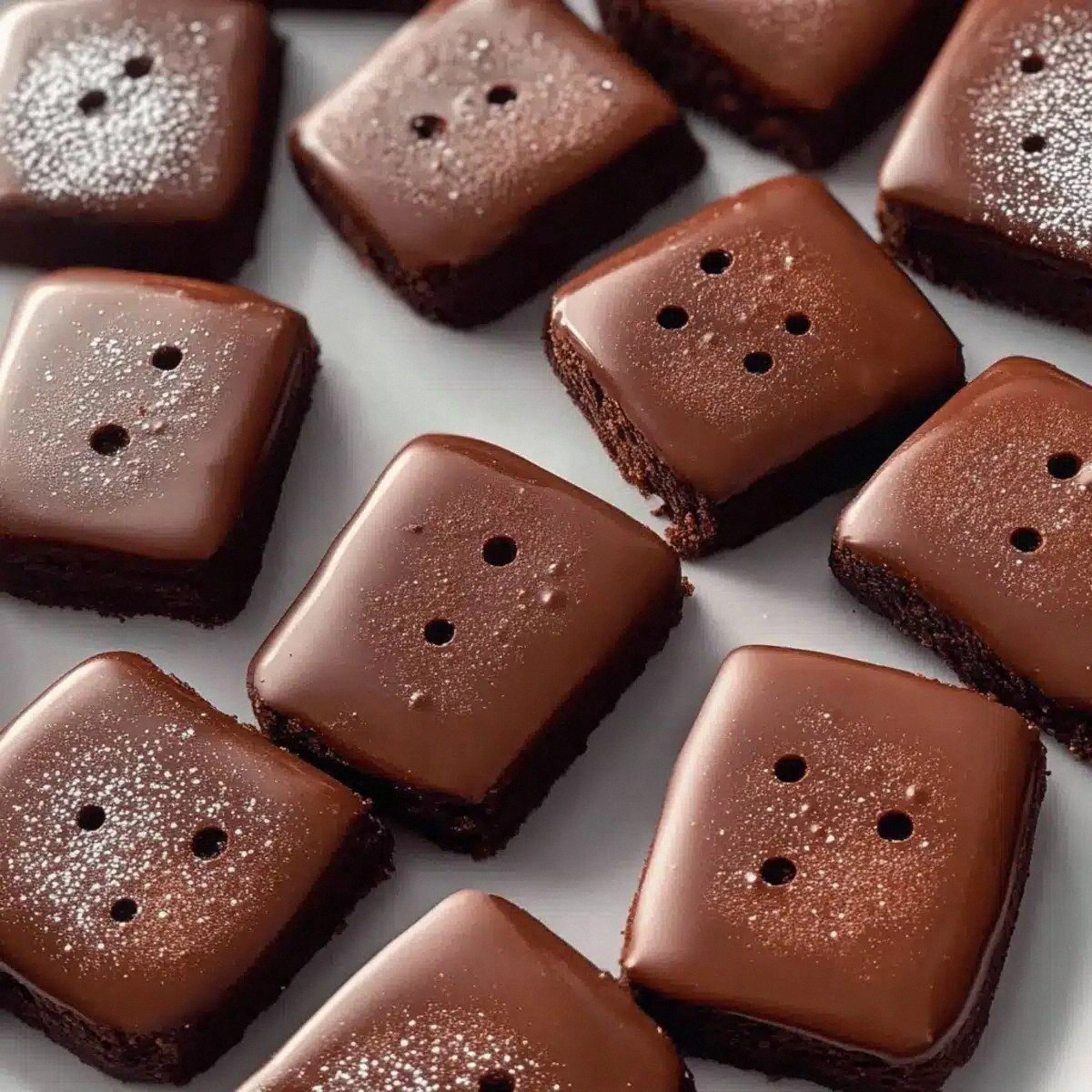
But the real secret weapon? A brief, low‑heat melt of the chocolate with a touch of oil that creates a glossy, fluid coating that you’ll fold into the dough, giving every bite a glossy, almost lacquered finish. This isn’t just a cookie; it’s a statement piece for any occasion—whether you’re impressing a date, gifting a neighbor, or simply treating yourself after a long day. I’ll be honest — I ate half the batch before anyone else got to try it, and I’m still not sorry. Let me walk you through every single step — by the end, you’ll wonder how you ever made it any other way.
What Makes This Version Stand Out
- Flavor Fusion: The marriage of dark chocolate and orange zest creates a bright‑dark contrast that dances on the palate like a jazz solo.
- Texture Triumph: A buttery, crumbly base with a glossy, chocolate‑streaked top that cracks delightfully under the teeth.
- Simplicity: Only nine ingredients, all pantry‑friendly, and no fancy equipment—just a bowl, a whisk, and a good oven.
- Uniqueness: The addition of vegetable oil to the melted chocolate keeps the crumb moist without making it greasy.
- Crowd Reaction: Guests often ask for the recipe before the first bite is even over, and they’ll brag about it for weeks.
- Ingredient Quality: Using Dutch‑processed cocoa and high‑cocoa‑percentage dark chocolate elevates the flavor profile.
- Cooking Method: A low‑and‑slow bake at 160 °C ensures even browning and prevents the edges from burning.
- Make‑Ahead Potential: These biscuits keep beautifully for up to two weeks, making them perfect for prep‑ahead parties.
Inside the Ingredient List
The Flavor Base
The unsalted butter is the heart of any shortbread. I use a high‑fat European style butter because its lower water content means a richer, creamier crumb. If you substitute a regular American butter, you might notice a slightly grainier texture. The powdered sugar adds a delicate sweetness without the graininess of granulated sugar, and it dissolves completely into the butter, creating a silky base. A pinch of fine salt amplifies every flavor, turning the sweet into something sophisticated rather than cloying.
The Texture Crew
All‑purpose flour provides the structure, but the key is to handle it gently. Over‑mixing will develop gluten and turn your shortbread tough—think rubber bands, not clouds. The Dutch‑processed cocoa powder gives a deep, mellow chocolate flavor without the acidity of natural cocoa, which can sometimes make the dough taste sour. The dark cooking chocolate, melted with a splash of vegetable oil, creates a glossy river of flavor that we fold into the dough, ensuring each bite has pockets of molten chocolate.
The Unexpected Star
Orange zest might seem like a cameo, but it’s the secret hero that cuts through the richness. The citrus oils lift the chocolate, making the flavor feel lighter and more complex. If you’re not a fan of orange, try lemon zest or even a pinch of finely grated ginger for a spicy twist. The vegetable oil is a tiny amount, but it creates a glossy sheen on the chocolate and helps the biscuits stay tender after cooling.
The Final Flourish
Vanilla extract adds a warm, comforting backdrop that ties the butter, chocolate, and citrus together. It’s the subtle note that makes the flavor linger on the palate. When selecting vanilla, go for a pure extract rather than an imitation; the difference is like night versus day. Finally, a quick drizzle of vegetable oil into the melted chocolate not only gives that glossy finish but also helps the chocolate coat the dough evenly, preventing any dry spots.
Everything's prepped? Good. Let's get into the real action...
The Method — Step by Step
Preheat your oven to 160 °C (320 °F). While the oven warms, line a baking sheet with parchment paper. This low temperature is the secret to that perfect, even golden edge without any burnt spots. Picture yourself pulling this out of the oven, the whole kitchen smelling incredible...
In a large mixing bowl, cream together the 125 g unsalted butter and 60 g powdered sugar until the mixture is pale, fluffy, and smells like a bakery. Use a hand mixer on medium speed; you’ll hear a faint whir that feels like a mini‑dance party in the bowl. This step is where the magic starts, and the texture will set the stage for everything else.
Add the pinch of fine salt, 1 tsp vanilla extract, and 1 tsp orange zest. Stir until just combined. The citrus oils will burst into the mixture, and you’ll notice a bright, almost floral note that lifts the buttery base. This next part? Pure magic.
Sift together 150 g all‑purpose flour and 30 g Dutch‑processed cocoa powder into a separate bowl. Sifting aerates the dry ingredients and eliminates lumps, ensuring a uniform dough. The cocoa will turn the flour a deep, chocolatey hue that’s a visual promise of what’s to come.
Gently fold the dry mixture into the butter‑sugar blend using a spatula. Mix just until you no longer see streaks of flour; over‑mixing will develop gluten and make the biscuits tough. You’ll feel the dough come together like a soft, cohesive mass that holds its shape.
Now, melt the 100 g dark cooking chocolate with 1 tbsp vegetable oil in a heat‑proof bowl over a pot of simmering water (bain‑marie). Stir continuously; the chocolate will melt into a glossy, fluid river. Once fully melted, remove from heat and let it cool for about 2 minutes—just enough that it’s still fluid but not scorching.
Pour the melted chocolate into the dough and fold it in quickly, ensuring the chocolate ribbons through the batter without completely coating every crumb. This creates pockets of molten chocolate that will surprise the palate with each bite.
Turn the dough onto a lightly floured surface, pat it into a 1‑cm thick rectangle, and cut into desired shapes—classic rounds, rustic wedges, or even heart shapes for a romantic touch. Use a cookie cutter or a sharp knife; the edges should be clean, not ragged.
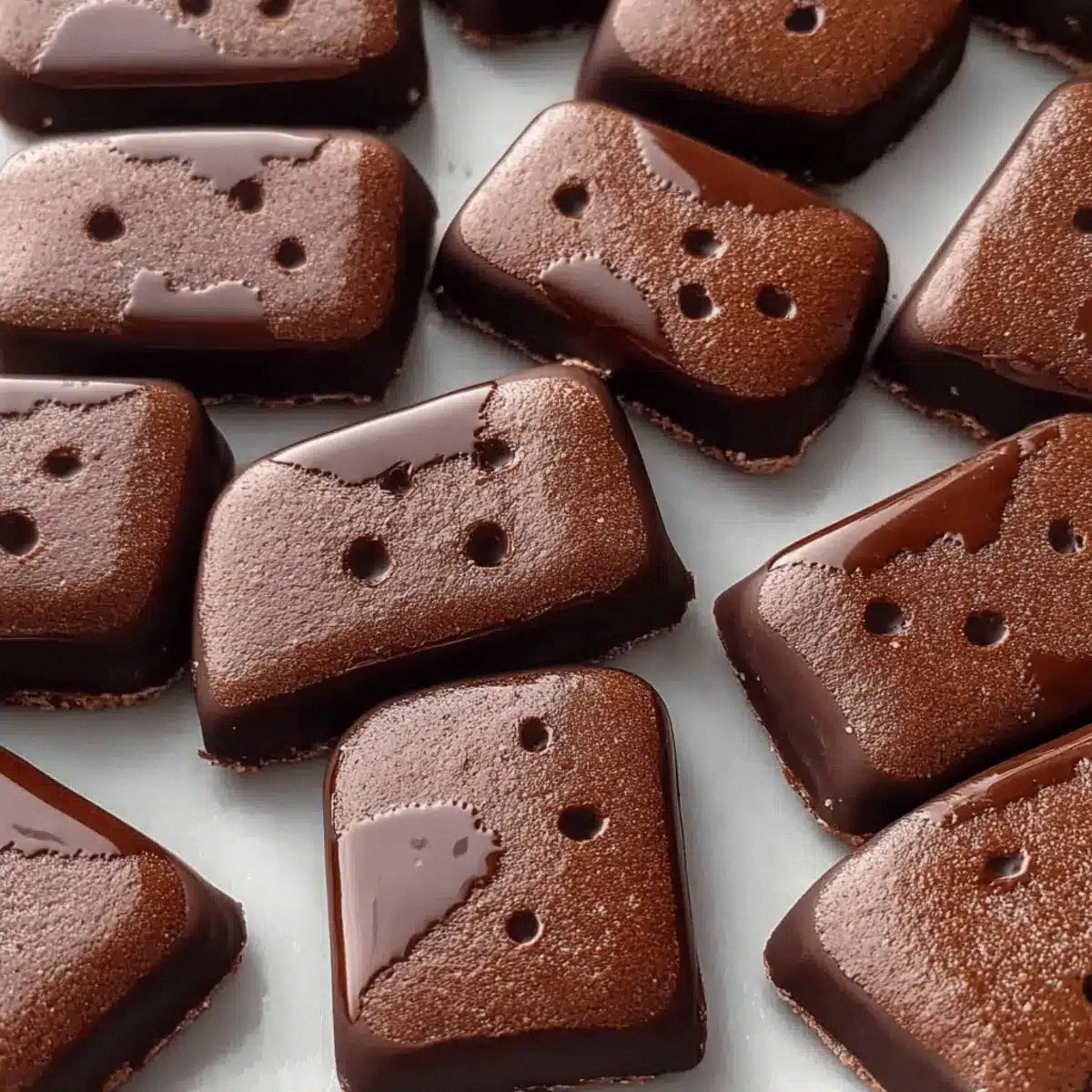
Arrange the biscuits on the prepared baking sheet, leaving a small gap between each. Bake for 30‑35 minutes, or until the edges are a light amber and the tops have a subtle sheen. The scent will fill the kitchen like a warm hug, and you’ll know they’re ready when the edges start pulling away from the parchment.
Remove the biscuits from the oven and let them cool on the sheet for 5 minutes before transferring to a wire rack. This short rest lets the chocolate set and the shortbread firm up without becoming hard. Once cooled, they’ll have a crisp snap on the outside and a melt‑in‑your‑mouth center.
That's it — you did it. But hold on, I've got a few more tricks that'll take this to another level...
Insider Tricks for Flawless Results
The Temperature Rule Nobody Follows
Never bake shortbread at a scorching 200 °C. The lower temperature of 160 °C gives the butter time to melt slowly, creating that buttery crumb. If you’re in a hurry and crank up the heat, the edges will burn before the center sets, leading to a bitter aftertaste. I once tried a “quick bake” and ended up with biscuits that tasted like burnt toast—lesson learned.
Why Your Nose Knows Best
When the biscuits are about 25 minutes into the bake, start sniffing. The moment you detect a faint nutty, caramelized aroma, it’s a signal that the edges are just about to turn golden. Trust that nose over the timer; ovens vary, and the scent is the most reliable indicator. A friend once ignored this cue and pulled the tray out too early, resulting in pale, doughy biscuits that never achieved that signature snap.
The 5‑Minute Rest That Changes Everything
After baking, let the biscuits rest on the tray for exactly five minutes before moving them to a wire rack. This short pause allows the interior steam to redistribute, preventing the cookies from cracking or becoming too dry. It’s a tiny step, but it makes the difference between a biscuit that crumbles at the first bite and one that holds together beautifully.
Oil‑Infused Chocolate Secret
Adding just one tablespoon of neutral‑flavored vegetable oil to the melted chocolate creates a glossy finish that stays shiny even after cooling. It also prevents the chocolate from hardening into a brittle shell, ensuring a tender bite. If you skip this, you’ll get a dull, matte chocolate that can feel a bit gritty.
The Chill‑Before‑Shape Trick
After mixing the dough, wrap it in plastic wrap and chill for 15‑20 minutes. This firms up the butter, making the dough easier to roll out and cut, and it stops the biscuits from spreading too much during baking. I’ve seen novices skip this step and end up with misshapen, flat cookies that lose that classic shortbread silhouette.
Creative Twists and Variations
This recipe is a playground. Here are some of my favorite ways to switch things up:
Espresso Edge
Swap the orange zest for 1 tsp finely ground espresso powder. The coffee notes amplify the chocolate, making the biscuits perfect for an after‑dinner coffee break. Coffee lovers will swear it’s the best pairing since milk and cookies.
Spicy Chili
Add a pinch of cayenne pepper to the dry mix for a subtle heat that tingles the tongue. The spice cuts through the richness and makes the biscuits unexpectedly bold—great for a daring brunch.
Nutty Crunch
Fold in ¼ cup toasted, finely chopped hazelnuts or almonds after the chocolate is incorporated. The nuts add a satisfying crunch and a nutty aroma that pairs beautifully with chocolate.
White Chocolate Whisper
Replace the dark cooking chocolate with an equal amount of white chocolate and omit the cocoa powder. The result is a pale, buttery biscuit with a sweet, milky flavor—ideal for a summer tea party.
Minty Fresh
Add ½ tsp peppermint extract in place of orange zest and sprinkle a few crushed peppermint candies on top before baking. The mint lifts the chocolate and adds a festive touch, perfect for holiday gatherings.
Storing and Bringing It Back to Life
Fridge Storage
If you need to keep the biscuits for more than a day, store them in an airtight container in the refrigerator. They’ll stay fresh for up to 10 days. Let them sit at room temperature for 15 minutes before serving to let the flavors fully bloom again.
Freezer Friendly
These shortbread biscuits freeze like a dream. Layer them between parchment sheets, seal in a zip‑top bag, and they’ll keep for up to three months. When you’re ready to enjoy, thaw at room temperature for 30 minutes, then give them a quick 3‑minute warm‑up in a 150 °C oven to revive that fresh‑out‑of‑the‑oven crunch.
Best Reheating Method
To bring them back to life, preheat your oven to 150 °C, place the biscuits on a baking sheet, and add a tiny splash of water (about a teaspoon) to the tray—cover with foil for 5 minutes. The steam revives the interior moisture while the foil protects the top from over‑browning. The result is a biscuit that tastes as if it just left the oven.