
Pear Tart
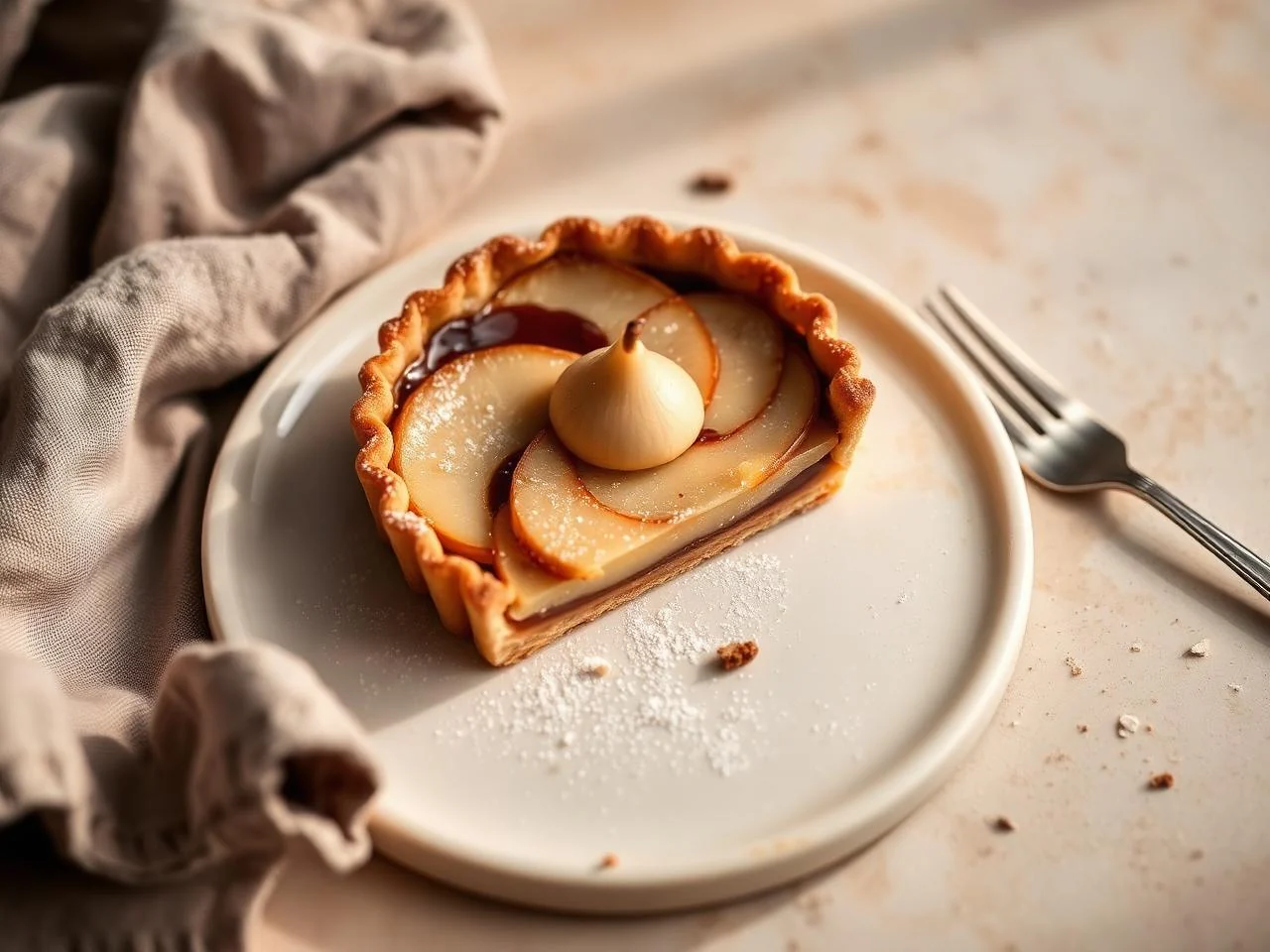
I still remember the first time I made a pear tart from scratch. It was a few years ago, when I decided to take my baking skills to the next level. I spent hours perfecting the recipe, and the end result was well worth it. The combination of the flaky pastry crust, the sweet and tender pears, and the caramelized sugar on top was absolutely divine.
Since then, I've made this pear tart countless times, and it never fails to impress my family and friends. It's a great dessert to serve during the fall and winter months, when pears are in season and the weather is cooler. The best part is that it's actually quite easy to make, as long as you follow the right steps and use the right ingredients.
In this recipe, I'll guide you through the process of making a delicious pear tart from scratch. We'll start with the basics, including making the pastry dough and preparing the pears. Then, we'll move on to assembling the tart and baking it to perfection.
One of the things that sets this recipe apart is the use of a combination of all-purpose and pastry flour in the crust. This gives the crust a delicate, flaky texture that's perfect for holding the sweet and tender pears. We'll also be using a mixture of granulated and brown sugar to add depth and complexity to the filling.
Whether you're a seasoned baker or just starting out, this recipe is sure to become a favorite. So let's get started and make a delicious pear tart from scratch!
Why You’ll Love This Recipe
- This recipe is easy to follow and requires minimal special equipment
- The combination of all-purpose and pastry flour in the crust gives it a delicate and flaky texture
- The use of a mixture of granulated and brown sugar adds depth and complexity to the filling
- The tart is perfect for serving during the fall and winter months, when pears are in season
- The recipe can be made ahead of time and refrigerated or frozen for later use
- The tart is a great dessert to serve at parties and gatherings, as it's easy to slice and serve
Why This Recipe Works
The key to making a great pear tart is to use the right combination of ingredients and to follow the right steps. The pastry dough, for example, needs to be made with a combination of all-purpose and pastry flour, which gives it a delicate and flaky texture. The pears, on the other hand, need to be cooked until they're tender and caramelized, which brings out their natural sweetness.
Another important aspect of this recipe is the use of temperature and timing. The pastry dough needs to be chilled until it's firm and cold, which makes it easier to roll out and shape into a tart crust. The tart also needs to be baked at the right temperature, which helps the crust to cook evenly and the filling to caramelize.
By following these steps and using the right ingredients, you'll be able to create a delicious pear tart that's sure to impress your family and friends. The combination of the flaky pastry crust, the sweet and tender pears, and the caramelized sugar on top is absolutely divine, and it's the perfect dessert to serve during the fall and winter months.
The science behind this recipe is also interesting. The use of a combination of all-purpose and pastry flour in the crust, for example, helps to create a delicate and flaky texture. The pastry flour has a lower protein content than all-purpose flour, which makes it more tender and less likely to become tough. The all-purpose flour, on the other hand, provides structure and stability to the crust.
Ingredients You’ll Need
To make this delicious pear tart, you'll need a few basic ingredients, including all-purpose flour, pastry flour, granulated sugar, brown sugar, unsalted butter, eggs, and pears. You'll also need some salt and vanilla extract to add flavor to the filling.
When it comes to the pears, you can use any variety you like, but firmer pears like Bosc or Anjou work best. You'll also need to make sure that your butter and eggs are at room temperature, as this will help the pastry dough to come together smoothly.
- 2 1/4 cups all-purpose flourAll-purpose flour provides structure and stability to the crust, while also giving it a delicate texture
- 1/2 cup pastry flourPastry flour has a lower protein content than all-purpose flour, which makes it more tender and less likely to become tough
- 1 tsp saltSalt adds flavor to the crust and helps to bring out the sweetness of the pears
- 1 cup granulated sugarGranulated sugar adds sweetness to the filling and helps to caramelize the pears
- 1/2 cup brown sugarBrown sugar adds depth and complexity to the filling, and helps to balance out the sweetness of the granulated sugar
- 1/2 cup unsalted butter, at room temperatureUnsalted butter is used to make the pastry dough, and helps to give the crust a rich and tender texture
- 2 large eggsEggs are used to make the pastry dough, and help to bind the ingredients together
- 2 tsp vanilla extractVanilla extract adds flavor to the filling and helps to balance out the sweetness of the sugar
- 3-4 ripe but firm pears, peeled and slicedFirmer pears like Bosc or Anjou work best for this recipe, as they hold their shape well when cooked
- 1 tbsp waterWater is used to help the pastry dough come together, and to prevent it from becoming too dry
Equipment You’ll Need
How to Make Pear Tart
- 1In a large mixing bowl, combine the all-purpose flour, pastry flour, and salt. Whisk the ingredients together until they're well combined, then add the granulated sugar and brown sugar and whisk until the mixture is smooth.
- 2Add the unsalted butter to the bowl and use a pastry blender or food processor to work it into the flour mixture until it resembles coarse crumbs.
- 3Add the eggs to the bowl, one at a time, whisking well after each addition. Then, add the vanilla extract and whisk until the mixture is smooth.
- 4Gradually add the water to the bowl, whisking until the pastry dough comes together in a ball. Turn the dough out onto a lightly floured surface and knead it a few times until it becomes smooth and pliable.
- 5Wrap the pastry dough in plastic wrap and refrigerate it for at least 30 minutes, or until it's firm and cold. This will help the dough to relax and become easier to roll out.
- 6Preheat the oven to 400°F (200°C). On a lightly floured surface, roll out the pastry dough to a thickness of about 1/8 inch. Transfer the dough to a 9-inch tart pan with a removable bottom, and trim the edges to fit.
- 7In a large bowl, combine the sliced pears and granulated sugar. Let the mixture sit for about 15 minutes, or until the pears start to release their juice and the sugar has dissolved.
- 8Arrange the pear slices in a spiral pattern on top of the pastry dough, leaving a 1-inch border around the edges. Fold the edges of the pastry dough up over the pears, pressing gently to seal.
- 9Bake the tart for 40-50 minutes, or until the crust is golden brown and the pears are tender and caramelized. Let the tart cool on a wire rack for at least 30 minutes before serving.
- 10To serve, slice the tart into wedges and serve warm or at room temperature. You can also refrigerate or freeze the tart for later use.
Expert Tips
- Make sure to use room temperature butter and eggs when making the pastry dough, as this will help the dough to come together smoothly.
- Don't overwork the pastry dough, as this can cause it to become tough and dense.
- Use a variety of pear that holds its shape well when cooked, such as Bosc or Anjou.
- Don't overbake the tart, as this can cause the crust to become too dark and the pears to become too soft.
- Let the tart cool completely before serving, as this will help the flavors to meld together and the crust to set.
- You can make the pastry dough ahead of time and refrigerate or freeze it for later use.
Common Mistakes to Avoid
- Using cold butter and eggs when making the pastry dough, which can cause the dough to be tough and dense.
- Overworking the pastry dough, which can cause it to become tough and dense.
- Using a variety of pear that's too soft or too hard, which can affect the texture and flavor of the tart.
- Not letting the tart cool completely before serving, which can cause the crust to be soggy and the pears to be too soft.
- Overbaking the tart, which can cause the crust to be too dark and the pears to be too soft.
- Not using a removable bottom tart pan, which can make it difficult to remove the tart from the pan.
Variations and Substitutions
- Using a different variety of pear, such as Bartlett or Red Anjou, to change the flavor and texture of the tart.
- Adding a splash of liqueur, such as Grand Marnier or Cognac, to the filling for added flavor.
- Using a different type of sugar, such as turbinado or muscovado, to change the flavor and texture of the filling.
- Adding a sprinkle of cinnamon or nutmeg to the filling for added spice.
- Using a different type of pastry dough, such as puff pastry or phyllo, to change the texture and flavor of the crust.
- Adding a layer of frangipane or almond paste to the filling for added flavor and texture.
What to Serve With Pear Tart
This pear tart is perfect for serving as a dessert or snack, and it's especially delicious when served warm or at room temperature. You can also refrigerate or freeze the tart for later use, and it's a great option for parties and gatherings.
Some ideas for serving the tart include slicing it into wedges and serving it with a dollop of whipped cream or a sprinkle of powdered sugar. You could also serve it with a side of vanilla ice cream or a drizzle of caramel sauce.
Make-Ahead, Storage, Freezing and Reheating
The pear tart can be stored in an airtight container at room temperature for up to 2 days, or it can be refrigerated for up to 5 days. To freeze the tart, wrap it tightly in plastic wrap or aluminum foil and place it in a freezer-safe bag. The tart can be frozen for up to 2 months, and it's best to thaw it overnight in the refrigerator before serving.
To reheat the tart, place it in a preheated oven at 350°F (180°C) for about 10-15 minutes, or until it's warm and the crust is crispy. You can also reheat the tart in the microwave, but be careful not to overheat it, as this can cause the crust to become soggy.
It's also a good idea to make the pastry dough ahead of time and refrigerate or freeze it for later use. The dough can be stored in an airtight container in the refrigerator for up to 3 days, or it can be frozen for up to 2 months. To thaw the dough, simply leave it in the refrigerator overnight or thaw it at room temperature for a few hours.
Frequently Asked Questions
What type of pears should I use for this recipe?
You can use any variety of pear that holds its shape well when cooked, such as Bosc or Anjou. Avoid using pears that are too soft or too hard, as this can affect the texture and flavor of the tart.
How do I prevent the pastry dough from becoming too tough or dense?
Make sure to use room temperature butter and eggs when making the pastry dough, and don't overwork the dough. This will help the dough to come together smoothly and prevent it from becoming too tough or dense.
Can I make the pastry dough ahead of time and refrigerate or freeze it for later use?
Yes, you can make the pastry dough ahead of time and refrigerate or freeze it for later use. The dough can be stored in an airtight container in the refrigerator for up to 3 days, or it can be frozen for up to 2 months. To thaw the dough, simply leave it in the refrigerator overnight or thaw it at room temperature for a few hours.
How do I reheat the tart without making the crust soggy?
To reheat the tart without making the crust soggy, place it in a preheated oven at 350°F (180°C) for about 10-15 minutes, or until it's warm and the crust is crispy. You can also reheat the tart in the microwave, but be careful not to overheat it, as this can cause the crust to become soggy.
Can I use a different type of sugar in the filling?
Yes, you can use a different type of sugar in the filling, such as turbinado or muscovado, to change the flavor and texture of the tart. Keep in mind that different types of sugar may affect the cooking time and the texture of the filling, so you may need to adjust the recipe accordingly.
How do I prevent the pears from becoming too soft or too hard during cooking?
To prevent the pears from becoming too soft or too hard during cooking, make sure to cook them until they're tender and caramelized, but still hold their shape. You can check the pears for doneness by inserting a fork or knife into one of the slices - if it slides in easily, the pears are done.
Can I make this recipe in a different size tart pan?
Yes, you can make this recipe in a different size tart pan, but you may need to adjust the cooking time and the amount of filling accordingly. Keep in mind that a larger tart pan will require more filling and a longer cooking time, while a smaller tart pan will require less filling and a shorter cooking time.
How do I store the tart after it's been baked?
The tart can be stored in an airtight container at room temperature for up to 2 days, or it can be refrigerated for up to 5 days. To freeze the tart, wrap it tightly in plastic wrap or aluminum foil and place it in a freezer-safe bag. The tart can be frozen for up to 2 months, and it's best to thaw it overnight in the refrigerator before serving.
Can I make this recipe ahead of time and serve it later?
Yes, you can make this recipe ahead of time and serve it later. The tart can be baked and cooled, then refrigerated or frozen for later use. To reheat the tart, place it in a preheated oven at 350°F (180°C) for about 10-15 minutes, or until it's warm and the crust is crispy.
What's the best way to serve the tart?
The tart is best served warm or at room temperature, and it's delicious when served with a dollop of whipped cream or a sprinkle of powdered sugar. You could also serve it with a side of vanilla ice cream or a drizzle of caramel sauce.
Ingredients
- 2 1/4 cups all-purpose flour
- 1/2 cup pastry flour
- 1 tsp salt
- 1 cup granulated sugar
- 1/2 cup brown sugar
- 1/2 cup unsalted butter, at room temperature
- 2 large eggs
- 2 tsp vanilla extract
- 3-4 ripe but firm pears, peeled and sliced
- 1 tbsp water
Instructions
- In a large mixing bowl, combine the all-purpose flour, pastry flour, and salt. Whisk the ingredients together until they're well combined, then add the granulated sugar and brown sugar and whisk until the mixture is smooth.
- Add the unsalted butter to the bowl and use a pastry blender or food processor to work it into the flour mixture until it resembles coarse crumbs.
- Add the eggs to the bowl, one at a time, whisking well after each addition. Then, add the vanilla extract and whisk until the mixture is smooth.
- Gradually add the water to the bowl, whisking until the pastry dough comes together in a ball. Turn the dough out onto a lightly floured surface and knead it a few times until it becomes smooth and pliable.
- Wrap the pastry dough in plastic wrap and refrigerate it for at least 30 minutes, or until it's firm and cold. This will help the dough to relax and become easier to roll out.
- Preheat the oven to 400°F (200°C). On a lightly floured surface, roll out the pastry dough to a thickness of about 1/8 inch. Transfer the dough to a 9-inch tart pan with a removable bottom, and trim the edges to fit.
- In a large bowl, combine the sliced pears and granulated sugar. Let the mixture sit for about 15 minutes, or until the pears start to release their juice and the sugar has dissolved.
- Arrange the pear slices in a spiral pattern on top of the pastry dough, leaving a 1-inch border around the edges. Fold the edges of the pastry dough up over the pears, pressing gently to seal.
- Bake the tart for 40-50 minutes, or until the crust is golden brown and the pears are tender and caramelized. Let the tart cool on a wire rack for at least 30 minutes before serving.
- To serve, slice the tart into wedges and serve warm or at room temperature. You can also refrigerate or freeze the tart for later use.