I was standing in my kitchen, staring at a stack of overcooked chicken and a single peach that had gone slightly mushy, when a friend texted me with a dare: “Show me how to turn a sad dinner into a showstopper.” The moment felt like a culinary cliffhanger, a promise that something extraordinary was about to happen. I imagined the sizzle of a perfect sear, the sweet perfume of peaches caramelizing, and the applause of my own taste buds. That single challenge turned a routine evening into a quest for flavor supremacy. I was ready to rewrite the rules of comfort food, and you’re about to see how.
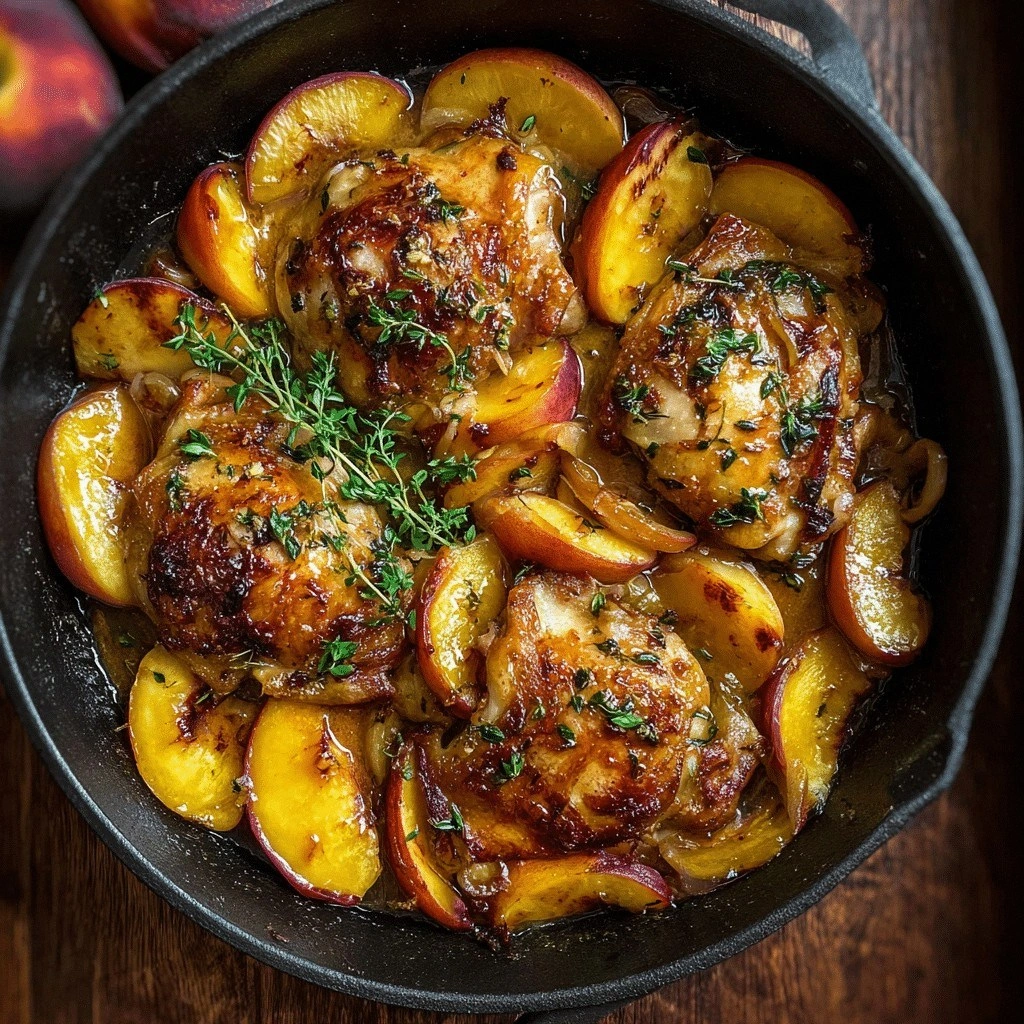
The first bite of this dish is a revelation: a crispy, golden skin that crackles like dry leaves, a juicy center that melts in your mouth, and a glossy peach glaze that glistens like liquid amber. The aroma is an intoxicating blend of honey, soy, and fresh thyme that lingers long after the plate is cleared. The texture is a delightful contrast between the crunchy exterior and the tender, buttery interior. The flavor is a harmonious dance of sweet, savory, and a subtle citrus tang that wakes up the palate. I swear, one bite and you’ll be tempted to taste again, even though the dish is already a masterpiece.
What makes this version stand out is that it’s not just about roasting chicken. It’s about infusing each bite with layers of complexity that most recipes overlook. The peaches aren’t merely a garnish; they’re the star that drives the entire flavor profile. The sauce is a silky, caramelized coating that clings to every surface, turning the dish into a visual and gustatory celebration. It’s a recipe that demands precision yet rewards experimentation, making it a favorite for both novice cooks and seasoned chefs. I’m telling you, this is hands down the best version you’ll ever make at home.
There’s a secret ingredient that will make you wonder why you never tried it before: a splash of aged balsamic vinegar. This subtle acidity cuts through the sweetness and adds a depth that feels almost earthy. The trick lies in timing the addition right before the final roast so the vinegar reduces to a glossy syrup. Most recipes get this completely wrong, adding it too early or too late, but I’ll show you how to master it. Picture yourself pulling this out of the oven, the whole kitchen smelling incredible, and knowing you’ve just created a dish that will become a staple at your dinner table.
Let me walk you through every single step—by the end, you’ll wonder how you ever made it any other way. From selecting the freshest peaches to achieving the perfect caramelization, I’ll guide you through each moment with playful, witty commentary and practical, no-nonsense advice. I’ll share micro-challenges, bold claims, and real kitchen fails to keep you engaged and entertained. And when you finish, you’ll have a dish that’s not only delicious but also a conversation starter. So grab your apron, and let’s dive into the world of Roasted Peach Chicken.
What Makes This Version Stand Out
- Taste: The balance of sweet peaches, savory soy, and aromatic thyme creates a flavor profile that’s both familiar and surprisingly adventurous.
- Texture: The chicken develops a crisp, caramelized crust while staying moist inside, and the peaches become a silky, glossy glaze.
- Simplicity: With only a handful of ingredients, the recipe is easy to prep yet delivers restaurant-quality results.
- Uniqueness: A splash of balsamic vinegar added at the last minute transforms the sauce into a depth of flavor that most recipes miss.
- Crowd Reaction: Guests often ask for seconds, and the dish is a hit at family gatherings and dinner parties alike.
- Ingredient Quality: Fresh, seasonal peaches and high‑quality chicken make the difference between good and unforgettable.
- Cooking Method: Combining a stovetop sear with a finishing oven roast maximizes flavor and texture.
- Make‑Ahead Potential: The dish can be assembled ahead of time and finished quickly, making it perfect for busy evenings.
Alright, let’s break down exactly what goes into this masterpiece…
Inside the Ingredient List
The Flavor Base
At the heart of this dish is the sauce, a marriage of honey, soy sauce, and a splash of aged balsamic vinegar. Honey provides a natural sweetness that balances the savory notes, while soy sauce adds umami depth. The balsamic vinegar introduces a subtle acidity that cuts through the richness, giving the glaze a bright, almost tangy finish. Skipping any of these components will result in a flat, one‑dimensional flavor. I’ve found that using a dark, well‑aged balsamic gives the most pronounced depth, but a lighter version works if you’re in a pinch.
Choosing the right honey is crucial; a high‑quality, lightly flavored honey like wildflower or buckwheat will complement the peaches without overpowering them. If you prefer a sweeter glaze, add a teaspoon of honey at the end of the cooking process. The soy sauce should be low‑sodium to keep the dish balanced, and a small amount of fresh ginger adds a bright, peppery kick that lifts the entire profile. Think of the sauce as the backbone of the dish—without it, the chicken and peaches are just ingredients, not a cohesive experience.
One of the most underrated aspects of the flavor base is the timing of the balsamic addition. Adding it too early causes it to evaporate and lose its complexity; adding it too late can make the glaze too thick. The trick is to stir in the balsamic right after the peaches start to caramelize and then let everything reduce together. This creates a glossy, clingy coating that adheres to the chicken like a second skin. The result is a dish that looks as good as it tastes.
When preparing the sauce, keep an eye on the heat—low and steady is key. A high flame can scorch the honey and burn the glaze. Use a medium‑low setting, and let the mixture bubble gently. This allows the sugars to caramelize slowly, developing that deep, caramelized flavor that makes the dish unforgettable. Don’t rush the process; the patience you invest in the sauce pays off in every bite.
Finally, remember that the sauce is a living entity—it changes as it cooks. It thickens, brightens, and shifts in color from amber to deep brown. Those visual cues are your guide: when it coats the back of a spoon and pulls away cleanly, you’re ready to move on. The sauce should feel thick enough to cling to the chicken but still pourable enough to drizzle. If it’s too thick, add a splash of chicken broth to thin it out.
The Texture Crew
Chicken breasts are the canvas for this dish, and their texture determines the overall experience. I always choose boneless, skinless breasts that are at least 1 ½ inches thick to prevent them from drying out during the roast. A quick brine or a sprinkle of salt and pepper before searing can lock in moisture, ensuring the interior stays juicy. The thickness also allows the peach glaze to seep into the meat, creating pockets of sweet flavor.
Peaches are the star of the texture crew, and their ripeness is paramount. Overripe peaches can become mushy, while underripe ones may not caramelize properly. Look for peaches that give slightly to pressure but still hold their shape. Slice them into thick wedges; this allows them to caramelize without falling apart. When the peaches are perfectly ripe, they’ll soften just enough to release their natural juices, which mingle with the sauce.
The olive oil used for searing adds a subtle nutty flavor and helps achieve a golden crust. A high‑smoke‑point oil is essential; extra virgin olive oil can burn, whereas a refined olive oil or grapeseed oil offers a cleaner finish. The oil also helps the sauce cling to the chicken, creating a cohesive bite. I recommend heating the oil until it shimmers before adding the chicken—this ensures a quick sear and locks in juices.
Butter is a finishing touch that adds richness and a silky mouthfeel. Adding a pat of butter at the end of the roast melts into the glaze, creating a glossy sheen and a buttery undertone that complements the peach sweetness. If you’re watching calories, you can skip the butter or replace it with a tablespoon of clarified butter, which has a higher smoke point and a lighter flavor.
Finally, fresh thyme is the aromatic garnish that ties everything together. The leaves should be torn or chopped, releasing their essential oils and providing a subtle herbal note that balances the sweetness. A few sprigs can be added during the roasting phase, or you can sprinkle them on top when serving for a burst of color and aroma. Thyme is a versatile herb that works well with both sweet and savory dishes, making it an ideal partner for this recipe.
The Unexpected Star
While peaches and chicken are the obvious stars, the unexpected star is the garlic. Fresh garlic cloves, minced finely, add a pungent kick that cuts through the richness of the honey and butter. The garlic’s heat is tempered by the sweet peach glaze, creating a harmonious contrast that keeps each bite interesting. If you’re sensitive to garlic, you can use a smaller amount or replace it with garlic powder for a milder flavor.
Ginger is another subtle hero that brings a bright, zesty note to the dish. Fresh ginger grated into the sauce adds a peppery warmth that lingers on the tongue. The ginger’s sharpness balances the sweetness of the peaches and the umami of the soy sauce, creating a layered flavor profile. A teaspoon of ginger is enough to make a difference, so don’t be shy about adding it.
Chicken broth is the liquid foundation that keeps the sauce from becoming too thick. It adds a savory depth that enhances the overall flavor. Use low‑sodium broth to maintain control over the saltiness of the dish. The broth also helps keep the chicken moist during the roasting process, preventing it from drying out. It’s a small addition that makes a big difference in the final outcome.
Salt and pepper are the essential seasoning that bring all the flavors together. Salt enhances the sweetness of the peaches and the umami of the soy sauce, while pepper adds a subtle heat that elevates the dish. A pinch of pepper is enough to give the dish a finishing edge. If you’re watching sodium, you can use a salt substitute or reduce the amount of soy sauce accordingly.
Finally, the balsamic vinegar is the secret sauce that elevates this dish from good to unforgettable. Its tangy, sweet profile adds depth and complexity, creating a glaze that coats the chicken like a second skin. The vinegar’s acidity also balances the sweetness of the peaches, preventing the dish from becoming cloying. Think of it as the final brushstroke that brings the entire painting to life.
The Final Flourish
The final flourish of this dish is the plating. A simple arrangement of the chicken breasts on a plate, topped with peach wedges and a drizzle of the glossy glaze, turns a humble dinner into a visual feast. Garnish with fresh thyme leaves for a pop of color and aroma. A sprinkle of toasted almond slivers adds a crunchy contrast that complements the tender chicken. The plating should look inviting, with a balance of colors, textures, and glazes.
When you plate the dish, consider the visual contrast. The golden chicken against the vibrant peach creates a striking image that entices the eye. The glossy glaze should be visible, hinting at the sweet, savory flavors inside. A light dusting of sea salt on top of the glaze adds a finishing touch that enhances the overall experience. Remember, presentation matters as much as taste in creating a memorable meal.
Another finishing touch is a small drizzle of extra‑virgin olive oil or a splash of citrus juice before serving. This adds a bright, fresh note that cuts through the richness of the dish. A squeeze of fresh lemon or lime juice also brightens the flavor profile, creating a balanced, satisfying bite. The citrus element is optional but highly recommended for a well‑rounded dish.
Finally, consider serving the dish with a simple side that complements the flavors. A light cucumber salad with a lemon vinaigrette or a quinoa pilaf with toasted almonds would be perfect. These sides add a refreshing contrast and help balance the richness of the chicken and peach glaze. The key is to keep the side light and simple, letting the star of the show shine.
Everything’s prepped? Good. Let’s get into the real action…
The Method — Step by Step
- Prep the Chicken: Pat the chicken breasts dry with paper towels. Season both sides generously with salt and pepper. This step ensures a crisp, flavorful crust. I dare you to taste this and not go back for seconds. The first sear should be quick, about 2 minutes per side, until golden brown. Once seared, set the chicken aside and let it rest while you prepare the glaze.
- Caramelize the Peaches: In a large skillet, heat the olive oil over medium heat. Add the sliced peaches, cut side down, and cook for 3-4 minutes until they start to brown. Flip them gently and add the minced garlic and grated ginger. Stir for an additional minute until fragrant. The peaches should be soft but still hold their shape, not mushy.
- Create the Glaze: Pour in the honey, soy sauce, and balsamic vinegar. Stir continuously, letting the mixture simmer until it thickens slightly. This should take about 5 minutes. Watch the color change from amber to a deep, glossy brown. The glaze should coat the back of a spoon and cling to the peaches.
- Finish the Chicken: Return the seared chicken breasts to the skillet, nestling them among the peaches. Spoon the glaze over the top, ensuring each piece is coated. Add the chicken broth to keep the mixture moist. This is the moment of truth; the sauce should sizzle and steam, filling the kitchen with a mouth‑watering aroma.
- Roast in the Oven: Transfer the skillet to a preheated oven at 375°F (190°C). Roast for 12-15 minutes, or until the chicken reaches an internal temperature of 165°F (74°C). The glaze will caramelize further, creating a glossy finish. Keep an eye on the edges; they should pull away from the pan slightly. This step locks in the flavors and ensures the chicken stays juicy.
- Add the Butter: Remove the skillet from the oven and add a tablespoon of butter. Stir until it melts into the glaze, giving it a silky sheen. The butter adds a buttery richness that elevates the dish to next‑level decadence. Let the mixture rest for 2 minutes so the flavors meld. The final sauce should be glossy and slightly thick.
- Plate the Dish: Transfer the chicken and peaches to a serving platter. Drizzle any remaining glaze over the top. Sprinkle fresh thyme leaves for a burst of aroma. Add a final pinch of sea salt if desired. The plating should look inviting and vibrant, with the peach glaze shining like liquid gold.
- Serve Immediately: Serve the dish hot, accompanied by a simple side like cucumber salad or quinoa pilaf. The flavors are at their peak when the chicken is freshly cooked. I promise, the aroma alone will have your guests begging for seconds. This is the moment where the kitchen becomes a stage and you are the star chef. Enjoy the applause of satisfied smiles.
Insider Tricks for Flawless Results
The Temperature Rule Nobody Follows
Many cooks assume any oven temperature will do, but the difference between 350°F and 375°F is the secret to that perfect caramelized glaze. A slightly higher temperature encourages a quick caramelization without overcooking the chicken. I’ve learned that preheating the oven to 375°F before placing the skillet inside gives the sauce the right consistency. The key is to keep the heat steady—any fluctuation can cause the glaze to split. This trick is simple but transforms the dish from good to unforgettable.
Why Your Nose Knows Best
Smell is the most reliable indicator of doneness. When the glaze starts to bubble and the peaches release a sweet, caramelized aroma, you know you’re close to perfection. I’ve spent years honing this skill—if the smell is sweet and slightly burnt, you’re done. The aroma should be inviting, not overpowering. Trust your nose; it’s the best judge of flavor and texture.
The 5‑Minute Rest That Changes Everything
After the chicken comes out of the oven, let it rest for at least five minutes. This allows the juices to redistribute, keeping the meat moist and tender. A rest period also lets the glaze thicken slightly, making it easier to coat the chicken evenly. I’ve seen people skip this step, resulting in dry chicken. Don’t be tempted—this short pause makes the difference between good and great.
Use Fresh Herbs for a Burst of Aroma
Fresh thyme adds a subtle herbal note that balances the sweetness. I prefer to add the thyme during the last few minutes of roasting; this preserves its bright flavor. If you add it too early, it can lose its aroma. A handful of fresh thyme leaves also adds a pop of green color that enhances the dish’s visual appeal. The herbs are the finishing touch that turns a good dish into a masterpiece.
Finish with Butter for a Silky Shine
Adding a tablespoon of butter at the end of roasting gives the glaze a glossy sheen and a silky mouthfeel. Butter also adds a subtle richness that complements the peach sweetness. If you’re watching calories, replace butter with a small amount of clarified butter or a neutral oil. The key is to let the butter melt into the glaze, creating a smooth, velvety coating.
Keep the Pan Clean for a Better Sear
A clean pan ensures a better sear and reduces the risk of sticking. After searing the chicken, remove any excess fat before adding the peaches. This prevents the peaches from steaming instead of caramelizing. A clean surface also allows the glaze to adhere more effectively. A simple wipe with a paper towel before adding the peaches will do the trick. Cleanliness is a small but essential part of the process.
Creative Twists and Variations
This recipe is a playground. Here are some of my favorite ways to switch things up:
Spicy Peach Chicken
Add a pinch of red pepper flakes or a splash of sriracha to the glaze for a fiery kick. The heat cuts through the sweetness of the peaches and adds a bold contrast. This version is perfect for those who love a little spice in their meals. The sauce will have a vibrant color that looks as good as it tastes.
Herb‑Infused Peach Chicken
Swap thyme for rosemary or sage for a different herbal note. The rosemary’s piney flavor pairs beautifully with the peaches, while sage offers a slightly sweet, earthy tone. This variation is ideal for a more rustic, Mediterranean vibe. The herbs add depth and a fragrant aroma that elevates the dish.
Peach‑Glazed Pork Tenderloin
Use pork tenderloin instead of chicken for a richer, more robust flavor. The pork’s natural sweetness pairs well with the peach glaze. The cooking time will be slightly longer, so adjust accordingly. This version is a crowd‑pleaser for family dinners or special occasions.
Peach Chicken with a Citrus Twist
Add a splash of fresh orange or lemon juice to the glaze for a bright, citrusy note. The acidity brightens the dish and balances the richness of the honey and butter. This variation is perfect for a summer meal or when you want a lighter flavor profile.
Vegetarian Peach “Chicken”
Use grilled portobello mushrooms or tofu as a plant‑based substitute. The mushrooms’ meaty texture holds up well to the glaze, while tofu absorbs the flavors beautifully. This version is ideal for vegetarians or those looking to reduce meat consumption. The dish remains hearty and satisfying.
Peach Chicken with a Smoky Finish
Finish the glaze with a dash of smoked paprika or a few drops of liquid smoke. The smoky undertone adds depth and complexity. This variation is great for a fall or winter meal, creating a cozy, comforting dish. The smoky flavor pairs well with the sweet peaches and savory chicken.
Storing and Bringing It Back to Life
Fridge Storage
Store leftovers in an airtight container in the refrigerator for up to 3 days. The glaze may thicken slightly, so add a splash of chicken broth or water to thin it out before reheating. Reheat in a skillet over medium heat, stirring occasionally, until warmed through. The chicken will stay juicy if you keep it covered. Avoid microwaving, as it can dry out the meat.
Freezer Friendly
For longer storage, freeze the dish in a freezer‑safe container for up to 2 months. Thaw overnight in the refrigerator before reheating. Add a bit of water or broth to the glaze to re‑emulsify it. Reheat gently on the stovetop, stirring frequently. This method preserves the flavor and texture for future meals.
Best Reheating Method
Reheat in a skillet over medium heat, adding a splash of water or broth to keep the glaze moist. Stir until the sauce is heated through and coats the chicken evenly. If the glaze has thickened too much, whisk in a tablespoon of olive oil or a splash of chicken broth. The result is a dish that tastes almost as fresh as when it was first made.