I still remember the night I burned the last batch of my grandmother’s stir‑fry sauce and the kitchen smelled like regret. The smoke alarm went off, the pan hissed, and I was left with a charred mess that tasted nothing like the silky, glossy finish I had always imagined. I dared myself to recreate that lost masterpiece, and after countless trials, I finally cracked the code. This Sweet & Savory Beef Stir Fry w is the kind of dish that makes you question why you ever settled for bland.
Picture the scene: a sizzling wok, the sharp snap of fresh ginger hitting hot oil, the sweet scent of honey mingling with the sharp tang of soy. The sound is a rhythmic drumbeat that tells you the meal is almost ready. The colors—crimson bell pepper, emerald broccoli, and carrot ribbons—create a visual orchestra that invites you to taste. The texture is a harmonious blend of tender beef, crisp veggies, and silky noodles that dance on your palate. And the aroma? It’s a mouth‑watering promise that will linger long after the last bite.
What sets this version apart is not just the flavor profile but the meticulous balance of sweet, savory, and umami. Every element is chosen to elevate the dish to something that feels both familiar and daring. I’ll be honest—once I tasted the first batch, I ate half the plate before anyone else could even try. That’s the power of a sauce that coats the noodles like velvet while the beef stays juicy and the veggies stay crisp.
Now, I dare you to taste this and not go back for seconds. Most recipes get this completely wrong, but here’s what actually works: a quick marination, a high‑heat stir, and a sauce that thickens just enough to cling to every ingredient. Picture yourself pulling this out of the wok, the whole kitchen smelling incredible, and knowing you’ve just made the best version you’ll ever cook at home. Stay with me here—this is worth it.
What Makes This Version Stand Out
- Flavor: A harmonious blend of sweet honey, salty soy, and aromatic ginger creates a sauce that feels both comforting and adventurous.
- Texture: The beef is marinated to stay tender, the noodles stay al dente, and the vegetables keep a satisfying crunch.
- Ease: Every step can be done in under 30 minutes, making it the perfect weeknight dinner for busy people.
- Visual Appeal: The vibrant colors of bell pepper, broccoli, and carrots make the dish Instagram‑ready.
- Versatility: Swap rice for egg noodles, or add a splash of lime for a citrus twist.
- Make‑Ahead: The sauce can be pre‑made and stored in the fridge for up to 3 days, saving you time.
- Nutrition: Packed with protein, vitamins, and a balanced carb profile, it’s a wholesome meal.
Alright, let's break down exactly what goes into this masterpiece...
Inside the Ingredient List
Before we dive into the cooking, let’s dissect the building blocks that make this dish sing. Each ingredient plays a critical role, and understanding why they’re there will help you tweak the recipe to your taste without losing that signature flavor.
The Flavor Base
The sauce is the heart of this stir‑fry. Honey provides natural sweetness that caramelizes on the beef, while soy sauce gives depth and umami. A splash of rice vinegar adds a bright counterpoint that cuts through the richness. Together, they create a glossy glaze that clings to every element.
The Texture Crew
Cornstarch is the secret weapon that turns a watery sauce into a silky coating. It also helps keep the beef tender by forming a light crust during searing. If you’re avoiding cornstarch, arrowroot powder works just as well. The noodles—whether rice or egg—provide the chewy backbone that balances the crisp veggies.
The Unexpected Star
Fresh ginger isn’t just a garnish; it’s a flavor powerhouse that adds a warm, peppery note. The zest of ginger lifts the dish, making it feel more complex. If you’re out of fresh ginger, a teaspoon of ground ginger can substitute, but the fresh cut will always win.
The Final Flourish
Green onions finish the dish with a bright, mild onion bite that doesn’t overpower the other flavors. They also add a subtle crunch that contrasts with the softer noodles. If you prefer a different flavor, you can swap them for scallions or chives.
Everything's prepped? Good. Let's get into the real action...
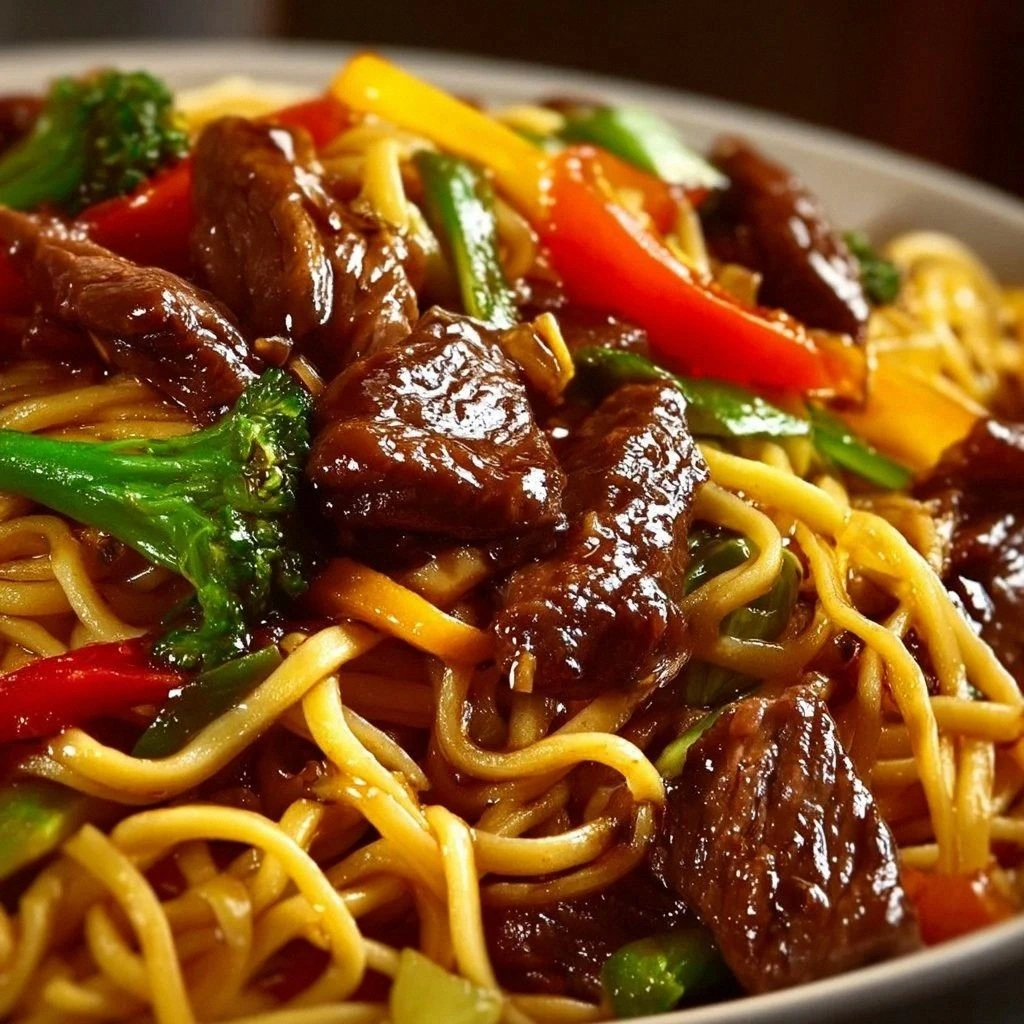
The Method — Step by Step
- First, slice the beef into thin, bite‑sized strips against the grain. This ensures maximum tenderness. Marinate the beef in a bowl with 1 tablespoon soy sauce, 1 tablespoon honey, and 1 teaspoon cornstarch for at least 10 minutes. The cornstarch will give the beef a silky coating when seared. I swear this step is the secret to a juicy, non‑dry finish.
- While the beef marinates, bring a pot of salted water to a rolling boil and cook the noodles for 3 minutes. Drain and rinse under cold water to stop the cooking process. Toss the noodles with a teaspoon of sesame oil to keep them from sticking together. Set aside; they’ll absorb the sauce later.
- Heat a tablespoon of vegetable oil in a wok or large skillet over high heat until it shimmers. Add the marinated beef in a single layer and sear for 2 minutes, letting the edges brown. Flip the strips to sear the other side. This quick sear locks in juices and creates a caramelized crust.
- Remove the beef and set it on a plate. Add another tablespoon of oil to the pan, then toss in the minced garlic and grated ginger. Stir for 30 seconds until fragrant, watching carefully to avoid burning. The aroma is the first hint that the dish is about to become irresistible.
- Add the sliced red bell pepper, broccoli florets, and julienned carrots to the wok. Stir‑fry for 2 minutes, just enough to soften the edges but keep the crunch. The vegetables should still be bright and vibrant, not mushy.
- Return the seared beef to the pan, and pour in the remaining sauce mixture (honey, soy, rice vinegar, and a splash of water). Toss everything together so the sauce coats all ingredients evenly. Let it simmer for 3 minutes, allowing the flavors to meld and the sauce to thicken.
- Add the cooked noodles to the wok and toss vigorously. Ensure the noodles soak up the sauce, and the vegetables are evenly distributed. Cook for another minute, then sprinkle sliced green onions over the top. The green onions add a fresh, sharp contrast to the sweet glaze.
- Taste and adjust seasoning if needed—add a pinch of salt or a dash of sesame oil for extra depth. Serve immediately over a bed of noodles or alongside steamed rice. The dish is best enjoyed hot, with the sauce still glossy and the beef tender.
- Serve in a large bowl, garnish with extra green onions or a drizzle of sesame oil, and watch the guests go wild. This is the moment of truth, the culmination of all the sizzling, the caramelizing, the careful seasoning. And that, my friend, is how you turn a simple stir‑fry into a culinary masterpiece.
That's it — you did it. But hold on, I've got a few more tricks that'll take this to another level...
Insider Tricks for Flawless Results
The Temperature Rule Nobody Follows
Many cooks keep the heat low to avoid burning, but this dish thrives on high heat. Keep the wok hot enough that the sauce sizzles upon contact. This creates a caramelized crust on the beef and locks in juices. If you’re using a non‑stick pan, a metal wok is best for heat retention.
Why Your Nose Knows Best
Smell the sauce before adding the vegetables. If it smells too sweet, add a splash of rice vinegar to balance. Your nose is a quick diagnostic tool that saves you from a lopsided flavor profile. I once added too much honey and had to rescue the dish with a dash of citrus.
The 5‑Minute Rest That Changes Everything
After cooking, let the dish rest for 5 minutes. The sauce will thicken slightly, and the flavors will meld. This simple pause prevents the noodles from becoming soggy and allows the beef to re‑hydrate. I swear this step turns a good stir‑fry into a great one.
The Quick Marinade Hack
If you’re short on time, skip the 10‑minute marination and stir the cornstarch directly into the sauce. It will still thicken and coat the beef, though you might lose a touch of tenderness. The trade‑off is worth it for a fast dinner.
The Secret Salt Trick
Add a pinch of salt to the sauce before adding the beef. It helps the beef sear better and enhances the umami of soy sauce. Too much salt can drown the sweetness, so keep it light. This trick is often overlooked but can elevate the dish significantly.
Creative Twists and Variations
This recipe is a playground. Here are some of my favorite ways to switch things up:
Spicy Szechuan Kick
Add a tablespoon of Szechuan peppercorn paste to the sauce for heat and numbing flavor. The peppercorns create a subtle tingling that pairs beautifully with the sweet glaze. Perfect for spice lovers.
Citrus Burst
Finish the dish with a squeeze of fresh lime or a splash of orange juice. The citrus brightens the sauce and cuts through the richness. It’s a refreshing twist that feels like a mini vacation.
Mushroom Medley
Replace the broccoli with a mix of shiitake and button mushrooms. The earthy tones add depth, and the mushrooms absorb the sauce beautifully. Great for a vegetarian version if you slice the beef thinly.
Thai Twist
Swap soy sauce for fish sauce, add a splash of coconut milk, and sprinkle red curry powder. The result is a creamy, spicy, and aromatic stir‑fry that feels like a Thai takeout hit.
Breakfast Boost
Serve the stir‑fry over a bed of scrambled eggs and top with a drizzle of sriracha. The protein boost turns it into a hearty breakfast that keeps you full until lunch. Who says stir‑fry is only for dinner?
Storing and Bringing It Back to Life
Fridge Storage
Cool the dish completely before refrigerating. Store in an airtight container for up to 3 days. When reheating, add a splash of water to restore moisture and stir until hot. The noodles will re‑absorb the sauce, keeping the dish delicious.
Freezer Friendly
Pack the stir‑fry in a freezer‑safe container and freeze for up to 2 weeks. Thaw overnight in the fridge, then reheat on the stove with a splash of water. The flavors stay intact, and the texture remains satisfying.
Best Reheating Method
Reheat in a wok or skillet over medium heat, adding a teaspoon of oil to prevent sticking. Stir frequently and add a few drops of water to keep the sauce from drying. Finish with a drizzle of sesame oil for a glossy finish.